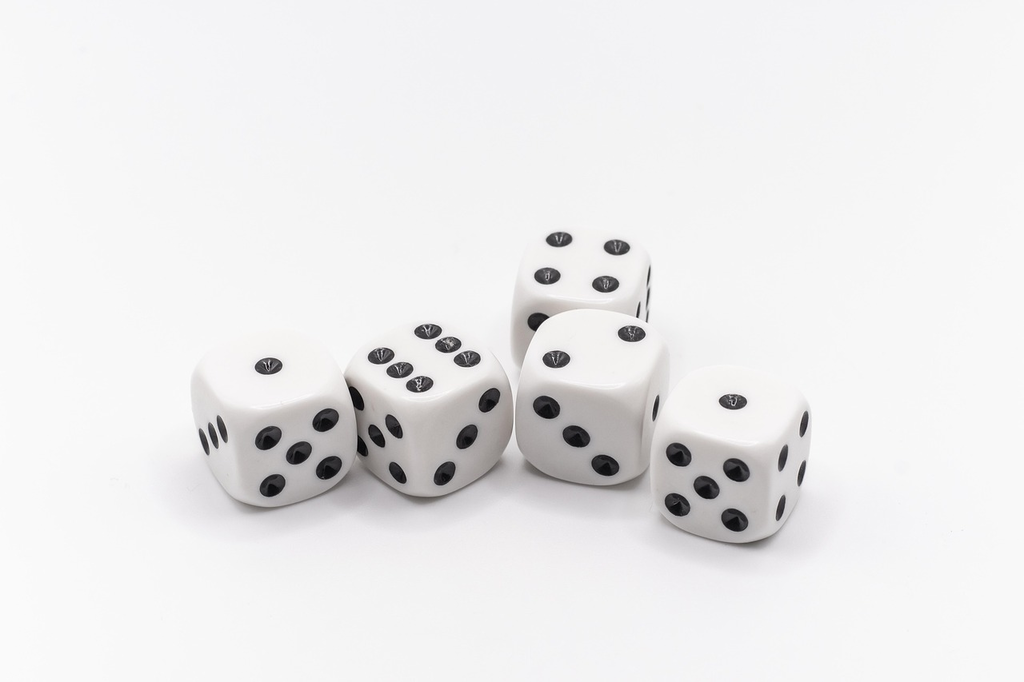
"Legendary Riddles (Silly But Tricky Questions)" refers to a collection of fun, puzzling questions that blend humor with clever wordplay. These riddles often appear simple or nonsensical at first, but they challenge the solver’s wit and lateral thinking. Their 'legendary' status comes from their popularity and the enjoyment they provide, making them classic brain teasers that entertain while also stimulating creative problem-solving skills.
Legendary Riddles
"Legendary Riddles (Silly But Tricky Questions)" refers to a collection of fun, puzzling questions that blend humor with clever wordplay. These riddles often appear simple or nonsensical at first, but they challenge the solver’s wit and lateral thinking. Their 'legendary' status comes from their popularity and the enjoyment they provide, making them classic brain teasers that entertain while also stimulating creative problem-solving skills.

💡 Key Takeaways
- Practice solving riddles that look simple but require careful thinking
- Use wordplay and lateral thinking to interpret tricky clues
- Recognize common riddle patterns and how answers are often “hidden” in phrasing
- Build confidence by learning strategies for tackling silly, nonsensical questions
❓ Frequently Asked Questions
What are “Legendary Riddles (Silly But Tricky Questions)”?
They’re lighthearted riddles that use humor and wordplay to trick you into thinking in a simple—but incorrect—way.
Why do these riddles feel easy at first?
They often start with familiar wording or everyday scenarios, then twist meaning with double meanings or unexpected interpretations.
What’s the best strategy for solving these riddles?
Read carefully for hidden clues, consider multiple meanings of words, and look for patterns that point to lateral or non-literal answers.
Do the answers rely on literal facts or on wordplay?
Usually on wordplay. Many answers depend on how words sound, can be interpreted, or relate to each other in a clever way.
If I’m stuck, how can I narrow down the answer?
Try identifying the “key” word in the riddle, think of synonyms or alternate meanings, and test whether the answer fits all parts—not just the first line.