Lens choices and depth of field are closely related in photography. The type of lens—wide-angle, standard, or telephoto—affects how much of an image appears sharp or blurred. Wide-angle lenses tend to produce a larger depth of field, keeping more of the scene in focus, while telephoto lenses create a shallow depth of field, isolating subjects from the background and foreground for dramatic effect.
Lens Choices & Depth of Field
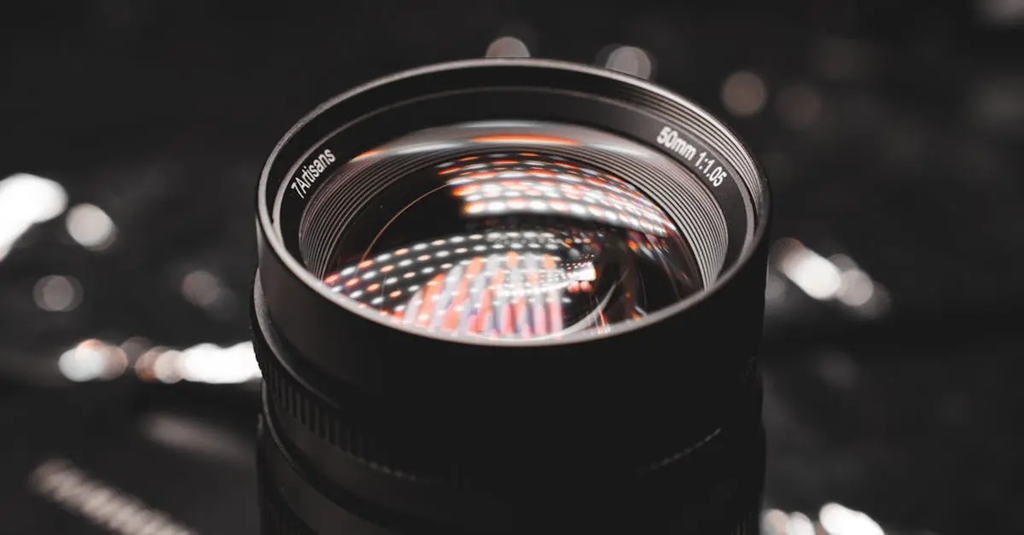
Lens choices and depth of field are closely related in photography. The type of lens—wide-angle, standard, or telephoto—affects how much of an image appears sharp or blurred. Wide-angle lenses tend to produce a larger depth of field, keeping more of the scene in focus, while telephoto lenses create a shallow depth of field, isolating subjects from the background and foreground for dramatic effect.
💡 Key Takeaways
- Understand how lens type—wide-angle, standard, or telephoto—affects depth of field and what stays sharp in the frame.
- Compare wide-angle and telephoto lenses: wide angles boost depth of field while telephotos create more background blur and a compressed perspective.
- Learn how aperture and subject distance interact with focal length to control depth of field in practice.
- Explain how depth of field choices support storytelling and visual emphasis in movies and photography.
❓ Frequently Asked Questions
What is depth of field (DOF)?
Depth of field is the range of distances in a scene that appear acceptably sharp. It depends on aperture, focal length, distance to the subject, and sensor size.
How do lens choices affect depth of field?
Wide-angle lenses (short focal length) typically provide a larger DOF, keeping more of the scene in focus. Telephoto lenses (long focal length) tend to produce a shallower DOF and more background blur when framing is similar.
How can you control depth of field when shooting a scene?
Adjust the aperture (smaller f-number for shallower DOF, larger f-number for deeper DOF). Change distance to the subject or switch focal lengths. Sensor size also influences DOF.
Why would a filmmaker choose telephoto versus wide-angle for a scene?
Telephoto lenses isolate a subject with background blur, good for portraits or emphasizing a subject. Wide-angle lenses capture more of the environment and can create a sense of space with deeper focus.