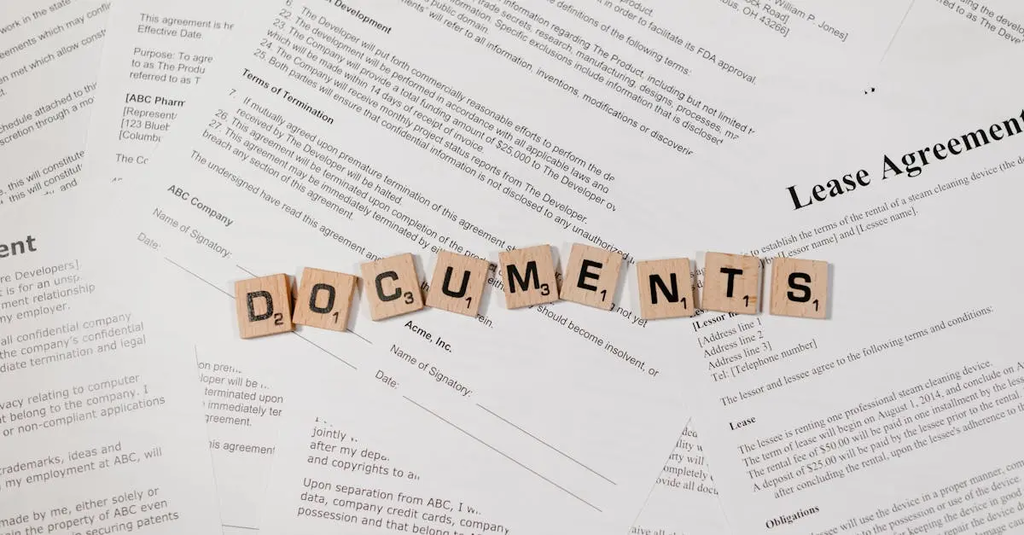
Licensing, copyright, and IP basics refer to the foundational concepts governing the protection and use of creative works and inventions. Copyright grants creators exclusive rights to their original works, such as books, music, or software. Intellectual property (IP) encompasses various legal rights, including patents, trademarks, and copyrights. Licensing is the process by which the owner of IP permits others to use their work under agreed conditions, ensuring both protection and lawful usage.
Licensing, Copyright, and IP Basics
Licensing, copyright, and IP basics refer to the foundational concepts governing the protection and use of creative works and inventions. Copyright grants creators exclusive rights to their original works, such as books, music, or software. Intellectual property (IP) encompasses various legal rights, including patents, trademarks, and copyrights. Licensing is the process by which the owner of IP permits others to use their work under agreed conditions, ensuring both protection and lawful usage.
💡 Key Takeaways
- Distinguish between licensing, copyright, and IP and why they matter for creative work.
- Understand the rights copyright grants to creators (reproduction, distribution, adaptation, public display) and what counts as infringement.
- Identify the main IP types relevant to creatives (copyright, trademarks, patents, and trade secrets) and when they apply.
- Grasp the basics of licensing: obtaining permissions, defining allowed uses, and typical fees or royalties.
❓ Frequently Asked Questions
What is copyright?
Copyright protects original works fixed in a tangible form and gives creators exclusive rights to reproduce, distribute, perform, display, and create derivative works. It does not protect ideas, facts, or methods.
What is licensing in creative professions?
Licensing is permission from the rights holder to use a work under defined terms, including scope, duration, territory, and any fees. Licenses can be exclusive or non-exclusive and apply to books, music, software, art, and more.
What does intellectual property (IP) include?
Intellectual property covers legal rights that protect creations and inventions, including copyrights, patents, trademarks, and trade secrets.
How can you legally use someone else\'s work?
Check for permission or a licensed agreement, look for works in the public domain or under Creative Commons, and follow the license terms. If allowed, you may rely on fair use, and always attribute when required.