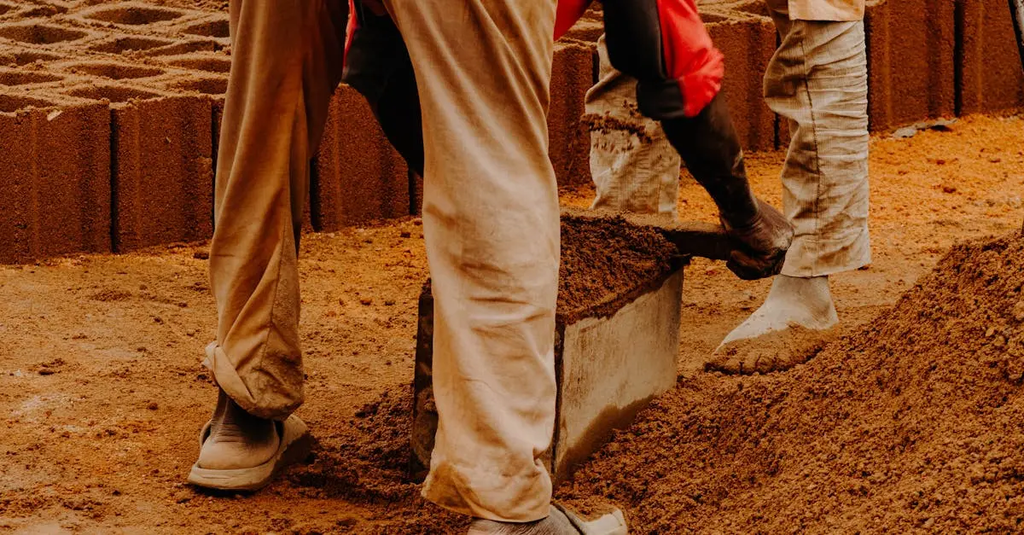
Life Cycle Assessment (LCA) in construction evaluates the environmental impacts of building materials and processes from raw material extraction to demolition. It considers resource use, energy consumption, emissions, and waste throughout a structure’s lifespan. By analyzing these factors, LCA helps identify opportunities to reduce negative environmental effects, improve sustainability, and guide decision-making in design, material selection, and construction practices, ultimately promoting a more environmentally responsible construction environment.
Life Cycle Assessment in Construction
Life Cycle Assessment (LCA) in construction evaluates the environmental impacts of building materials and processes from raw material extraction to demolition. It considers resource use, energy consumption, emissions, and waste throughout a structure’s lifespan. By analyzing these factors, LCA helps identify opportunities to reduce negative environmental effects, improve sustainability, and guide decision-making in design, material selection, and construction practices, ultimately promoting a more environmentally responsible construction environment.
💡 Key Takeaways
- Understand the purpose and scope of Life Cycle Assessment (LCA) in construction.
- Identify the main stages of an LCA (goal and scope, inventory analysis, impact assessment, interpretation) and how they apply to buildings.
- Recognize key environmental impact categories in construction (embodied carbon, energy use, water, material depletion) and why they matter.
- Learn how LCA results inform design decisions, material selection, and project strategies to reduce embodied carbon.
❓ Frequently Asked Questions
What is Life Cycle Assessment in construction?
A method to evaluate environmental effects of a building or component across its life cycle, from material extraction to end-of-life, often using a functional unit for comparison.
What are the four main phases of LCA?
Goal and scope definition; Life Cycle Inventory (inputs/outputs); Life Cycle Impact Assessment (translate inventory to impacts); and Interpretation (draw conclusions and suggest improvements).
What is a functional unit and why is it important in LCA?
A quantified unit of function used to compare options (e.g., per m2 of floor area over 50 years); ensures like-for-like comparisons.
What does system boundary mean, and what are cradle-to-grave vs cradle-to-cradle approaches?
System boundary defines which lifecycle stages are included; cradle-to-grave covers from resource extraction to disposal; cradle-to-cradle includes recycling/reuse loops to close the material cycle.
Which environmental impact categories and methods are commonly used in construction LCAs?
Common categories include global warming potential, energy use, water use, resource depletion, acidification, eutrophication, and toxicity. LCIA methods like CML, ReCiPe, and TRACI calculate them.