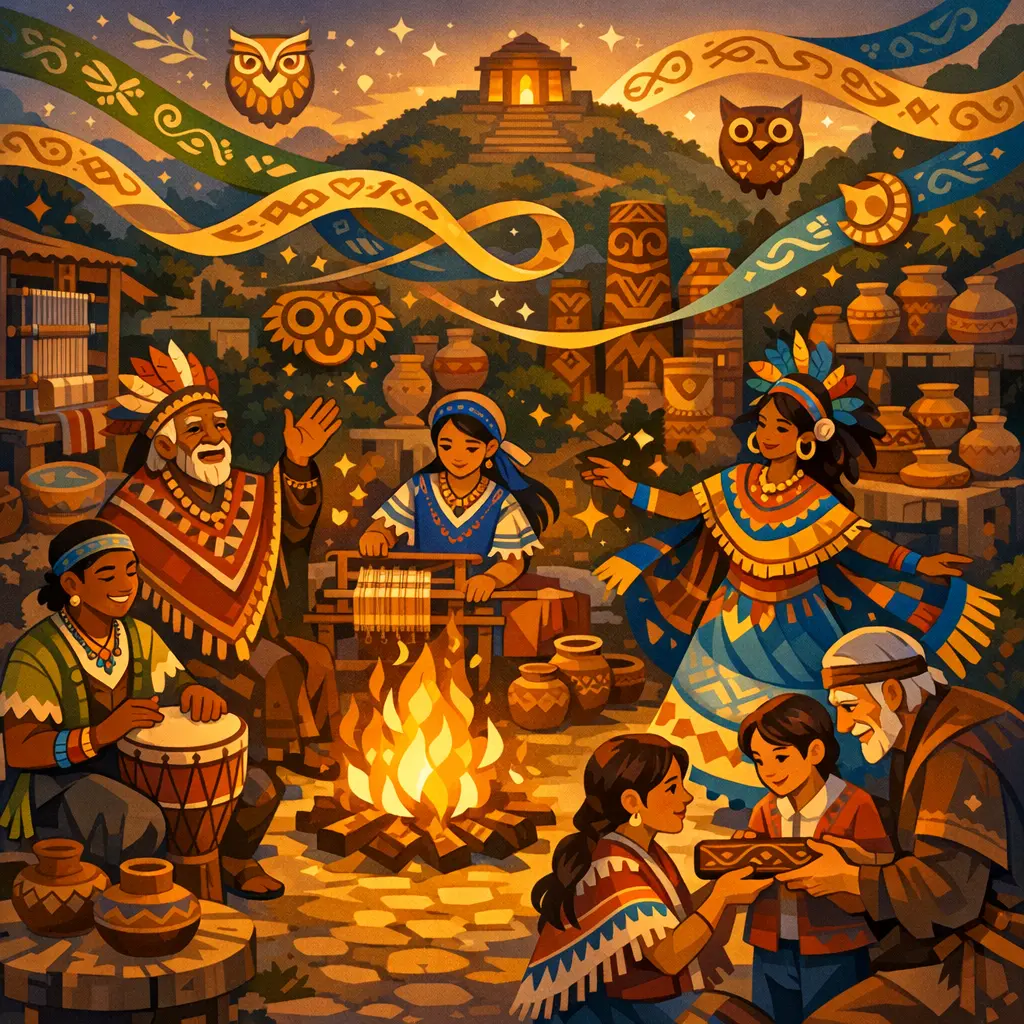
Life-cycle rites—birth, marriage, and death—are significant rituals marking key transitions in an individual’s life. These ceremonies, deeply rooted in culture, religion, and society, serve to integrate individuals into their communities, affirm social bonds, and express shared values. Birth rites welcome new members, marriage unites families, and death rituals honor the deceased and support the grieving. Collectively, these rites reinforce cultural identity and continuity across generations.
Life-cycle Rites: Birth, Marriage, Death
Life-cycle rites—birth, marriage, and death—are significant rituals marking key transitions in an individual’s life. These ceremonies, deeply rooted in culture, religion, and society, serve to integrate individuals into their communities, affirm social bonds, and express shared values. Birth rites welcome new members, marriage unites families, and death rituals honor the deceased and support the grieving. Collectively, these rites reinforce cultural identity and continuity across generations.
💡 Key Takeaways
- Understand how birth, marriage, and death rites mark key life transitions in many cultures.
- Identify common elements and symbols used in these rites (ceremonies, vows, naming, mourning).
- Explore how rites reinforce family bonds, community belonging, and social roles.
- Analyze how traditional life-cycle rituals adapt in contemporary, modern societies.
❓ Frequently Asked Questions
What are life-cycle rites and what do they mark?
They are ceremonial practices that mark key transitions in a person’s life—birth, marriage, and death—helping individuals and communities acknowledge change, convey values, and provide support.
What are common purposes of birth rites?
To welcome a newborn, name or bless the child, introduce them to the community, and support the family as they begin parenthood; these rites vary but share inclusion and protection.
What are common elements in marriage rites?
Public commitment or vows, exchange of symbols (such as rings), blessings or rituals, and legal registration; rites symbolize unity and the formation of a family.
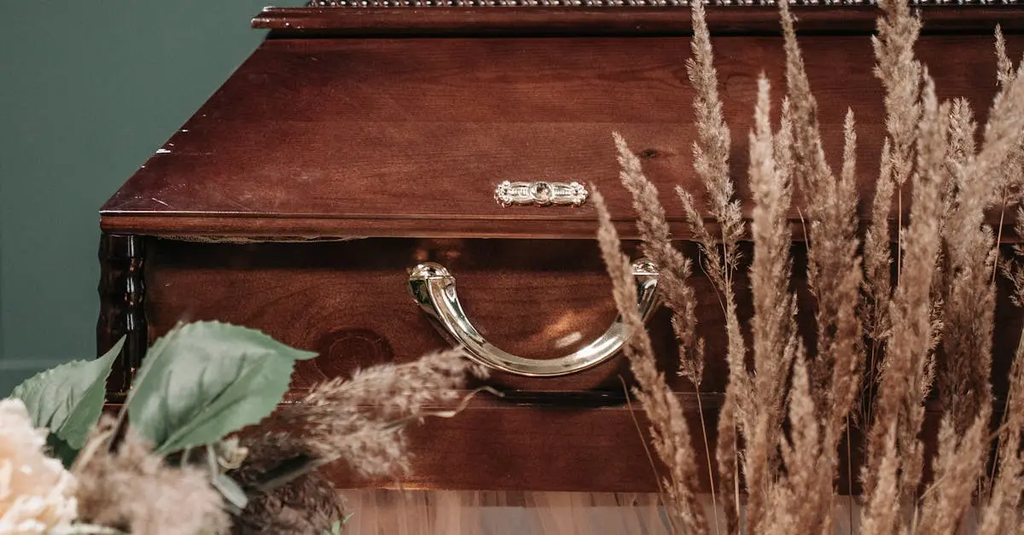
What are common elements in death rites?
Funeral or memorial ceremonies, mourning practices, handling of the body (burial or cremation), and community support to honor the deceased and help the living grieve.