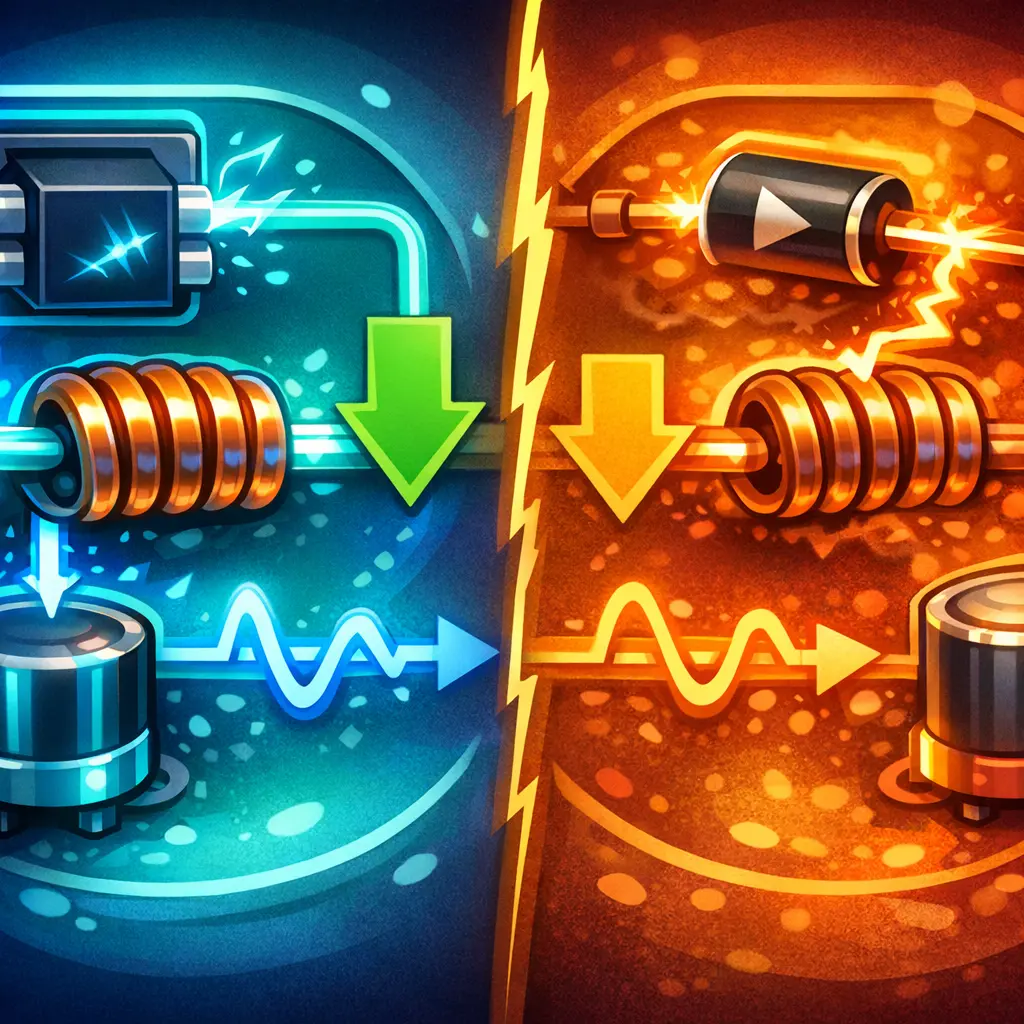
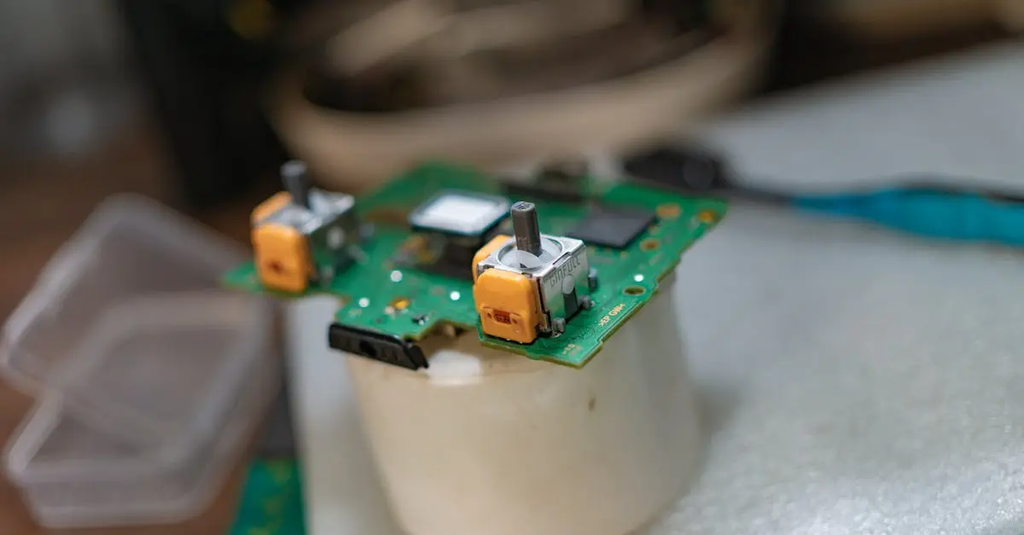
Lifecycle management and obsolescence planning in electronics devices and components involve systematically overseeing a product’s entire lifespan—from design and production to end-of-life. This process ensures reliable supply, timely upgrades, and cost-effective maintenance. Obsolescence planning anticipates when components will become outdated or unavailable, enabling proactive sourcing, redesign, or alternative solutions. Together, these strategies minimize supply chain disruptions, reduce risks, and optimize product performance and longevity.
Lifecycle management and obsolescence planning
Lifecycle management and obsolescence planning in electronics devices and components involve systematically overseeing a product’s entire lifespan—from design and production to end-of-life. This process ensures reliable supply, timely upgrades, and cost-effective maintenance. Obsolescence planning anticipates when components will become outdated or unavailable, enabling proactive sourcing, redesign, or alternative solutions. Together, these strategies minimize supply chain disruptions, reduce risks, and optimize product performance and longevity.
💡 Key Takeaways
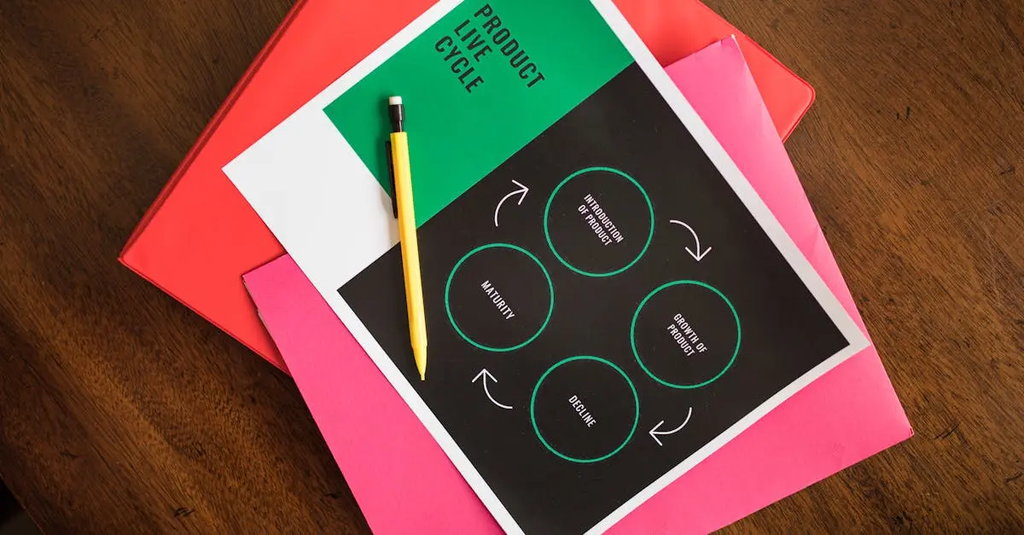
- Define the stages of a product lifecycle and why each stage matters for planning.
- Explain obsolescence planning and how to forecast parts, secure suppliers, and design for easy migration.
- Identify end-of-life triggers and create a practical transition plan to minimize disruption.
- Understand governance, risk, and communication requirements during lifecycle and obsolescence events.
❓ Frequently Asked Questions
What is lifecycle management?
The process of managing an asset from acquisition to disposal, including planning, maintenance, upgrades, and retirement, to maximize value and minimize risk.
What is obsolescence planning?
A proactive approach to anticipate when components or technologies will become obsolete and to prepare replacements, redesigns, or supplier options before failures occur.
Why is obsolescence planning important?
It helps prevent downtime, avoids unexpected costs, and keeps projects on schedule by addressing obsolescence before it happens.
What are common strategies in lifecycle and obsolescence planning?
Maintain an up-to-date asset inventory, monitor supplier roadmaps, design for upgradeability, create redundancy or spare parts, and budget for end-of-life replacements.