The lifecycle of plastics involves extraction of raw materials, production, usage, and disposal, often resulting in long-lasting environmental pollution due to their resistance to degradation. Alternatives like bioplastics, compostable materials, and reusable products aim to reduce this impact by offering more sustainable production processes and quicker decomposition. Transitioning to these alternatives helps minimize plastic waste, conserves resources, and promotes a circular economy, addressing both environmental and health concerns associated with traditional plastics.
Lifecycle of Plastics and Alternatives
The lifecycle of plastics involves extraction of raw materials, production, usage, and disposal, often resulting in long-lasting environmental pollution due to their resistance to degradation. Alternatives like bioplastics, compostable materials, and reusable products aim to reduce this impact by offering more sustainable production processes and quicker decomposition. Transitioning to these alternatives helps minimize plastic waste, conserves resources, and promotes a circular economy, addressing both environmental and health concerns associated with traditional plastics.
💡 Key Takeaways
- Understand the main stages of a plastic’s lifecycle: extraction, production, use, and disposal.
- Learn why plastics persist in the environment and the pollution they cause.
- Explore alternatives such as bioplastics, compostables, and reusable products, including their benefits and limitations.
- Identify actions to reduce plastic waste, like reusing items and improving recycling and disposal practices.
- Grasp the concept of a circular economy and design for recyclability to minimize environmental impact.
❓ Frequently Asked Questions
What are the main stages of a plastic's lifecycle?
Extraction of raw materials (often fossil fuels), production and polymerization, use in products, and end-of-life options like recycling, incineration, landfilling, or littering.
Why are plastics so persistent in the environment?
Many plastics are chemically stable and resist natural degradation, so they break down slowly and can fragment into microplastics that persist for years or decades.
What are common alternatives to conventional plastics?
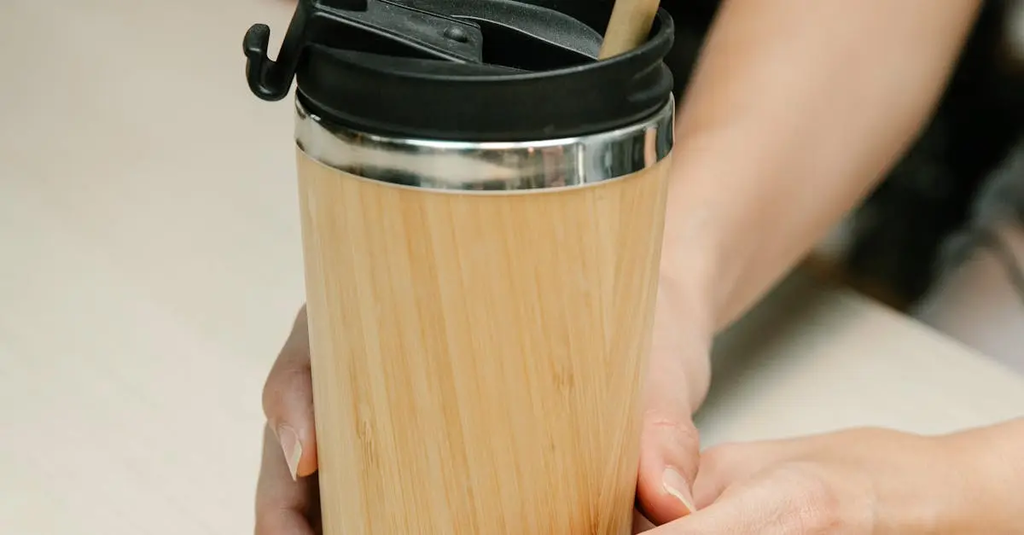
Bioplastics from renewable feedstocks, compostable materials designed for industrial or home composting, and reusable products that reduce overall plastic demand.
How can lifecycle thinking help reduce plastic pollution?
By considering each stage (production, use, and end-of-life) to minimize resource use, improve recycling and reuse, and choose sustainable alternatives when possible.