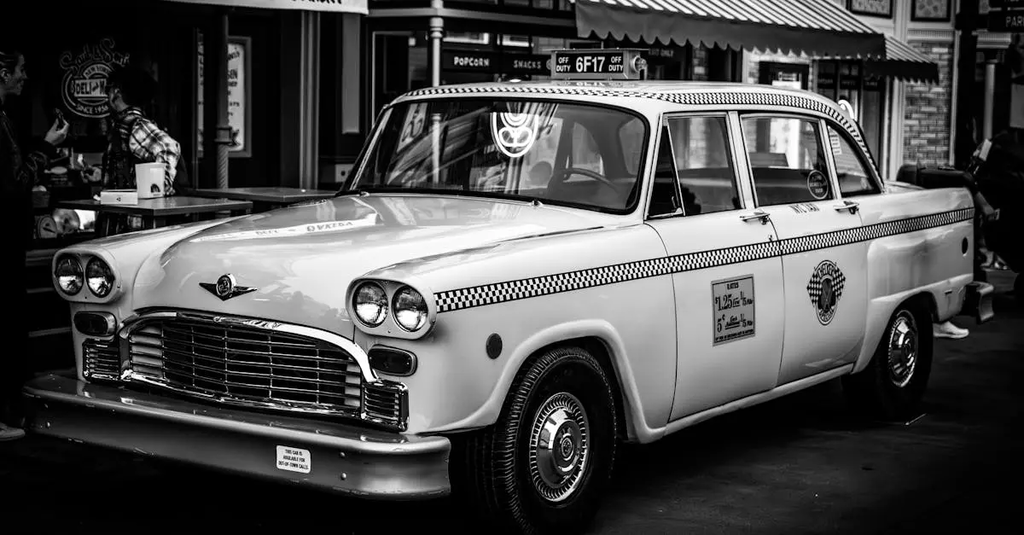
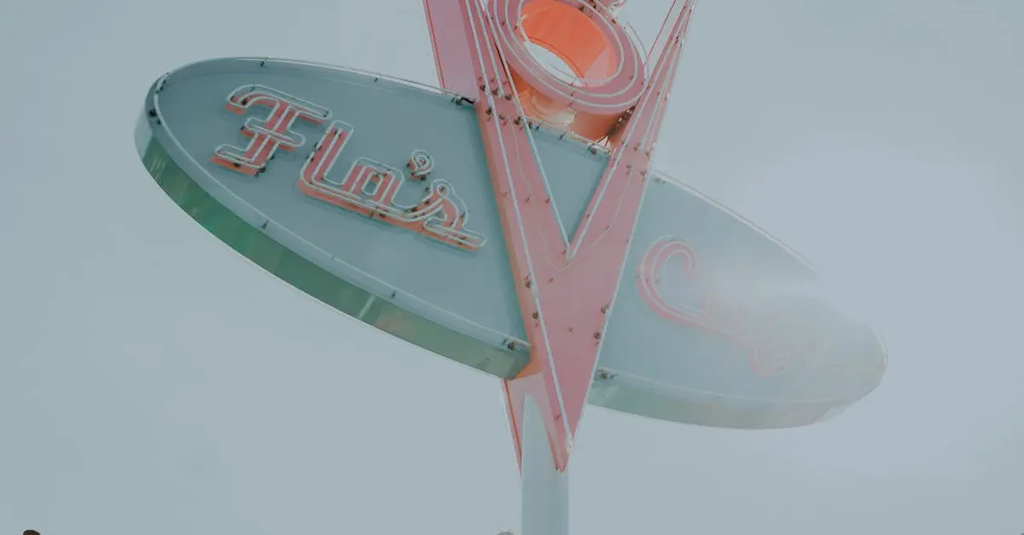
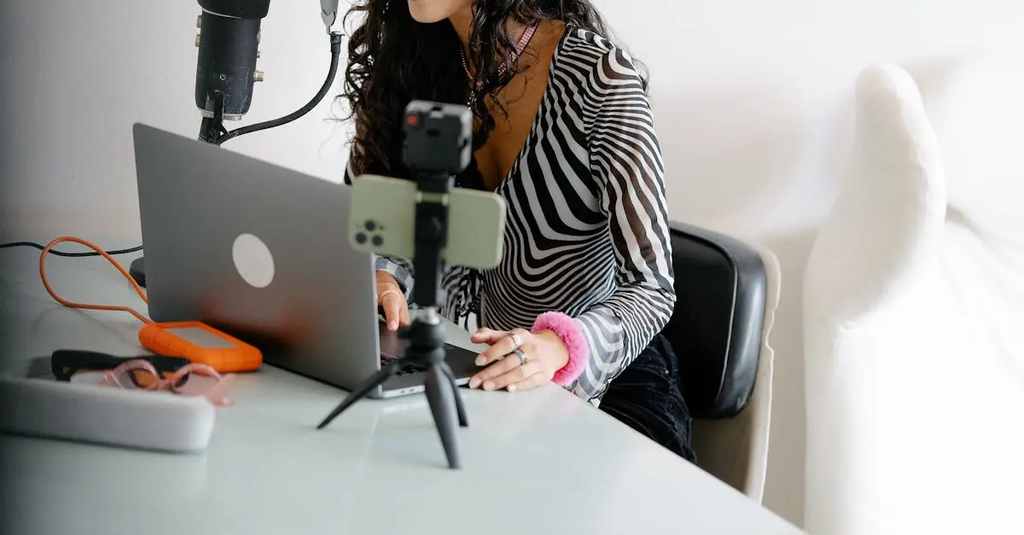
Lighting styles refer to the use of light in visual media to create mood and atmosphere. High-key lighting is bright, evenly lit, and minimizes shadows, often used to convey a cheerful, open, or clean feeling. Low-key lighting, on the other hand, uses strong contrasts, deep shadows, and minimal fill light, resulting in a dramatic, moody, or mysterious effect. These styles help set the emotional tone in photography and film.
Lighting Styles (High-Key, Low-Key)
Lighting styles refer to the use of light in visual media to create mood and atmosphere. High-key lighting is bright, evenly lit, and minimizes shadows, often used to convey a cheerful, open, or clean feeling. Low-key lighting, on the other hand, uses strong contrasts, deep shadows, and minimal fill light, resulting in a dramatic, moody, or mysterious effect. These styles help set the emotional tone in photography and film.
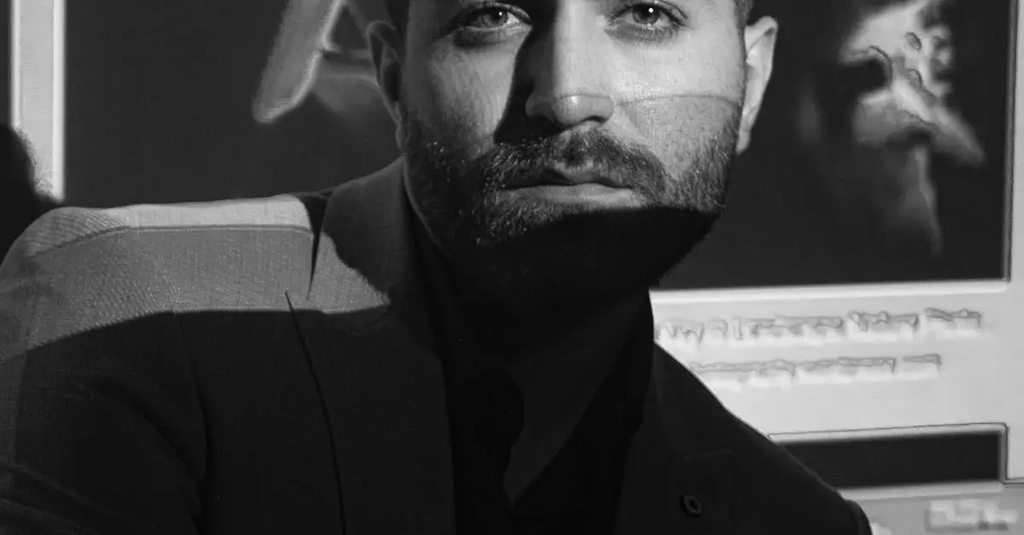
💡 Key Takeaways
- Distinguish high-key and low-key lighting and how each sets mood and tone.
- Identify the main lighting setup elements (key light, fill light, backlight) and how their balance controls brightness and shadows.
- See how lighting choices align with genres (high-key for bright, friendly scenes; low-key for tense, mysterious moments).
- Understand how lighting direction, contrast, and color temperature shape depth, texture, and character perception.
❓ Frequently Asked Questions
What is high-key lighting?
High-key lighting is bright and evenly lit with minimal shadows, using a lot of fill light to reduce contrast, creating a cheerful, open look.
What is low-key lighting?
Low-key lighting uses strong contrasts and deep shadows with little fill light, producing a moody, dramatic, or suspenseful atmosphere.
How do high-key and low-key lighting affect mood and storytelling?
High-key lighting conveys clarity and positivity, while low-key lighting adds tension and mystery; the choice shapes how the audience feels about a scene.
What are the main technical differences between high-key and low-key lighting?
High-key relies on bright overall illumination and ample fill to minimize shadows; low-key uses a strong, directional key light with little fill, creating pronounced shadows and high contrast.