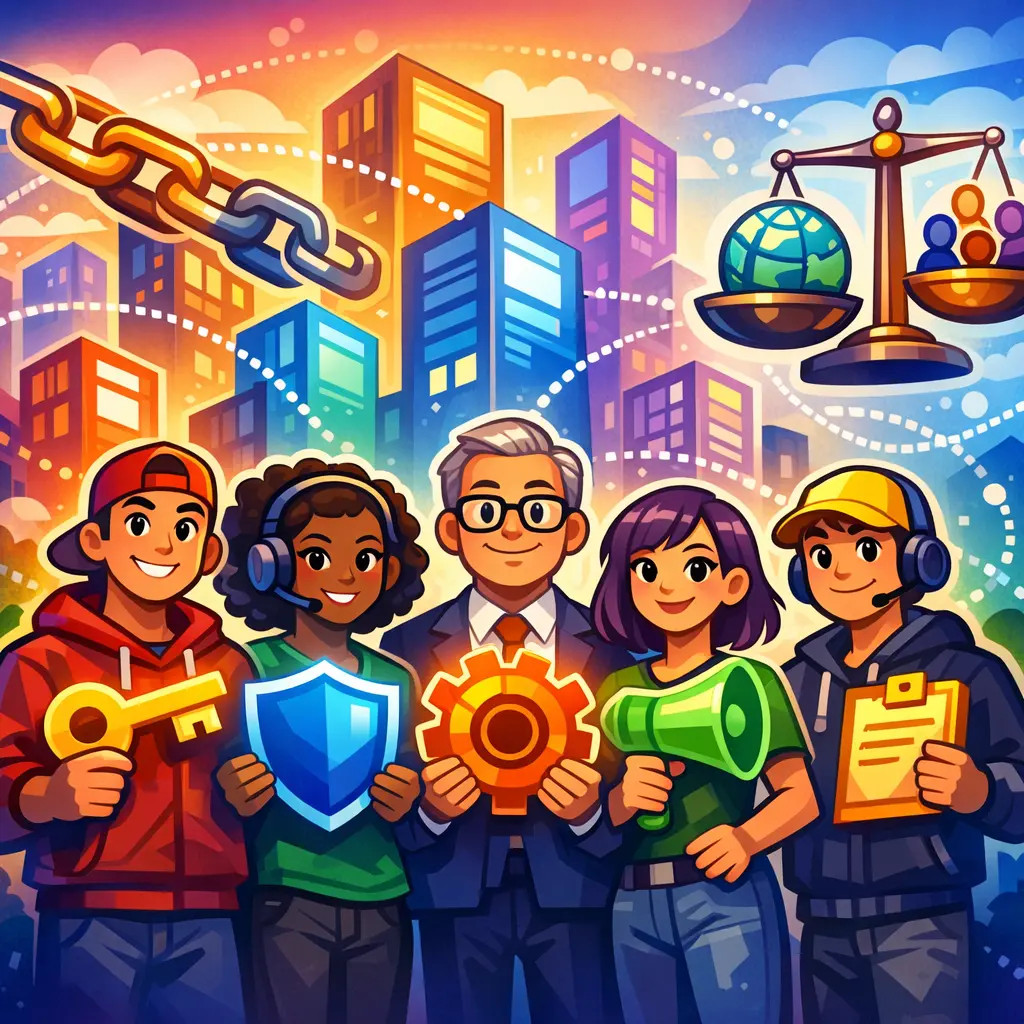
This phrase explores the interconnectedness of literacy, social mobility, and debates on meritocracy within cultural, religious, and societal contexts. It examines how access to education and literacy can influence an individual's ability to move up the social ladder, while also questioning whether merit-based systems are truly fair or are shaped by underlying cultural and religious values. These debates highlight persistent inequalities and challenge assumptions about opportunity and achievement in society.
Literacy, Social Mobility & Meritocracy Debates
This phrase explores the interconnectedness of literacy, social mobility, and debates on meritocracy within cultural, religious, and societal contexts. It examines how access to education and literacy can influence an individual's ability to move up the social ladder, while also questioning whether merit-based systems are truly fair or are shaped by underlying cultural and religious values. These debates highlight persistent inequalities and challenge assumptions about opportunity and achievement in society.
💡 Key Takeaways
- Explore how literacy acts as a gatekeeper for social mobility within various cultural and religious contexts.
- Examine meritocracy debates: who benefits, who is left behind, and why results differ from ideals.
- Understand how access to education and literacy—schools, communities, policies—shape opportunities to climb the social ladder.
- Analyze how cultural norms and religious beliefs intersect with education, shaping perceptions of merit and fairness.
❓ Frequently Asked Questions
How does literacy influence social mobility?
Literacy enables access to education, information, and better job opportunities, which can help people move up the social ladder. Barriers like cost, location, and discrimination can limit this link.
What is meritocracy, and what are common criticisms in this context?
Meritocracy is the idea that success comes from individual talent and effort. Criticisms include unequal starting points, biased assessments, and the influence of social networks that can reproduce inequality despite effort.
How do culture and religion affect literacy and mobility?
Cultural and religious norms shape attitudes toward education, schooling choices, and gender roles, which can either expand or constrain access to literacy and subsequent mobility.
What policies can promote fair literacy-related mobility?
Invest in early childhood and lifelong learning, make education affordable and inclusive, support adult literacy programs, and ensure equitable curricula and assessment practices.