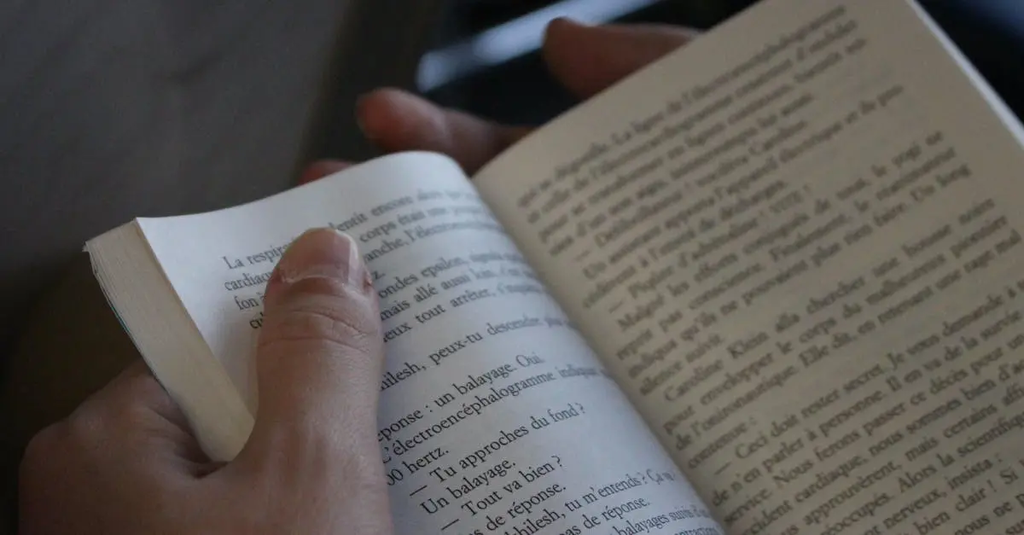
The phrase refers to essential techniques in literary studies. "Literary devices" are tools authors use to convey meaning and enhance their writing. "Close reading" is a careful, detailed analysis of a text to uncover deeper layers of meaning. "Source analysis" involves critically examining texts or references for reliability and context. "Evidence" means supporting interpretations or arguments with direct quotations or examples from the text. Together, these skills foster strong, insightful literary analysis.
Literary Devices: Close Reading, Source Analysis & Evidence
The phrase refers to essential techniques in literary studies. "Literary devices" are tools authors use to convey meaning and enhance their writing. "Close reading" is a careful, detailed analysis of a text to uncover deeper layers of meaning. "Source analysis" involves critically examining texts or references for reliability and context. "Evidence" means supporting interpretations or arguments with direct quotations or examples from the text. Together, these skills foster strong, insightful literary analysis.
💡 Key Takeaways
- Identify and explain common literary devices (e.g., metaphor, imagery, symbolism) and how they convey meaning.
- Apply close reading techniques to analyze diction, syntax, imagery, and structure to uncover themes and tone.
- Critically analyze sources and context, evaluating author intent, perspective, and reliability of evidence in literary texts.
- Use textual evidence effectively by quoting or paraphrasing with proper citation to support your analysis.
❓ Frequently Asked Questions
What are literary devices?
Literary devices are the tools authors use to convey meaning and shape readers' understanding, such as metaphor, imagery, symbolism, irony, and alliteration.
What is close reading?
Close reading is a careful, detailed examination of a text's language, form, and structure to uncover deeper meanings and themes.
What is source analysis?
Source analysis involves evaluating texts or sources for purpose, context, credibility, and bias to inform interpretation and distinguish primary from secondary material.
How should you use evidence in literary analysis?
Choose brief, relevant quotes or paraphrases that support your claim, then explain how the evidence demonstrates the point and relates to the broader argument.