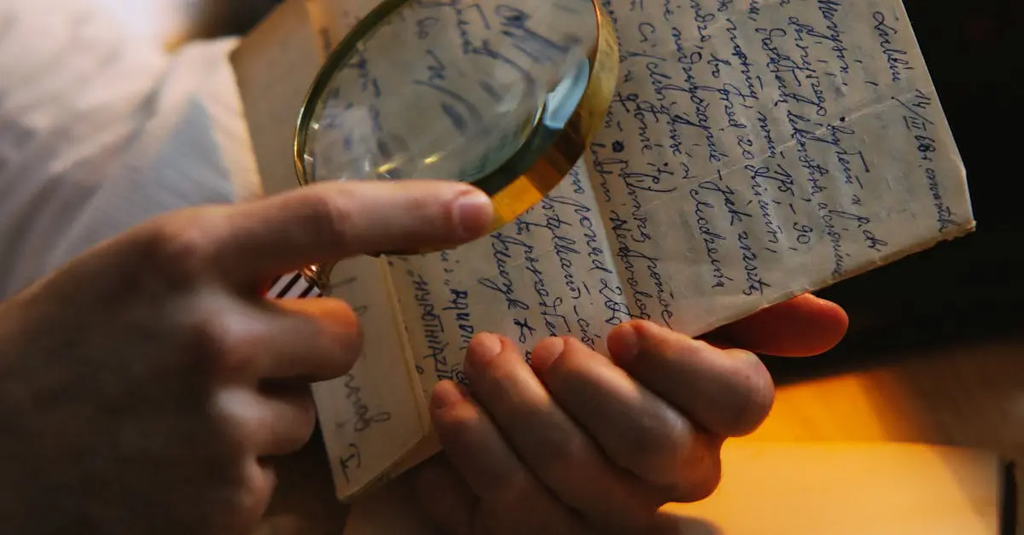
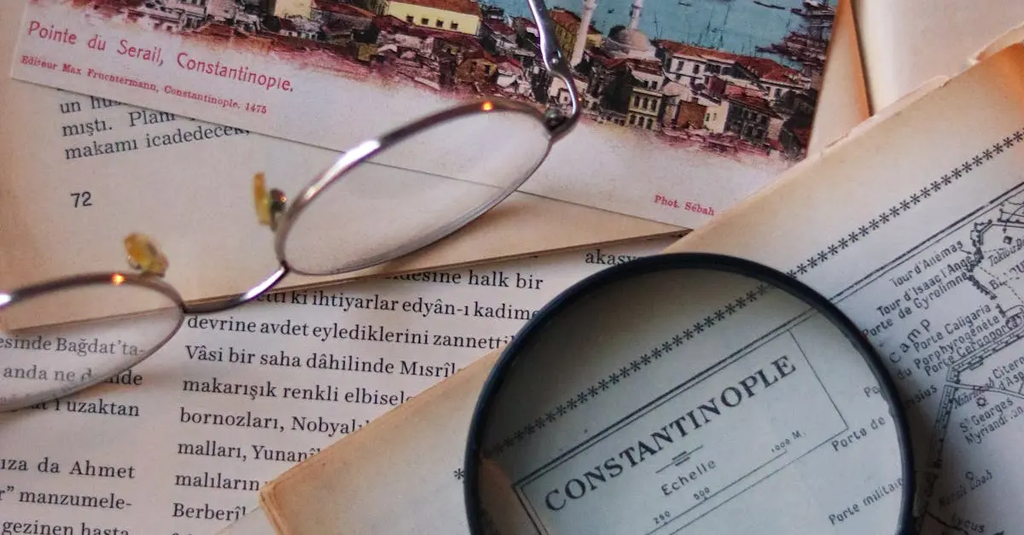
"Literature Around the World: Close Reading, Source Analysis & Evidence" refers to studying global literary works by examining them in detail (close reading), critically evaluating the origins and reliability of sources (source analysis), and supporting interpretations with concrete examples from the texts (evidence). This approach fosters deeper understanding of diverse cultures, themes, and perspectives, while developing analytical skills essential for interpreting and appreciating world literature.
Literature Around the World: Close Reading, Source Analysis & Evidence
"Literature Around the World: Close Reading, Source Analysis & Evidence" refers to studying global literary works by examining them in detail (close reading), critically evaluating the origins and reliability of sources (source analysis), and supporting interpretations with concrete examples from the texts (evidence). This approach fosters deeper understanding of diverse cultures, themes, and perspectives, while developing analytical skills essential for interpreting and appreciating world literature.

💡 Key Takeaways
- Practice close reading of global literary texts to identify themes, imagery, and authorial craft.
- Evaluate sources by examining origins, perspectives, and reliability in literary analysis.
- Support interpretations with concrete, text-based evidence and accurate quotations.
- Explore how cultural and historical contexts shape meaning across diverse works.
❓ Frequently Asked Questions
What is close reading?
Close reading is a careful, detailed analysis of a text's language, structure, imagery, and meaning, using evidence from the text itself to understand how the work works.
What is source analysis in literary studies?
Source analysis evaluates the origins and reliability of materials related to a work—author background, publication context, translations, and critiques—to assess bias, perspective, and relevance.
How do I evaluate the reliability of sources when studying world literature?
Check authorship, publication venue, date, cultural context, translation quality, potential biases, and look for corroboration across multiple credible sources.
How should I use evidence to support literary interpretations?
Include precise textual evidence (quotes or close paraphrases), explain how it supports your claim, and connect it to themes and devices without over-extending conclusions.
What should I keep in mind when analyzing literature from different cultures?
Be aware of cultural context and translation issues, recognize different literary traditions, and compare diverse perspectives to deepen understanding.