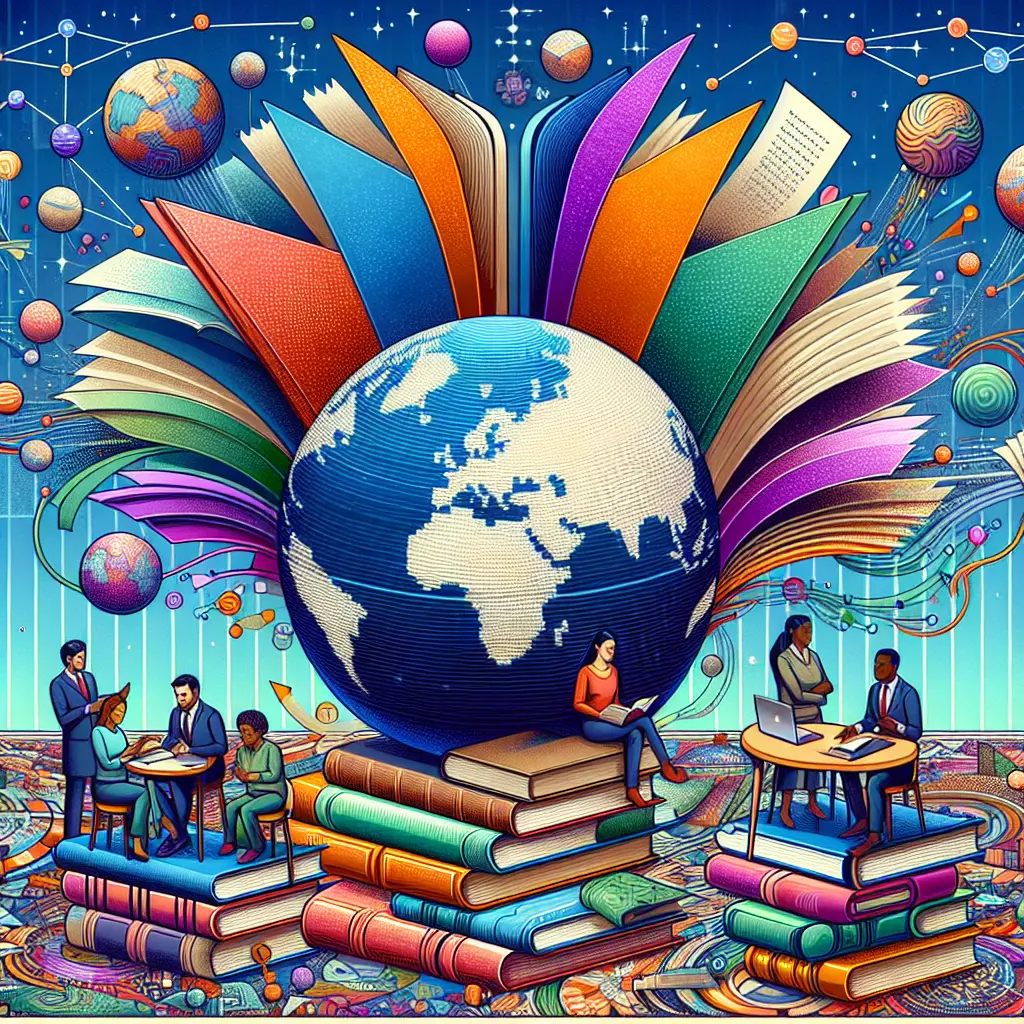
"Literature Around the World: Research Topics, Debates & Frontiers" refers to the global study of literary works, exploring diverse narratives, genres, and cultural perspectives. It encompasses key research areas such as postcolonialism, translation, identity, and globalization. The phrase highlights ongoing debates about canon formation, representation, and cultural exchange, while also pointing to new frontiers like digital literature and transnational studies that challenge traditional boundaries and foster cross-cultural understanding.
Literature Around the World: Research Topics, Debates & Frontiers
"Literature Around the World: Research Topics, Debates & Frontiers" refers to the global study of literary works, exploring diverse narratives, genres, and cultural perspectives. It encompasses key research areas such as postcolonialism, translation, identity, and globalization. The phrase highlights ongoing debates about canon formation, representation, and cultural exchange, while also pointing to new frontiers like digital literature and transnational studies that challenge traditional boundaries and foster cross-cultural understanding.
💡 Key Takeaways
- Describe how postcolonialism, translation, identity, and globalization shape literary analysis.
- Explain translation's role in cross-cultural meaning and interpretation of texts.
- Analyze how diverse narratives reveal cultural perspectives and power dynamics in literature.
- Discuss ongoing debates and frontiers in world literary studies, including regional literatures and interdisciplinary approaches.
❓ Frequently Asked Questions
What does 'Literature Around the World' mean in this quiz?
It refers to studying literary works from many countries and cultures, highlighting diverse narratives, genres, and perspectives beyond a single national tradition.
What is postcolonialism in literary analysis?
A framework that examines how colonial histories shape literature, voice, and power, emphasizing themes like hybridity, subaltern perspectives, and resistance.
Why is translation studied in world literature?
Translation expands access to works across languages, reveals cultural nuances, and raises questions about meaning, fidelity, and how texts travel across borders.
How do globalization and identity influence literary studies?
Globalization broadens readership and cross-cultural exchange, while identity studies explore how gender, race, nationality, and diaspora shape characters, authorship, and reception.