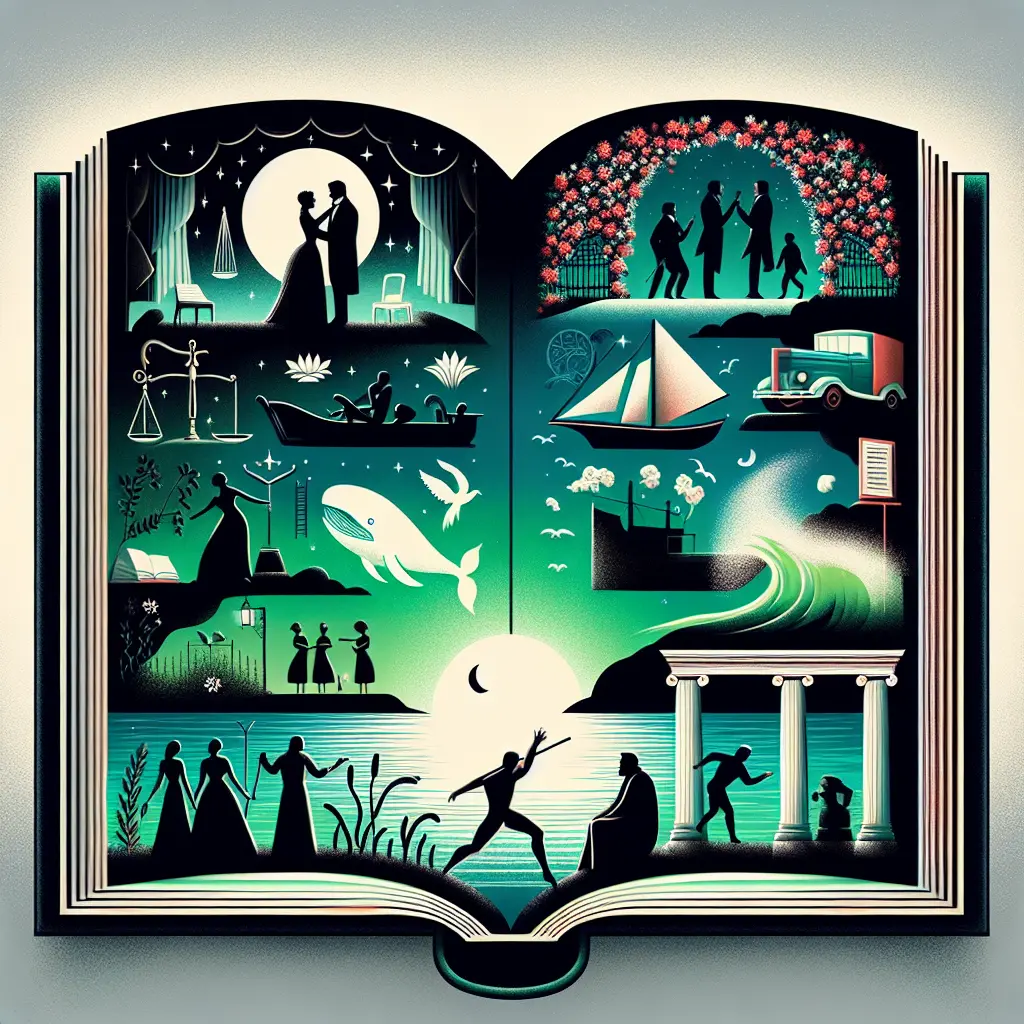
"Literature Around the World: Theoretical Frameworks & Critical Lenses" refers to the study of global literary works through various academic perspectives. It involves analyzing texts from different cultures using theories such as postcolonialism, feminism, structuralism, and more. This approach helps readers understand how literature reflects and shapes diverse social, historical, and cultural contexts, encouraging critical thinking and fostering appreciation for the richness and complexity of world literature.
Literature Around the World: Theoretical Frameworks & Critical Lenses
"Literature Around the World: Theoretical Frameworks & Critical Lenses" refers to the study of global literary works through various academic perspectives. It involves analyzing texts from different cultures using theories such as postcolonialism, feminism, structuralism, and more. This approach helps readers understand how literature reflects and shapes diverse social, historical, and cultural contexts, encouraging critical thinking and fostering appreciation for the richness and complexity of world literature.
💡 Key Takeaways
- Identify key theoretical frameworks used in global literature (postcolonialism, feminism, structuralism, etc.).
- Analyze diverse texts through lenses to reveal power, identity, and cultural memory.
- Apply historical and cultural context to interpret how narratives are shaped by colonization and globalization.
- Compare readings across lenses to appreciate multiple, sometimes competing, interpretations.
❓ Frequently Asked Questions
What is a theoretical framework in literary analysis?
A guiding set of ideas (e.g., postcolonialism, feminism, structuralism) used to interpret a text, shaping the questions asked and the evidence considered.
What is a critical lens, and how is it used with world literature?
A specific perspective that focuses analysis on elements like power, gender, language, or culture, helping reveal meanings beyond the plot and context.
How do you apply these frameworks to a text from a different culture?
Consider historical and cultural context, author background, and representation; analyze passages through the chosen lens and support claims with textual evidence.
Which frameworks are commonly used in world literature studies?
Postcolonialism, feminism/gender studies, Marxism, structuralism/semiotics, psychoanalysis, deconstruction, ecocriticism, and reader-response, among others.