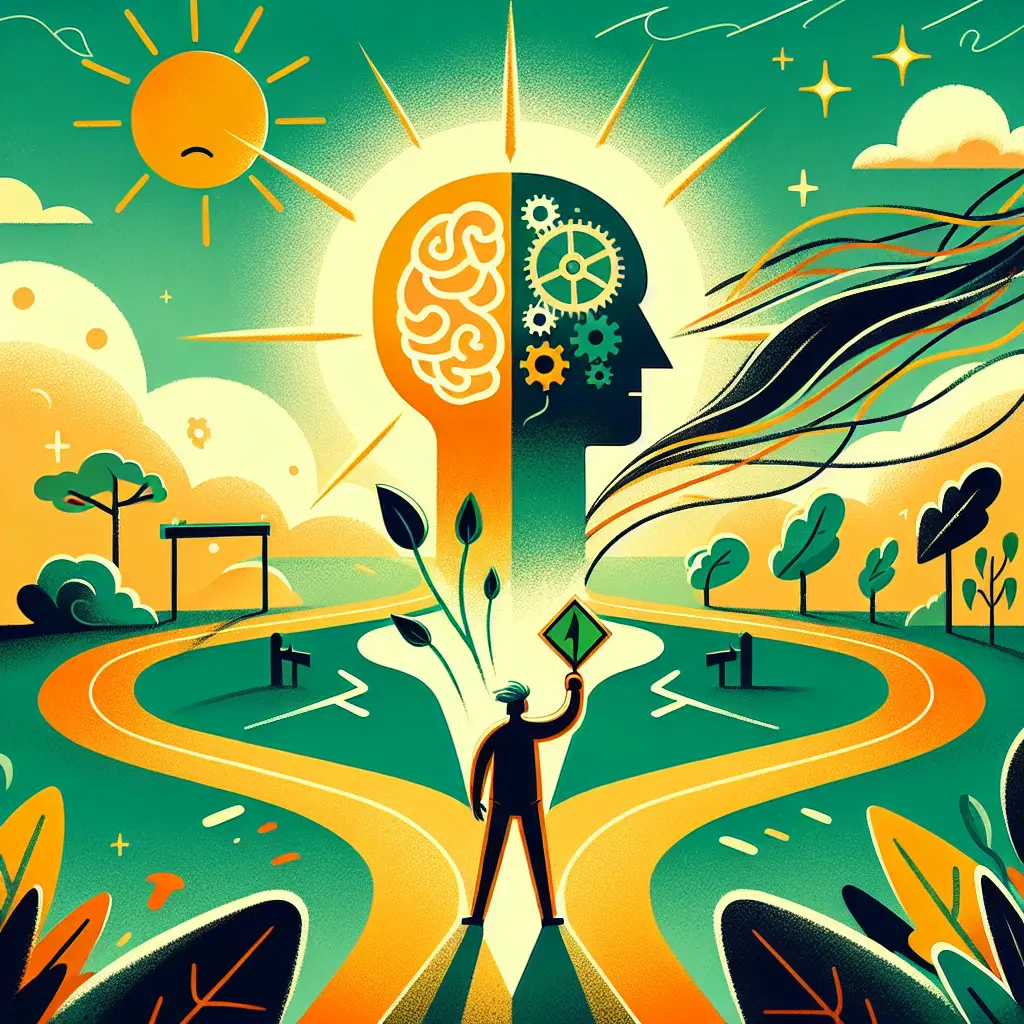
Locus of Control Intro refers to the concept in psychology that explains how individuals perceive the source of control over events in their lives. People with an internal locus believe they can influence outcomes through their own actions, while those with an external locus attribute results to outside forces such as luck or fate. Understanding one’s locus of control can impact motivation, decision-making, and overall mental well-being.
Locus of Control Intro+50
Locus of Control Intro refers to the concept in psychology that explains how individuals perceive the source of control over events in their lives. People with an internal locus believe they can influence outcomes through their own actions, while those with an external locus attribute results to outside forces such as luck or fate. Understanding one’s locus of control can impact motivation, decision-making, and overall mental well-being.
💡 Key Takeaways
- Define locus of control and distinguish between internal and external orientations.
- Explain how beliefs about control influence motivation and actions.
- Recognize real-life examples of internal vs. external locus of control in daily life (school, work, health).
- Explore how locus of control affects coping strategies, goal setting, and resilience.
❓ Frequently Asked Questions
What is the locus of control?
A psychology concept describing how people believe control over events is distributed—internally (by oneself) or externally (by outside factors).
What defines an internal locus of control?
The belief that your actions, decisions, and efforts largely determine outcomes.
What defines an external locus of control?
The belief that outcomes are mainly due to luck, fate, or actions of others rather than your own actions.
How does locus of control influence behavior?
Internal learners tend to take responsibility and persist, while external learners may attribute results to luck or outside forces.
How can someone develop a more internal locus of control?
Set small goals, track progress, take ownership of decisions, and view setbacks as controllable through effort and strategy.