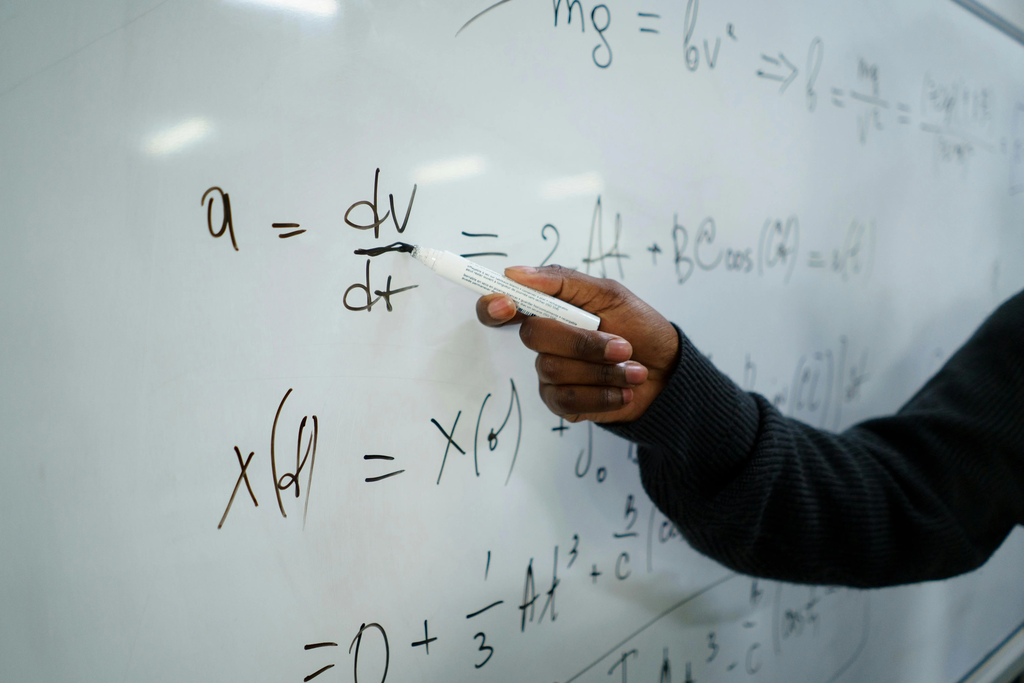
Logical argumentation involves constructing and evaluating reasoning to support or refute claims using clear, structured logic. It relies on evidence, coherence, and valid inference to reach sound conclusions. Fallacies are errors or flaws in reasoning that undermine the logic of an argument. They can be intentional or accidental, often misleading audiences by appealing to emotions, misrepresenting facts, or making invalid connections, thereby weakening the overall argument’s credibility.
Logical Argumentation and Fallacies
Logical argumentation involves constructing and evaluating reasoning to support or refute claims using clear, structured logic. It relies on evidence, coherence, and valid inference to reach sound conclusions. Fallacies are errors or flaws in reasoning that undermine the logic of an argument. They can be intentional or accidental, often misleading audiences by appealing to emotions, misrepresenting facts, or making invalid connections, thereby weakening the overall argument’s credibility.

💡 Key Takeaways
- Differentiate deductive vs. inductive reasoning and when each applies in math.
- Construct clear, rigorous proofs using definitions, theorems, and logical steps.
- Recognize and avoid common fallacies in mathematical reasoning, such as non sequiturs and circularity.
- Use counterexamples and proof by contradiction to test and strengthen arguments.
❓ Frequently Asked Questions
What is logical argumentation in mathematics?
It’s the disciplined process of building and evaluating claims using definitions, axioms, proven results, and clear inferences to reach a justified conclusion.
What is the difference between a valid argument and a sound argument in math?
A valid argument has a conclusion that logically follows from its premises. A sound argument is valid and has true premises, which means its conclusion is true.
What are common fallacies in mathematical reasoning, and how can I spot them?
Fallacies are errors in reasoning. Look for non sequiturs (conclusions that don’t follow from premises), circular reasoning, assuming what you’re trying to prove, or misusing definitions and generalizations.
How can counterexamples and standard proof techniques improve argument quality?
A counterexample can disprove universal claims; proof methods like direct proof, contradiction, and mathematical induction build rigorous arguments by enforcing clear premises and logical steps.