Logical Deduction, as featured in "Riddle Master: Simple Brain Teasers for Everyone," refers to the process of drawing conclusions based on given clues or information. It involves analyzing the details, identifying patterns, and using reasoning to solve puzzles or riddles. This skill helps players think critically and make sense of complex scenarios by eliminating impossible options and narrowing down the correct answers through step-by-step logic.
Logical Deduction
Logical Deduction, as featured in "Riddle Master: Simple Brain Teasers for Everyone," refers to the process of drawing conclusions based on given clues or information. It involves analyzing the details, identifying patterns, and using reasoning to solve puzzles or riddles. This skill helps players think critically and make sense of complex scenarios by eliminating impossible options and narrowing down the correct answers through step-by-step logic.
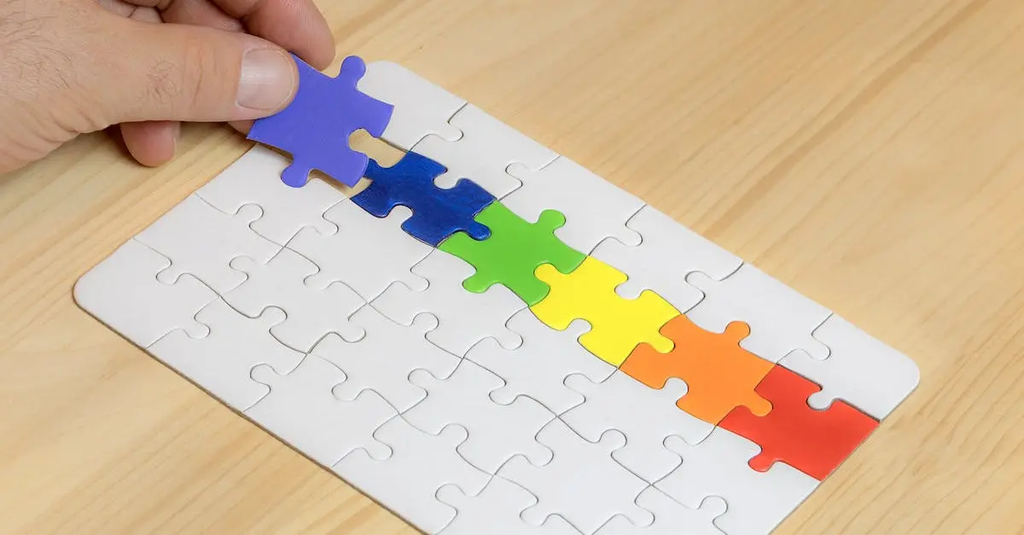
💡 Key Takeaways
- Understand how premises lead to a conclusion in deductive reasoning
- Identify valid syllogisms and structure logical arguments
- Apply standard rules of inference to derive conclusions
- Detect common logical fallacies and errors in deduction
❓ Frequently Asked Questions
What is logical deduction?
Logical deduction is a reasoning method that derives a necessary conclusion from given premises using valid rules of logic.
What makes an argument valid?
An argument is valid if, assuming the premises are true, the conclusion cannot be false.
What are common deduction patterns to spot in problems?
Modus ponens: If P → Q and P, then Q. Modus tollens: If P → Q and ¬Q, then ¬P. Syllogisms: all A are B, all B are C, therefore all A are C.
How do I identify the conclusion in a quiz question?
Look for the statement that the premises are used to justify; the conclusion is what the prompt asks you to prove or deduce.
What are common pitfalls to avoid?
Avoid assuming correlation equals causation, affirming the consequent, ignoring hidden premises, or drawing conclusions not supported by the logic.