Logistics and freight corridors in the UK refer to the major routes and infrastructure networks that facilitate the movement of goods across the country. These corridors include roads, railways, ports, and airports, connecting key industrial hubs, distribution centers, and international gateways. Efficient logistics and freight corridors are vital for supporting trade, supply chains, and economic growth, ensuring timely delivery of goods both domestically and for export markets.
Logistics and freight corridors in the UK
Logistics and freight corridors in the UK refer to the major routes and infrastructure networks that facilitate the movement of goods across the country. These corridors include roads, railways, ports, and airports, connecting key industrial hubs, distribution centers, and international gateways. Efficient logistics and freight corridors are vital for supporting trade, supply chains, and economic growth, ensuring timely delivery of goods both domestically and for export markets.
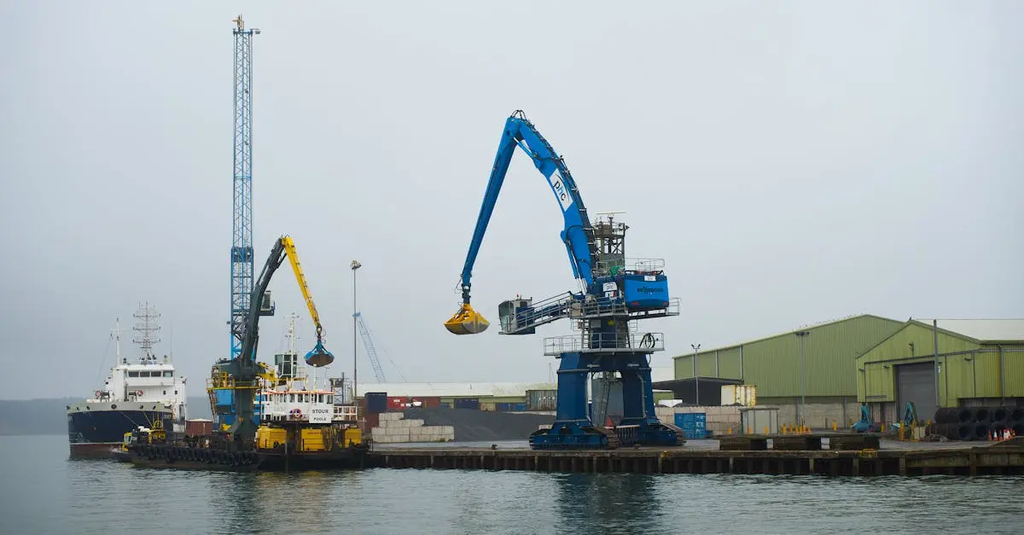
💡 Key Takeaways
- Identify the major UK freight corridors and the role of roads, rail, ports, and airports within them.
- Explain how freight infrastructure connects key industrial hubs, distribution centers, and international gateways across the UK.
- Describe how geography and urban development shape logistics routes, including coasts, rivers, and major cities.
- Compare how road, rail, sea, and air transport support different freight needs along these corridors.
❓ Frequently Asked Questions
What are the main components of UK logistics corridors?
UK logistics corridors consist of roads, railways, ports, airports, and inland distribution hubs that connect industrial centers with international gateways to move goods efficiently.
Why are freight corridors important to the UK economy?
They enable faster and cheaper movement of goods, support just‑in‑time supply chains, link manufacturers and retailers to markets, and improve resilience by offering multiple routes.
How do ports and airports fit into freight corridors?
Ports handle sea freight and connect to international markets, while airports move time‑sensitive air cargo; both feed into road and rail networks for inland distribution.
How do road and rail networks work together in UK logistics?
Roads provide flexible, local transport and last‑mile delivery, while rail moves bulk goods over long distances; together with intermodal terminals, they enable efficient transfers between modes.