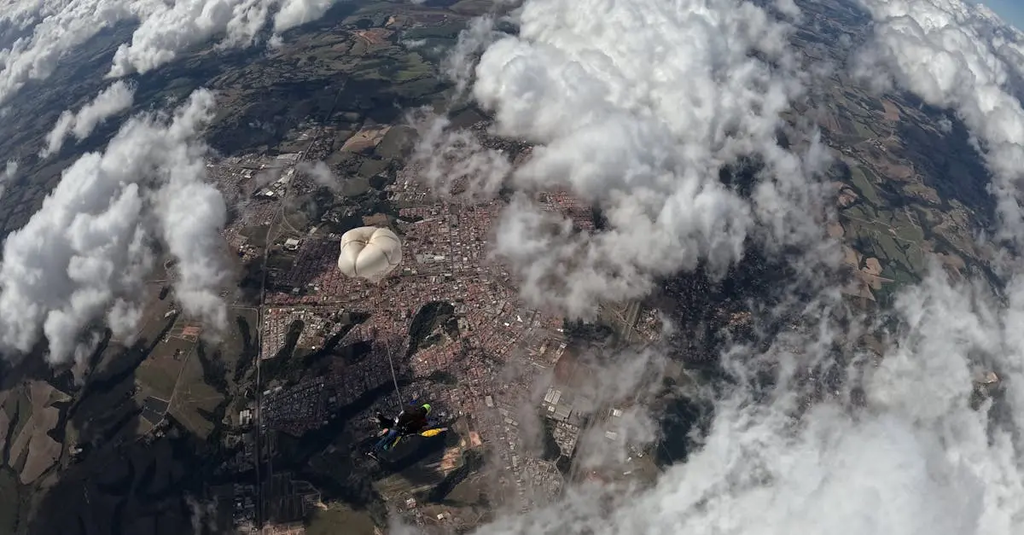
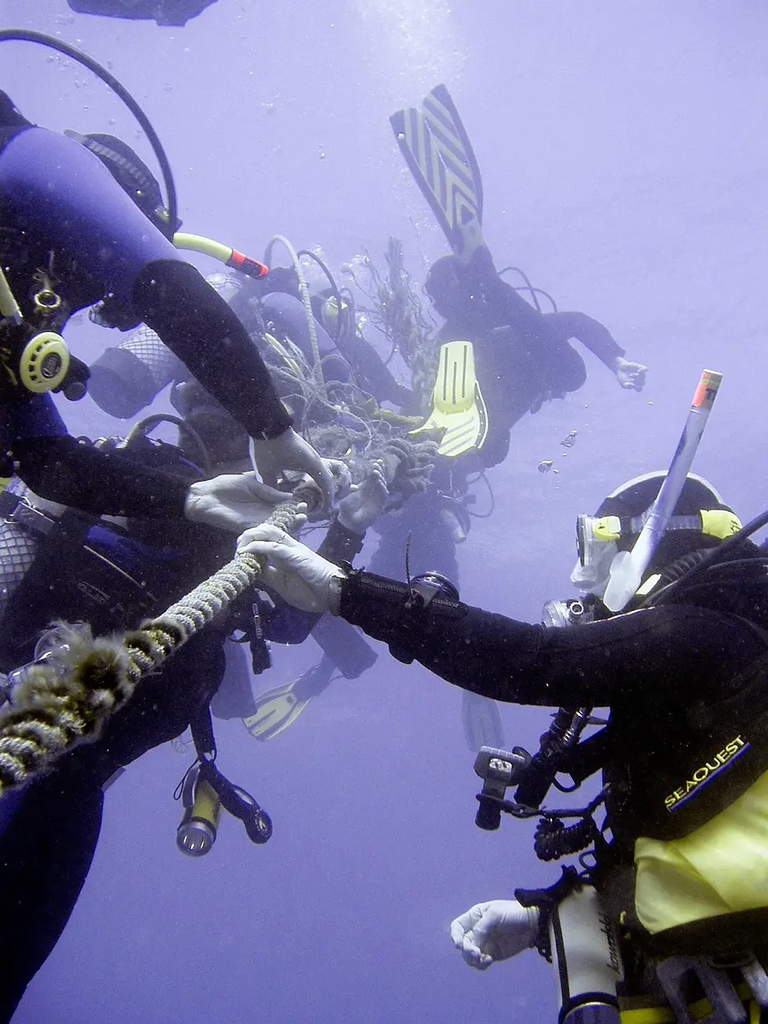
Long-Line, Heli, and Air Rescue Coordination refers to the organized management of aerial rescue operations involving helicopters. "Long-line" describes the use of extended cables to lift or transport people or equipment from difficult-to-reach locations. "Heli" denotes the use of helicopters as primary rescue vehicles. Coordination ensures seamless communication and teamwork among pilots, ground crews, and rescuers, maximizing efficiency and safety during complex or hazardous rescue missions in challenging environments.
Long-Line, Heli, and Air Rescue Coordination
Long-Line, Heli, and Air Rescue Coordination refers to the organized management of aerial rescue operations involving helicopters. "Long-line" describes the use of extended cables to lift or transport people or equipment from difficult-to-reach locations. "Heli" denotes the use of helicopters as primary rescue vehicles. Coordination ensures seamless communication and teamwork among pilots, ground crews, and rescuers, maximizing efficiency and safety during complex or hazardous rescue missions in challenging environments.
💡 Key Takeaways
- Understand the key roles and communication flow between air and ground teams in aerial rescue coordination.
- Explain what a long-line operation involves and the safety considerations for lifting or transporting people or gear with a helicopter.
- Identify essential heli-rescue equipment (hoists, long-lines, harnesses, baskets) and their basic uses.
- Describe common risks in air-rescue missions (weather, load stability, rotor wash) and general risk mitigation strategies.
❓ Frequently Asked Questions
What is long-line in helicopter rescue operations?
Long-line is a technique that uses an extended cable to lift or lower people or gear from difficult terrain when the helicopter cannot land safely.
What does 'heli' refer to in air rescue coordination?
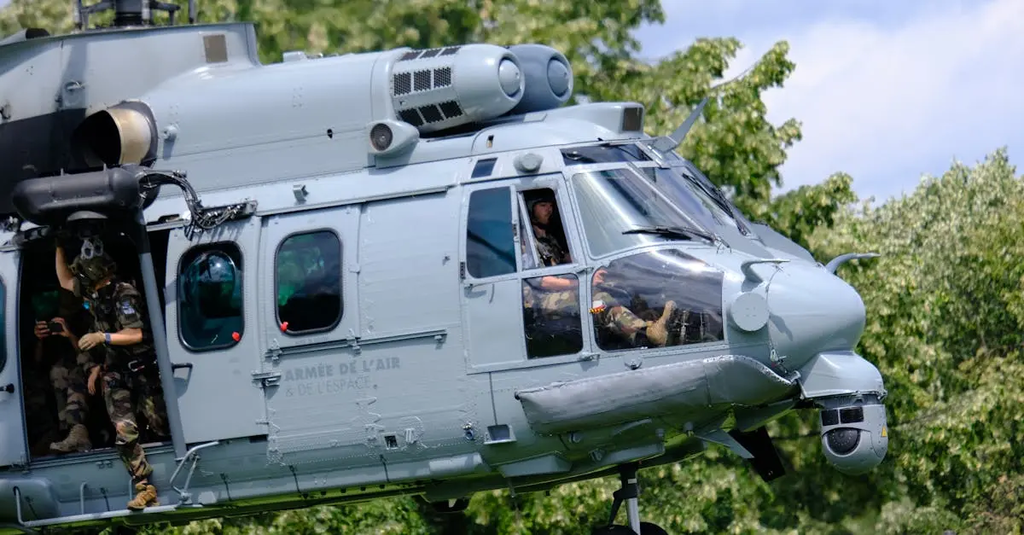
Heli is short for helicopter and refers to using helicopters as the primary aerial asset to access, hoist, or transport rescuers and survivors in remote or dangerous areas.
What are the key components of air rescue coordination?
Pre-mission planning, weather/visibility assessment, clear roles (pilot, winch operator, ground crew), safe hoisting or landing strategies, and post-mission debrief.
Why is weather assessment important before an air rescue?
Weather and visibility affect flight safety, maneuverability, and rescue feasibility; pilots rely on forecasts and observations to decide if a mission is safe.