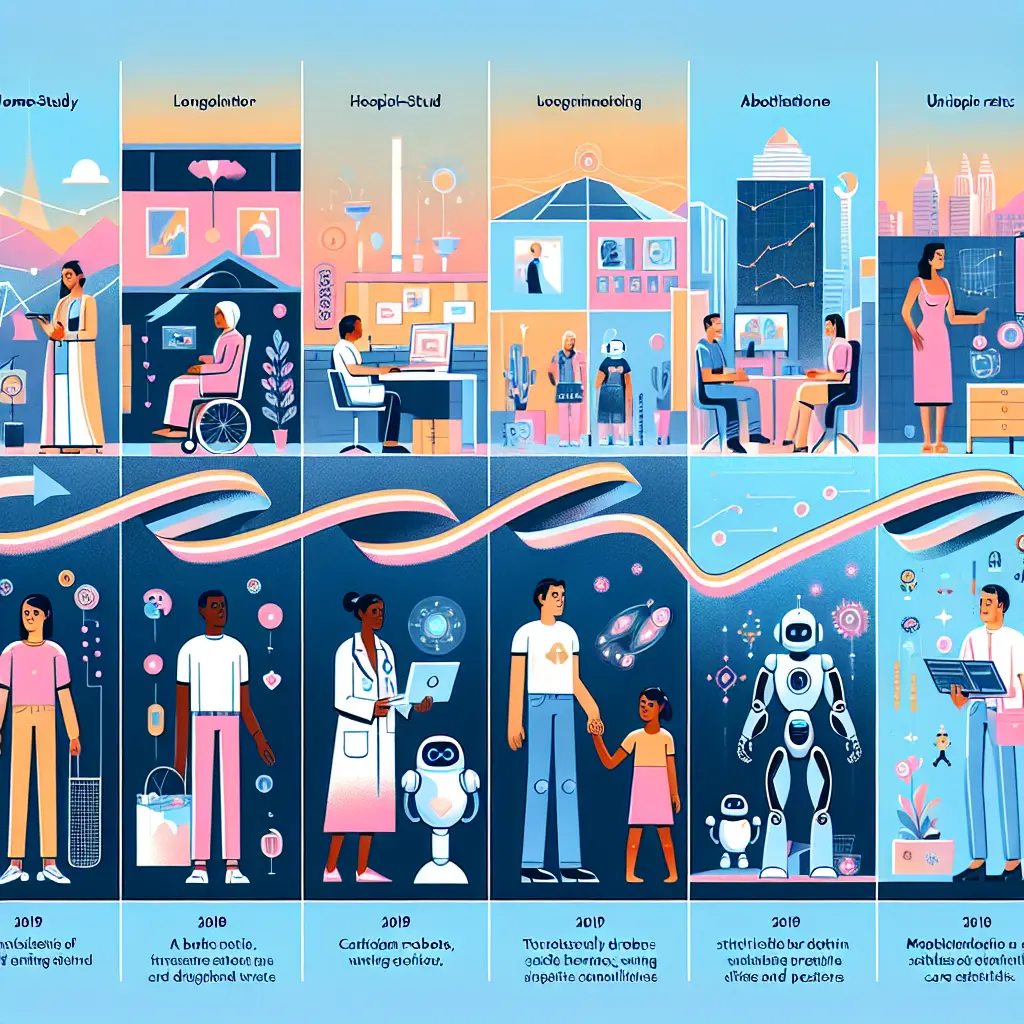
Longitudinal studies of AI adoption and trust involve tracking individuals or organizations over extended periods to observe how their use of artificial intelligence and confidence in AI systems evolve. These studies provide insights into factors influencing adoption rates, changes in user attitudes, and the development of trust or skepticism toward AI. Such research helps identify trends, challenges, and best practices for fostering sustainable and effective integration of AI technologies in society.
Longitudinal studies of AI adoption and trust
Longitudinal studies of AI adoption and trust involve tracking individuals or organizations over extended periods to observe how their use of artificial intelligence and confidence in AI systems evolve. These studies provide insights into factors influencing adoption rates, changes in user attitudes, and the development of trust or skepticism toward AI. Such research helps identify trends, challenges, and best practices for fostering sustainable and effective integration of AI technologies in society.
💡 Key Takeaways
- How longitudinal studies track AI adoption and trust over time.
- Factors that influence adoption rates in individuals and organizations.
- How user attitudes toward AI change with experience and exposure.
- The role of ethical and societal risks in shaping adoption and trust.
- Methods for measuring long-term AI use and trust (surveys, usage data, interviews).
❓ Frequently Asked Questions
What are longitudinal studies in AI adoption and trust?
They track the same individuals or organizations over time to observe how AI use and trust evolve.
What does AI adoption mean in this context?
The process of starting to use AI technologies and integrating them into daily work or routines.
How is trust in AI measured in these studies?
Through repeated surveys and trust scales, plus behavioral indicators like continued use, reliance on AI, and reported confidence or concerns.
What ethical and societal risks do these studies address?
Issues such as bias, privacy, accountability, transparency, fairness, and impacts on employment and social dynamics as AI evolves.