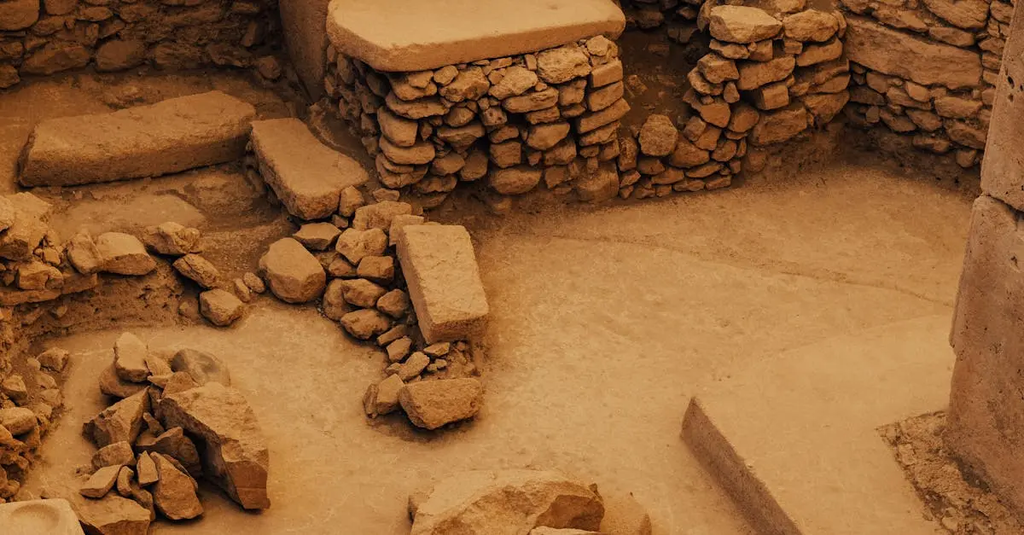
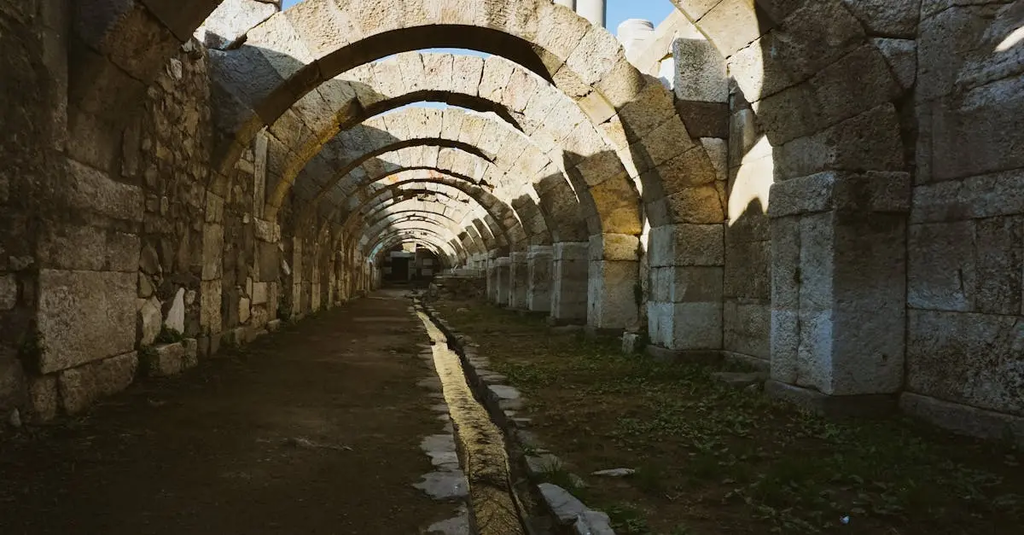
Lost civilizations refer to ancient societies that once flourished but eventually disappeared or declined, often leaving behind ruins, artifacts, and mysteries. These civilizations, such as the Maya, Indus Valley, or Atlantis, are studied through archaeology and historical records. Their disappearance can be attributed to factors like natural disasters, wars, environmental changes, or societal collapse. The intrigue around lost civilizations stems from their achievements, unique cultures, and the unanswered questions surrounding their fate.
Lost Civilizations+50
Lost civilizations refer to ancient societies that once flourished but eventually disappeared or declined, often leaving behind ruins, artifacts, and mysteries. These civilizations, such as the Maya, Indus Valley, or Atlantis, are studied through archaeology and historical records. Their disappearance can be attributed to factors like natural disasters, wars, environmental changes, or societal collapse. The intrigue around lost civilizations stems from their achievements, unique cultures, and the unanswered questions surrounding their fate.
💡 Key Takeaways
- Identify what 'lost civilizations' means and name examples like the Maya, Indus Valley, and Atlantis.
- Explain how archaeologists and historians gather evidence from artifacts, ruins, inscriptions, and records.
- Describe common factors that contributed to the decline or disappearance of ancient societies (environmental change, resource depletion, trade disruption, warfare, natural disasters).
- Explain how ruins and artifacts help us infer daily life, culture, technology, and trade in lost civilizations.
❓ Frequently Asked Questions
What is a lost civilization?
A society that once flourished but later declined or vanished, leaving ruins or records for researchers to study.
How do researchers learn about these civilizations when written records are scarce?
They examine archaeological digs, dating methods, inscriptions, architecture, artifacts, and evidence from nearby cultures.
Why do civilizations disappear?
Causes include climate change and drought, resource depletion, war or conquest, disease, economic collapse, and political instability.
Are all lost civilizations real, or is some like Atlantis mythical?
Some are real, such as the Maya or Indus Valley; Atlantis is a legendary story with no conclusive archaeological evidence.
What kinds of clues do archaeologists look for?
Monuments, inscriptions, pottery, tools, and settlement layouts that reveal language, trade, religion, technology, and daily life.