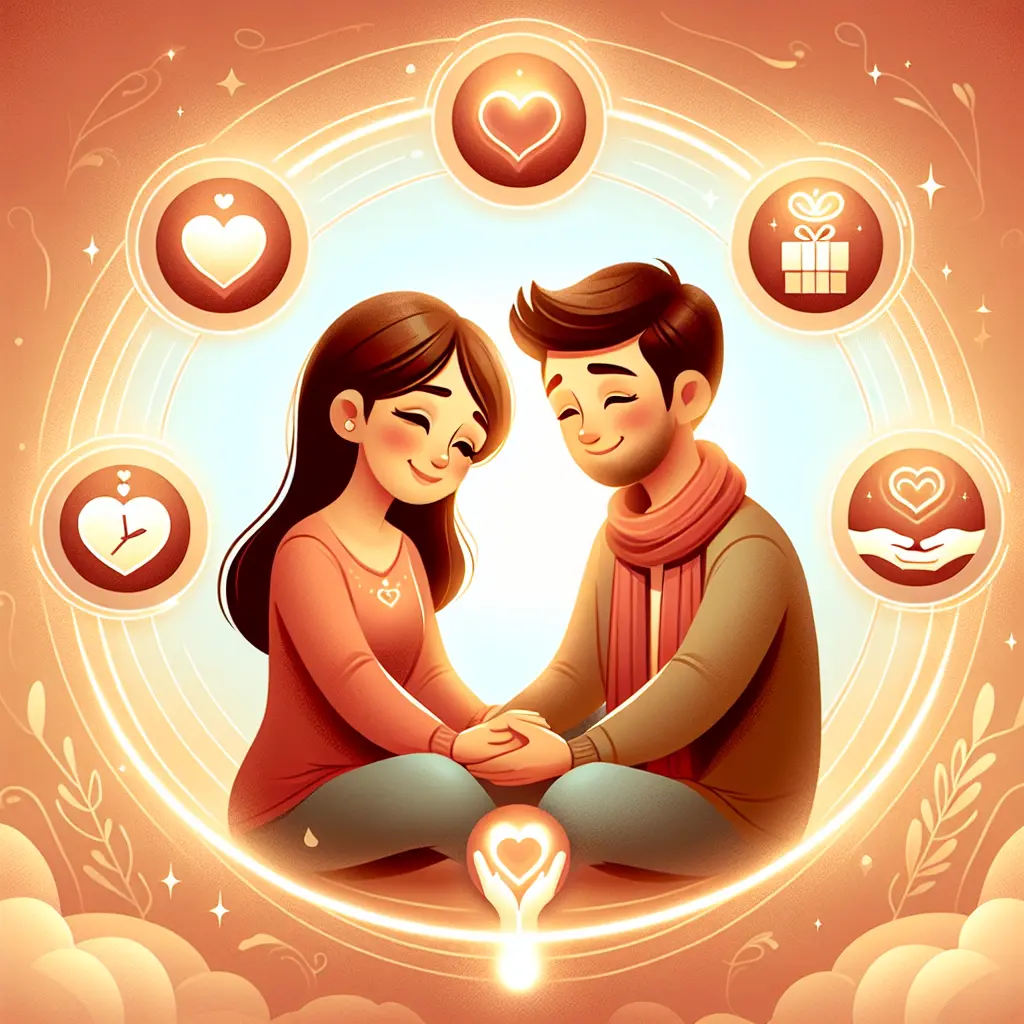
Love languages refer to the different ways individuals express and receive love, such as words of affirmation, acts of service, gifts, quality time, and physical touch. Compatibility in love languages means that partners understand and appreciate each other's preferred ways of giving and receiving affection. When couples recognize and respect these differences, it can enhance emotional connection, reduce misunderstandings, and strengthen their relationship by ensuring both partners feel valued and loved.
Love Languages & Compatibility
Love languages refer to the different ways individuals express and receive love, such as words of affirmation, acts of service, gifts, quality time, and physical touch. Compatibility in love languages means that partners understand and appreciate each other's preferred ways of giving and receiving affection. When couples recognize and respect these differences, it can enhance emotional connection, reduce misunderstandings, and strengthen their relationship by ensuring both partners feel valued and loved.
💡 Key Takeaways
- Identify the five love languages and what each one means.
- Learn to recognize your own and your partner's primary love languages and how to express love accordingly.
- Understand how compatibility between love languages affects communication and relationship satisfaction.
- Get practical date-night ideas that align with different love languages to strengthen connection.
❓ Frequently Asked Questions
What are love languages?
Love languages are the primary ways people express and receive love: words of affirmation, acts of service, receiving gifts, quality time, and physical touch.
How many love languages are there and what are they called?
Five: Words of Affirmation, Acts of Service, Receiving Gifts, Quality Time, and Physical Touch.
How can understanding love languages improve compatibility?
It helps partners recognize each other's preferences, communicate needs clearly, and show affection in ways that feel meaningful to each person.
How can couples discover each other's love language?
Have open conversations, take a trusted quiz, observe what actions are most appreciated, and experiment with different expressions of love.
Do love languages change over time?
They can shift with life changes and experiences, so regular check-ins help keep expectations aligned.