"Love Languages: Evidence & Critiques" refers to the examination of the popular concept that individuals express and receive love in distinct ways—such as words of affirmation, acts of service, and gifts. While widely embraced for improving relationships, scientific evidence supporting its effectiveness is limited. Critics argue that the framework lacks robust empirical validation and may oversimplify complex emotional needs, though some studies suggest it can foster better communication and understanding between partners.
Love Languages: Evidence & Critiques
"Love Languages: Evidence & Critiques" refers to the examination of the popular concept that individuals express and receive love in distinct ways—such as words of affirmation, acts of service, and gifts. While widely embraced for improving relationships, scientific evidence supporting its effectiveness is limited. Critics argue that the framework lacks robust empirical validation and may oversimplify complex emotional needs, though some studies suggest it can foster better communication and understanding between partners.
💡 Key Takeaways
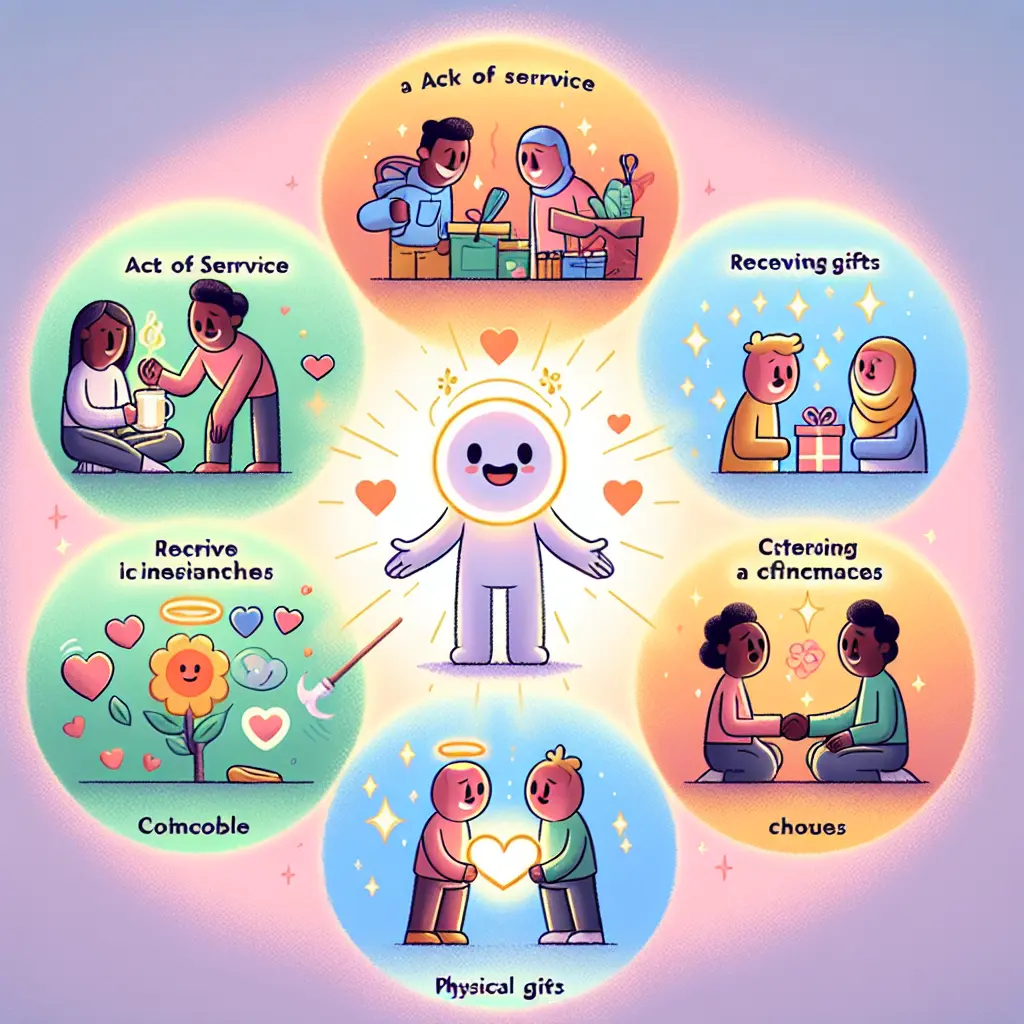
- Learn the core Love Languages framework and examples (words of affirmation, acts of service, gifts, quality time, physical touch).
- Review the scientific evidence on whether Love Languages reliably predict relationship satisfaction and behavior.
- Explore major critiques, including potential over-simplification, reliability concerns, and cultural bias.
- Discover practical approaches to using Love Languages without rigid labeling, focusing on communication and mutual understanding.
- Identify alternatives and complements to Love Languages (e.g., attachment theory, communication skills) for relationship growth.
❓ Frequently Asked Questions
What are love languages?
Love languages are a framework suggesting people express and receive love through five styles: Words of Affirmation, Acts of Service, Receiving Gifts, Quality Time, and Physical Touch.
Is there strong scientific evidence that love languages work?
Evidence is mixed and mostly correlational. Some studies link better satisfaction when partners understand each other’s style, but there’s no consensus that using the framework reliably improves relationships.
What are common criticisms of the love languages concept?
Critics say it can oversimplify needs, encourage fixed labeling, ignore context and ongoing relationship skills, and may not be reliable across cultures or over time.
How should I use love languages when answering the quiz?
Use it as a starting point to reflect on what feels meaningful, discuss with a partner, and combine with other relationship skills rather than treating it as a rigid rule.