Low-carb and ketogenic diets focus on reducing carbohydrate intake to encourage the body to burn fat for energy. The ketogenic diet is a stricter form, typically limiting carbs to under 50 grams per day, which induces ketosis—a metabolic state where the body uses ketones from fat as fuel. Both diets emphasize proteins, healthy fats, and non-starchy vegetables, aiming for weight loss, improved blood sugar control, and enhanced mental clarity.
Low-Carb & Ketogenic Diets Overview
Low-carb and ketogenic diets focus on reducing carbohydrate intake to encourage the body to burn fat for energy. The ketogenic diet is a stricter form, typically limiting carbs to under 50 grams per day, which induces ketosis—a metabolic state where the body uses ketones from fat as fuel. Both diets emphasize proteins, healthy fats, and non-starchy vegetables, aiming for weight loss, improved blood sugar control, and enhanced mental clarity.
💡 Key Takeaways
- Understand the core goal of low-carb and ketogenic diets and how carb limits differ between them.
- Explain ketosis: what it is, how the body uses ketones for energy, and common signs.
- Identify typical carb targets (e.g., under 50 g/day for keto) and practical food choices to reach them.
- Discuss potential benefits and challenges, including appetite control, weight loss, and possible nutrient gaps.
- Recognize when a low-carb or ketogenic approach may be appropriate or not, and basic safety considerations.
❓ Frequently Asked Questions
What is the difference between a low-carb diet and a ketogenic diet?
A low-carb diet reduces total carbohydrate intake but may not reach ketosis; a ketogenic diet is stricter, typically under 50 g of carbs per day, to push the body into ketosis where it burns fat-derived ketones for energy.
What is ketosis, and why does it happen on a ketogenic diet?
Ketosis is a metabolic state in which the body uses ketones from fat as its main fuel due to very low carbohydrate availability.
What foods are common on low-carb and ketogenic diets?
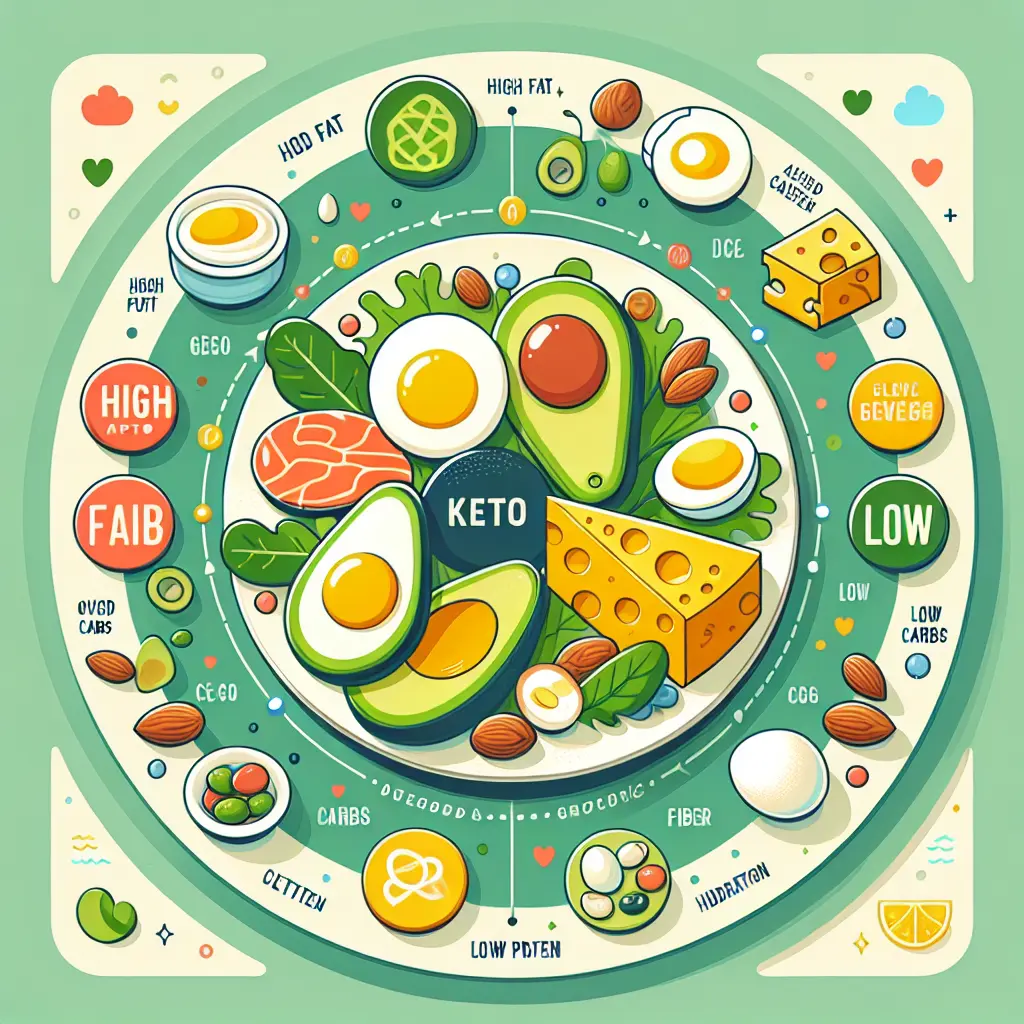
Emphasize protein sources (meat, fish, eggs), non-starchy vegetables, nuts, seeds, and healthy fats (olive oil, avocado). Limit grains, sugars, starchy vegetables, and processed foods; ketogenic goals are high fat, moderate protein, very low carbs.
Is a ketogenic diet safe for everyone, and what precautions exist?
Not suitable for certain conditions (pancreatic or liver disease, rare metabolic disorders) or during pregnancy. If considering keto, consult a healthcare provider, and monitor hydration, electrolytes, nutrient intake, and potential side effects like the keto flu.