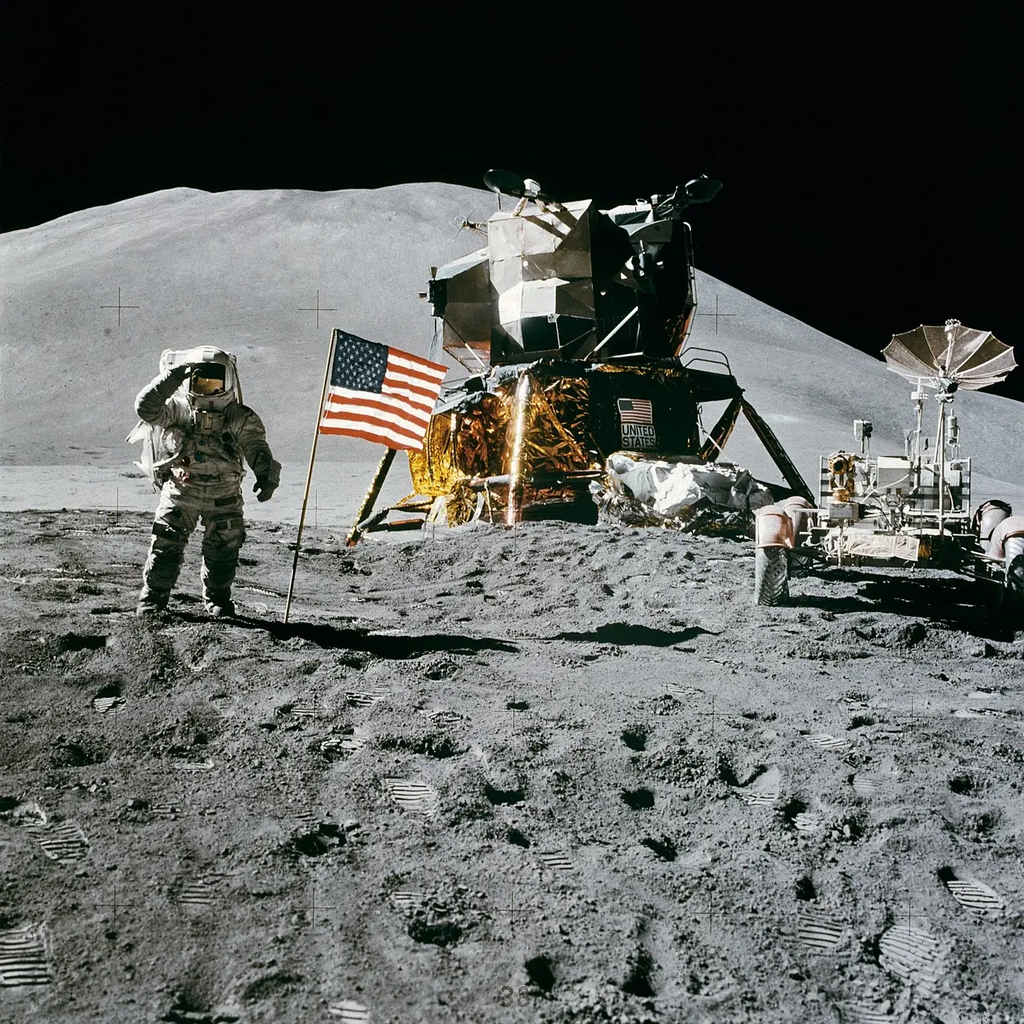
Lunar Base Construction refers to the process of designing, building, and assembling human habitats and infrastructure on the Moon’s surface. This involves overcoming unique challenges such as harsh lunar conditions, limited resources, and extreme temperature fluctuations. Techniques may include using local materials like regolith for building, deploying modular habitats, and employing robotics and automation. The goal is to support scientific research, resource extraction, and potential long-term human presence on the Moon.
Lunar Base Construction
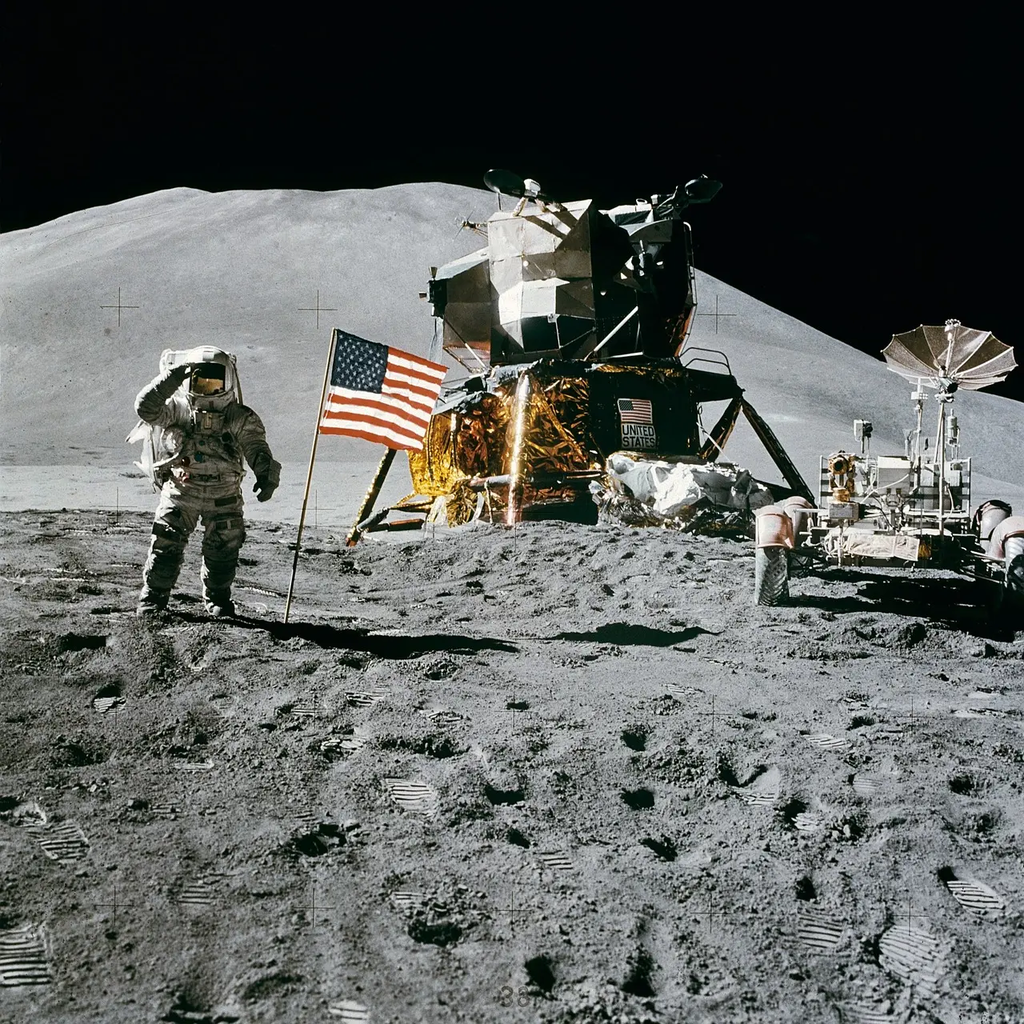
Lunar Base Construction refers to the process of designing, building, and assembling human habitats and infrastructure on the Moon’s surface. This involves overcoming unique challenges such as harsh lunar conditions, limited resources, and extreme temperature fluctuations. Techniques may include using local materials like regolith for building, deploying modular habitats, and employing robotics and automation. The goal is to support scientific research, resource extraction, and potential long-term human presence on the Moon.
💡 Key Takeaways
- Understand the key lunar construction challenges: extreme temperatures, radiation, and regolith dust.
- Learn design principles for safe, sustainable lunar habitats.
- Compare space construction methods: 3D printing with lunar soil and modular assemblies.
- Identify essential lunar base systems: life support, power, water, waste, and communications.
❓ Frequently Asked Questions
What are the main challenges of constructing a lunar base?
Extreme temperature swings, vacuum, high radiation, micrometeoroid impacts, lunar dust, and limited power and mass budgets for transport.
What is in-situ resource utilization (ISRU) and why is it important for lunar construction?
ISRU uses local materials (like lunar regolith) to make building materials, oxygen, water, and fuel, reducing the need to launch everything from Earth.
What are common approaches to building lunar habitats?
Regolith shielding, underground or partially buried structures, inflatable modules, and 3D printing with lunar soil to form walls and infrastructure.
Why are life support and radiation protection essential on the Moon?
Closed-loop life support maintains air and water, while shielding and design protect crew from cosmic radiation and solar events.