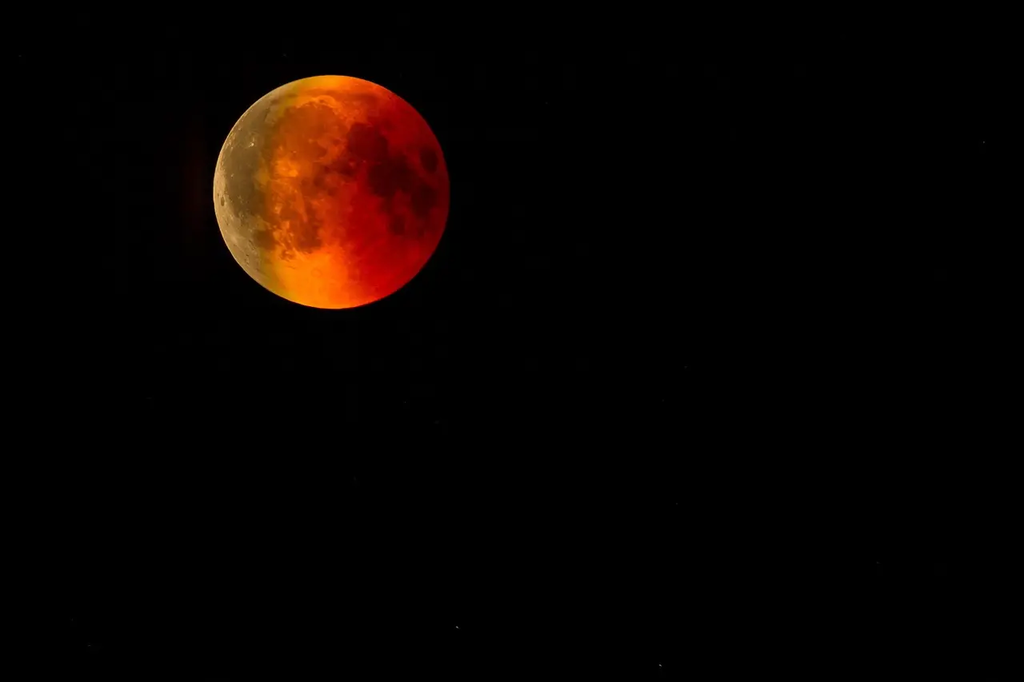
Lunar eclipses occur when the Earth comes between the Sun and the Moon, casting a shadow on the Moon’s surface. During this event, the Moon can appear reddish due to sunlight filtering through Earth’s atmosphere, a phenomenon known as a “blood moon.” Observing lunar eclipses allows space enthusiasts to better understand the movements of celestial bodies and the alignment of the Earth, Moon, and Sun within our solar system.
Lunar Eclipses
Lunar eclipses occur when the Earth comes between the Sun and the Moon, casting a shadow on the Moon’s surface. During this event, the Moon can appear reddish due to sunlight filtering through Earth’s atmosphere, a phenomenon known as a “blood moon.” Observing lunar eclipses allows space enthusiasts to better understand the movements of celestial bodies and the alignment of the Earth, Moon, and Sun within our solar system.
💡 Key Takeaways
- Define what a lunar eclipse is and how Earth's shadow causes it.
- Differentiate between total, partial, and penumbral lunar eclipses.
- Explain why lunar eclipses occur only during a full moon and the orbital geometry involved.
- Know how to observe a lunar eclipse safely and what to expect during the event.
❓ Frequently Asked Questions
What is a lunar eclipse?
A lunar eclipse occurs when Earth passes between the Sun and the Moon, casting Earth's shadow on the Moon during a full Moon.
What are the main types of lunar eclipses?
Total: the Moon is fully in Earth's shadow (umbra); Partial: part of the Moon is in shadow; Penumbral: the Moon passes through Earth's outer shadow, often a subtle shading.
Why does the Moon sometimes look red during a lunar eclipse?
Sunlight passing through Earth's atmosphere is filtered and bent, giving the Moon a reddish color during total eclipses.
Is it safe to watch a lunar eclipse, and how long does it last?
Yes. You can view with the naked eye or binoculars; no special eye protection is needed. A lunar eclipse lasts several hours, with the total phase typically around an hour.