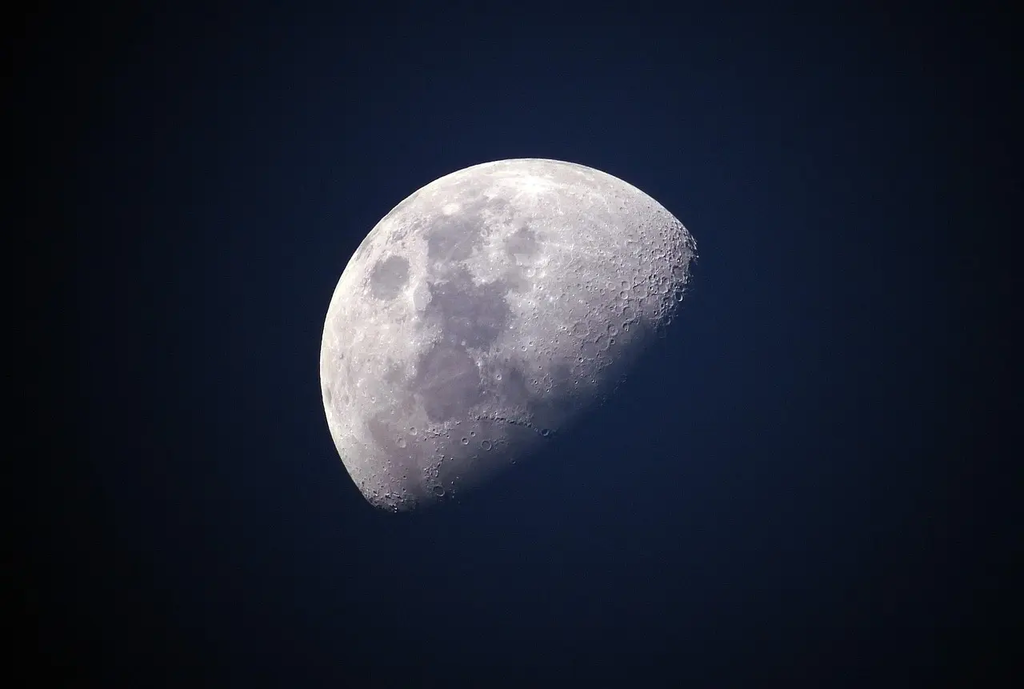
Lunar Highlands are the elevated, rugged regions on the Moon’s surface, characterized by lighter color and heavily cratered terrain. Composed mainly of anorthosite rock, these areas are older than the darker lunar maria and represent the Moon’s original crust. The highlands cover much of the lunar surface, especially on the far side, and provide valuable insights into the Moon’s geological history and the early solar system.
Lunar Highlands
Lunar Highlands are the elevated, rugged regions on the Moon’s surface, characterized by lighter color and heavily cratered terrain. Composed mainly of anorthosite rock, these areas are older than the darker lunar maria and represent the Moon’s original crust. The highlands cover much of the lunar surface, especially on the far side, and provide valuable insights into the Moon’s geological history and the early solar system.
💡 Key Takeaways
- Identify lunar highlands and how they differ from maria in age, texture, and composition.
- Explain the highlands' crustal composition (anorthosite and feldspathic rocks) and what this says about the Moon's formation.
- Describe the cratering history of the highlands and how their age is estimated (crater counting and radiometric dating).
- Summarize how scientists study the highlands today (orbital remote sensing and Apollo-era samples) and what they reveal about early lunar history.
❓ Frequently Asked Questions
What are the lunar highlands?
The Moon's bright, ancient, heavily cratered crustal regions that form the elevated terrain, primarily made of anorthosite rock.
How do the lunar highlands differ from the maria?
Highlands are light-colored, old crustal areas with many craters; maria are dark, smooth basalt plains formed by volcanic activity later in the Moon’s history.
What is the main rock type found in the highlands?
Anorthosite, rich in plagioclase feldspar, giving the highlands their lighter appearance.
Why are the highlands heavily cratered?
They are among the oldest surfaces, exposed for billions of years with little resurfacing, so impact craters accumulate over time.