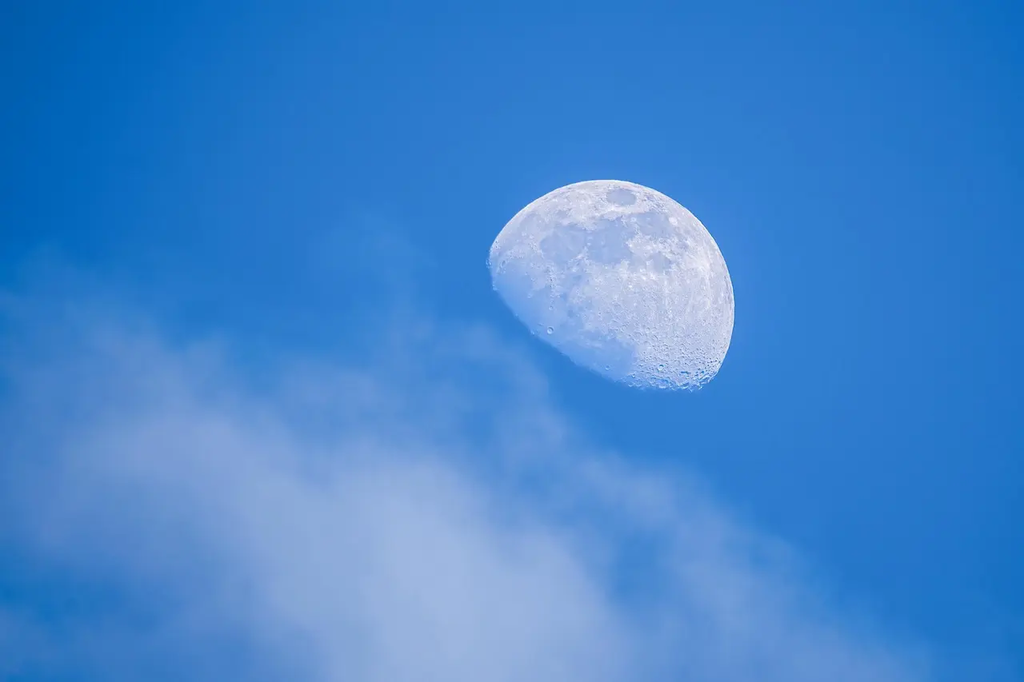
Lunar maria are large, dark, basaltic plains on the Moon's surface, formed by ancient volcanic eruptions. The term "maria" comes from the Latin word for "seas," as early astronomers mistakenly thought these areas were actual seas. Covering about 16% of the Moon's surface, maria are mostly found on the side facing Earth and are less cratered than the lunar highlands, indicating they are geologically younger.
Lunar Maria
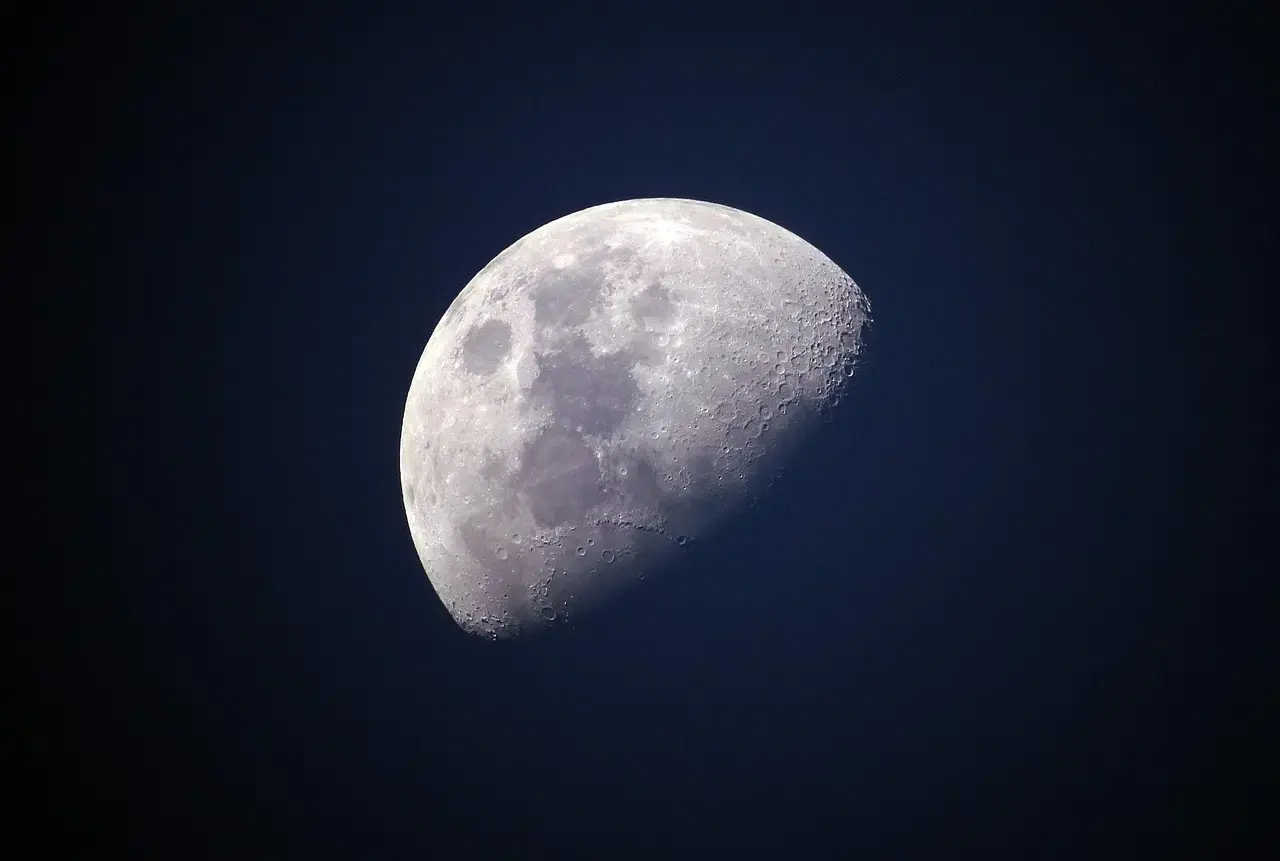
Lunar maria are large, dark, basaltic plains on the Moon's surface, formed by ancient volcanic eruptions. The term "maria" comes from the Latin word for "seas," as early astronomers mistakenly thought these areas were actual seas. Covering about 16% of the Moon's surface, maria are mostly found on the side facing Earth and are less cratered than the lunar highlands, indicating they are geologically younger.
💡 Key Takeaways
- The maria are large basaltic plains on the Moon formed by ancient volcanic activity.
- They are called seas (maria) because they appear dark from Earth, not because they contain water.
- They differ from lunar highlands in age and composition; maria are smoother and basalt-rich.
- Recognize famous maria like Mare Imbrium, Mare Serenitatis, Mare Tranquillitatis, and Oceanus Procellarum and what they reveal about lunar geology.
- Observe the maria from Earth by noting favorable Moon phases and libration for optimal visibility.
❓ Frequently Asked Questions
What are lunar maria (lunar mare)?
Large, dark basaltic plains on the Moon formed by ancient volcanic lava filling large impact basins.
How did lunar maria form?
After big impacts created basins, low-viscosity lava flowed in and pooled in the basins, cooling into smooth basalt plains.
Why do maria appear dark and where are they located?
They’re made of basalt, which reflects less sunlight than the surrounding highlands; most prominent maria are on the Moon’s near side near the equator.
Are maria still forming today or how old are they?
No current activity; maria formed billions of years ago as the Moon volcanically resurfaced, with volcanism largely ending about 1–2 billion years ago.