Lunar New Year, celebrated in many East Asian countries such as China, Korea, and Vietnam, marks the beginning of the lunar calendar. Traditions include family reunions, festive meals, and honoring ancestors. People clean their homes to sweep away bad luck, set off fireworks, and exchange red envelopes for good fortune. Each culture features unique customs, but all share themes of renewal, prosperity, and togetherness during this vibrant holiday.
Lunar New Year & East Asian Traditions
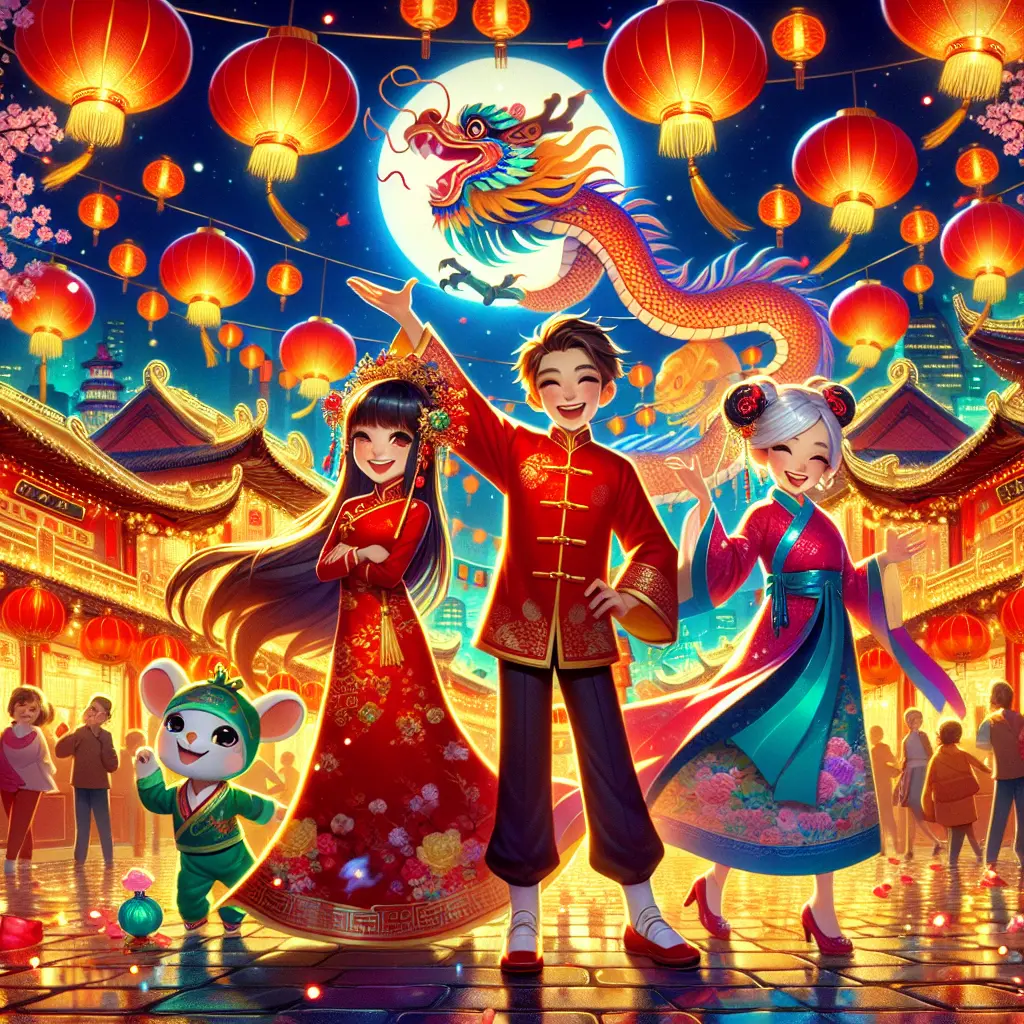
Lunar New Year, celebrated in many East Asian countries such as China, Korea, and Vietnam, marks the beginning of the lunar calendar. Traditions include family reunions, festive meals, and honoring ancestors. People clean their homes to sweep away bad luck, set off fireworks, and exchange red envelopes for good fortune. Each culture features unique customs, but all share themes of renewal, prosperity, and togetherness during this vibrant holiday.
💡 Key Takeaways
- Understand what Lunar New Year is and why it marks the start of the lunar calendar.
- Identify core traditions: family reunions, festive meals, ancestor honoring, and red envelope gifts.
- Learn common practices: house cleaning for luck, fireworks, and symbolic foods.
- Compare celebrations across China, Korea, and Vietnam (Tet, Seollal) and note regional differences.
❓ Frequently Asked Questions
What is Lunar New Year?
It marks the start of the lunar calendar and is a time for family gatherings, festive meals, and honoring ancestors.
Which countries celebrate Lunar New Year and what are some local names?
China (Spring Festival), Korea (Seollal), Vietnam (Tet). Similar customs are shared across East Asia.
What are common traditions during Lunar New Year?
Cleaning homes to sweep away bad luck, decorating with red, exchanging red envelopes (hongbao) for good luck, giving gifts, and setting off fireworks.
What foods are commonly eaten during Lunar New Year?
Festive dishes vary by country (e.g., dumplings for wealth in some traditions, rice cakes like nian gao in China, bánh chưng/bánh tét in Vietnam).
How long do Lunar New Year celebrations last?
Celebrations begin on the eve of the lunar new year and typically span several days, often ending with the Lantern Festival.