Lunar New Year is a significant traditional festival celebrated in many East and Southeast Asian countries, such as China, Vietnam, and Korea. It marks the beginning of a new year based on the lunar calendar, usually occurring between late January and mid-February. The celebration involves family reunions, feasts, fireworks, and various cultural rituals to bring good luck, prosperity, and happiness for the coming year. Each year is associated with a specific animal from the zodiac.
Lunar New Year
Lunar New Year is a significant traditional festival celebrated in many East and Southeast Asian countries, such as China, Vietnam, and Korea. It marks the beginning of a new year based on the lunar calendar, usually occurring between late January and mid-February. The celebration involves family reunions, feasts, fireworks, and various cultural rituals to bring good luck, prosperity, and happiness for the coming year. Each year is associated with a specific animal from the zodiac.
💡 Key Takeaways
- Learn that Lunar New Year marks the start of the lunar calendar year, usually between late January and mid-February.
- Explore common traditions across China, Vietnam, and Korea, such as family reunions, festive foods, red decorations, and giving lucky money or gifts.
- Understand the symbolism of red, lanterns, and the zodiac animal associated with the new year.
- Recognize country-specific celebrations and names (Spring Festival, Tet, Seollal) and the importance of honoring ancestors and elders during the festivities.
❓ Frequently Asked Questions
What is Lunar New Year?
A major traditional festival marking the start of the new year in many East and Southeast Asian cultures, based on the lunar calendar.
When is it usually celebrated?
Dates fall between late January and mid-February; the exact day depends on the lunar cycle.
Which countries celebrate it and what are the local names?
China (Spring Festival/Chunjie), Vietnam (Tet Nguyen Dan or Tet), and Korea (Seollal); many other communities observe similar celebrations.
What are common traditions during Lunar New Year?
Family reunions, home cleaning and decoration, exchanging gifts or money, visiting relatives, and honoring ancestors.
What foods are commonly eaten and why?
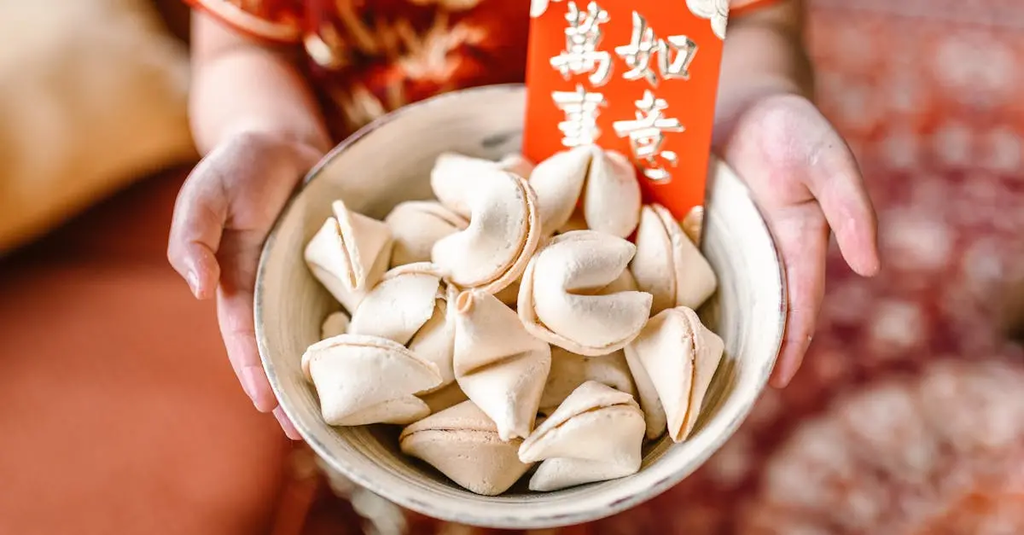
Dumplings or jiaozi for wealth; bánh chưng or bánh tét in Vietnam for prosperity; tteokguk in Korea for good luck and aging; fish is often eaten as a symbol of abundance.