Lunar surface features refer to the various physical characteristics found on the Moon's surface, including craters, mountains, valleys, and flat plains called maria. These features are primarily the result of asteroid impacts, volcanic activity, and tectonic processes over billions of years. Studying the lunar surface helps scientists understand the Moon's history, geological evolution, and its relationship to other celestial bodies within the Solar System.
Lunar Surface Features
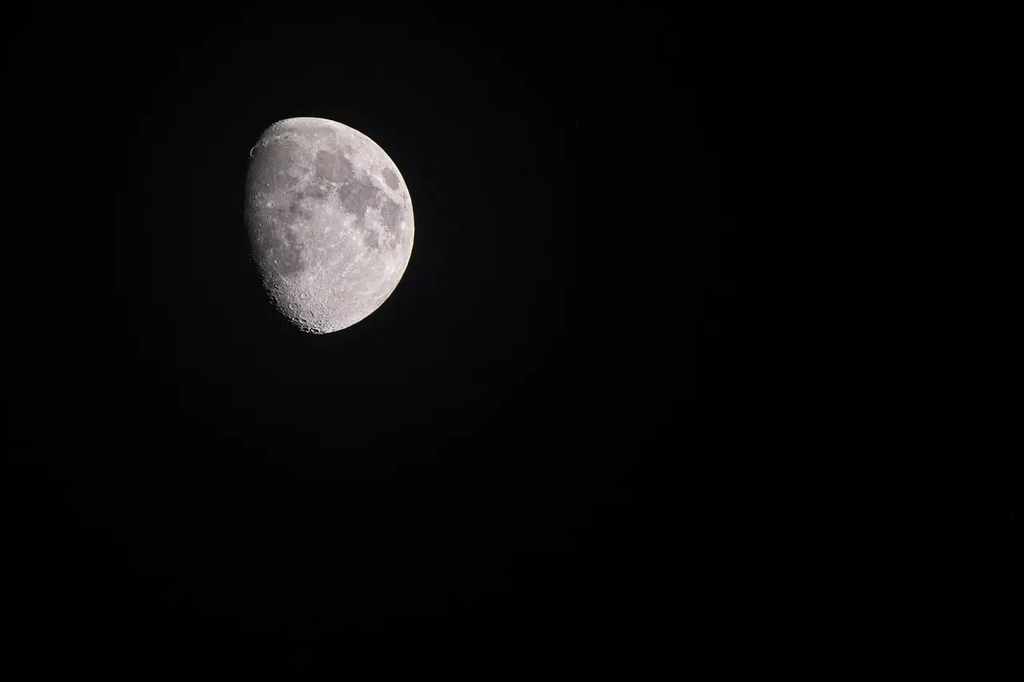
Lunar surface features refer to the various physical characteristics found on the Moon's surface, including craters, mountains, valleys, and flat plains called maria. These features are primarily the result of asteroid impacts, volcanic activity, and tectonic processes over billions of years. Studying the lunar surface helps scientists understand the Moon's history, geological evolution, and its relationship to other celestial bodies within the Solar System.
💡 Key Takeaways
- Name major lunar surface features (craters, maria, highlands, rays, rilles) and what they reveal about lunar history.
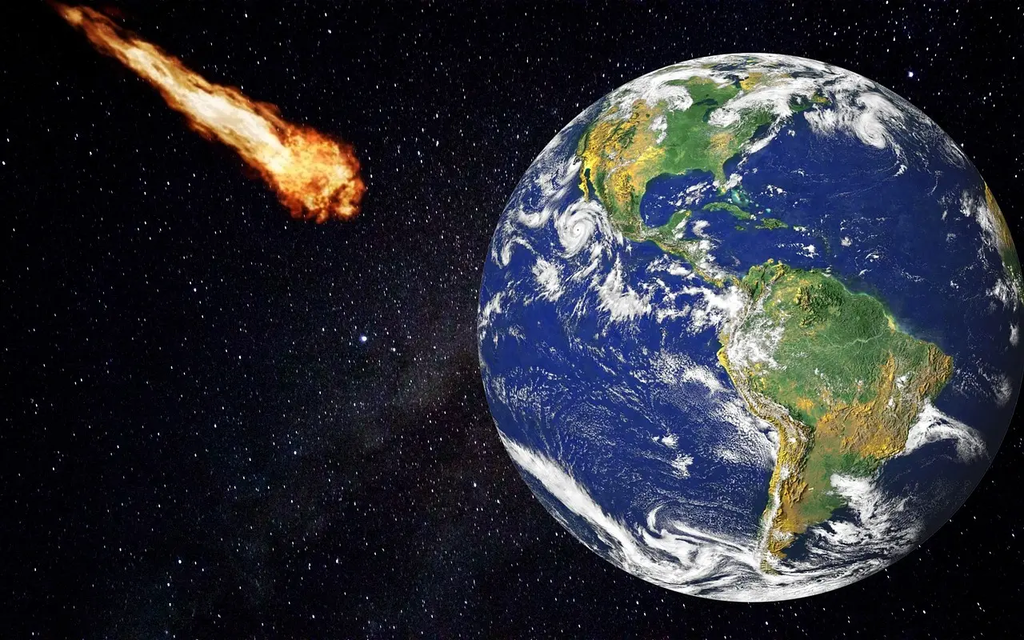
- Explain how impact craters form, including ejecta blankets and ray systems.
- Compare maria and highlands in composition, age, and appearance.
- Describe how the Moon's lack of atmosphere leads to space weathering and a regolith-dominated surface.
❓ Frequently Asked Questions
What are lunar maria and highlands, and how do they differ?
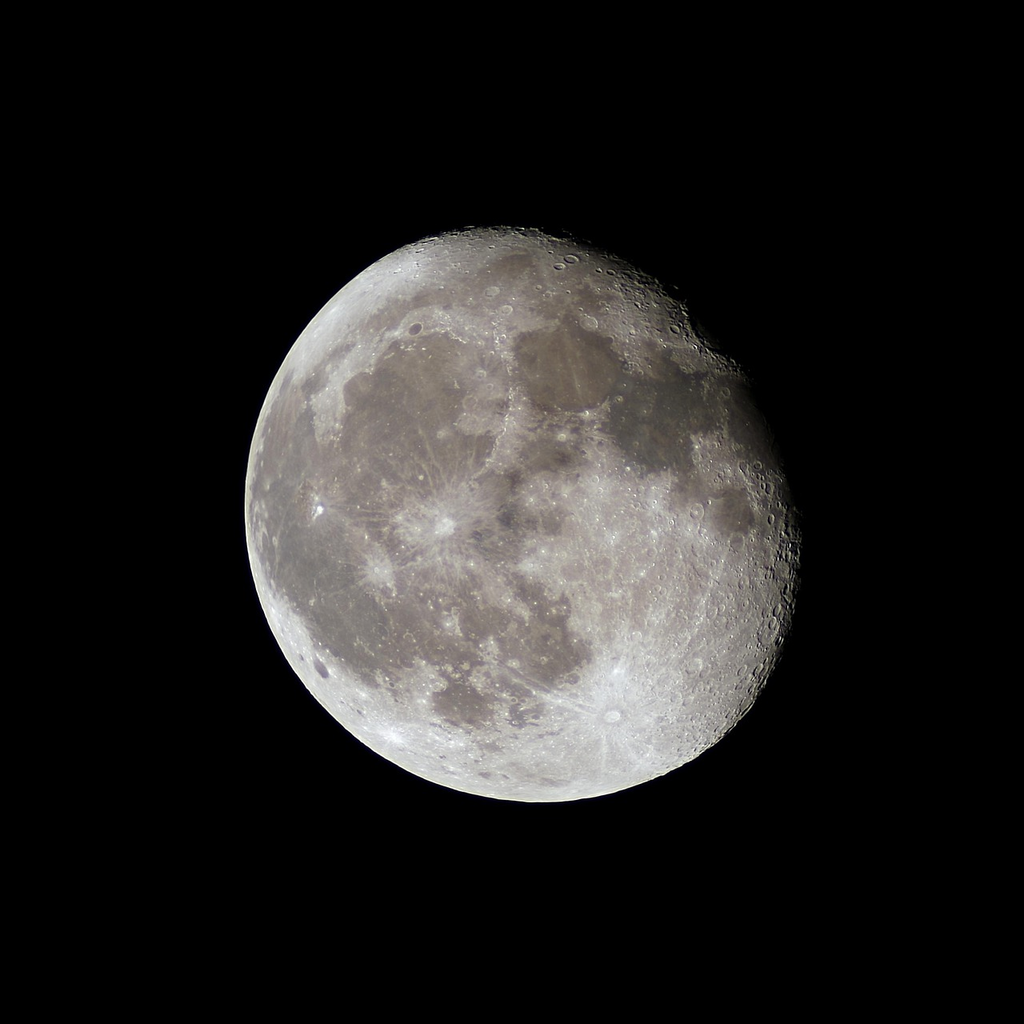
Maria are dark basaltic plains formed by ancient lava flows; they’re relatively young and have fewer craters. Highlands are light-colored, heavily cratered regions and are older crust.
What is a lunar impact crater, and what features do larger craters have?
A circular depression formed by a meteoroid impact. Larger craters often have terraced walls, a central peak from rebound, and ejecta/ray systems.
What are lunar rilles, and what do they tell us about the Moon's history?
Rilles are long channels or grooves formed by flowing lava or collapsed lava tubes, indicating past volcanic activity.
What is lunar regolith, and what is ejecta around craters?
Regolith is the loose, powdery surface soil produced by micrometeoroid bombardment. Ejecta is material blasted out during an impact, often forming bright rays and blankets around a crater.