Lunar and Solar New Year traditions differ primarily in their calendars and cultural practices. Lunar New Year, celebrated in countries like China and Vietnam, follows the lunar calendar and features customs such as family reunions, fireworks, and symbolic foods. Solar New Year, observed on January 1st in many Western countries, is based on the Gregorian calendar and often includes parties, fireworks, and resolutions. Both mark renewal but reflect distinct cultural heritages and timing.
Lunar vs Solar New Year Traditions Comparison
Lunar and Solar New Year traditions differ primarily in their calendars and cultural practices. Lunar New Year, celebrated in countries like China and Vietnam, follows the lunar calendar and features customs such as family reunions, fireworks, and symbolic foods. Solar New Year, observed on January 1st in many Western countries, is based on the Gregorian calendar and often includes parties, fireworks, and resolutions. Both mark renewal but reflect distinct cultural heritages and timing.
💡 Key Takeaways
- Understand the calendar basis for Lunar vs Solar New Year: lunar/lunisolar calendar vs January 1 Gregorian calendar.
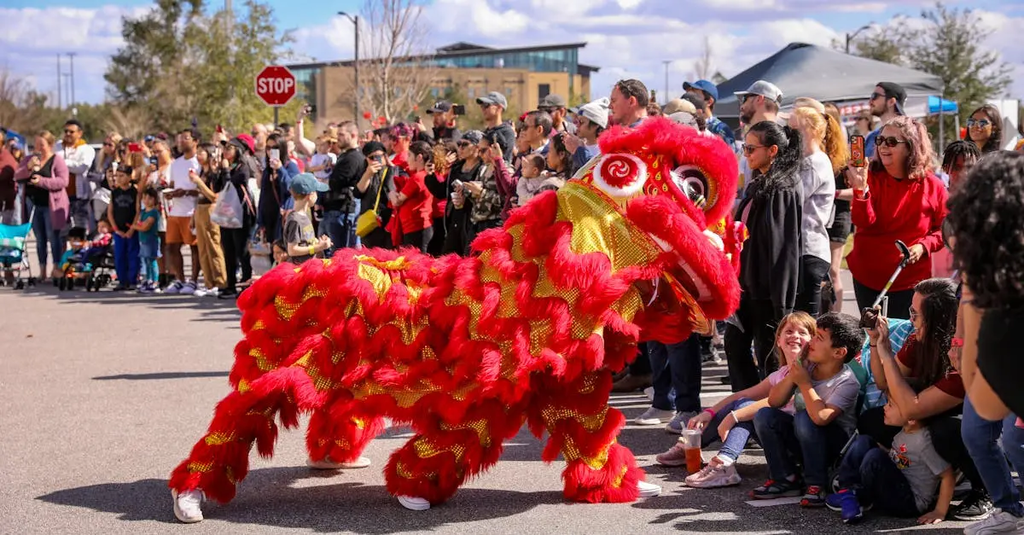
- Identify common Lunar New Year customs such as family reunions, fireworks, and symbolic foods, and note regional variations in China, Vietnam, and nearby cultures.
- Compare Solar New Year celebrations on January 1, including secular traditions like countdowns and New Year’s resolutions that are widely observed across many cultures.
- Contrast the symbolism and celebration duration: Lunar New Year often emphasizes luck and zodiac symbols and spans multiple days, whereas Solar New Year centers on renewal on a single date with shorter, global festivities.
❓ Frequently Asked Questions
What is the main calendar difference between Lunar New Year and Solar New Year?
Lunar New Year follows the lunar calendar (months based on moon cycles) and marks the start of a lunar year, while Solar New Year uses the solar Gregorian calendar and begins on January 1.
Which regions are most associated with Lunar New Year traditions?
Lunar New Year is prominently celebrated in China, Vietnam, and many other East and Southeast Asian communities.
What are common Lunar New Year customs?
Family reunions, fireworks, symbolic foods, and giving red envelopes or lucky gifts are typical Lunar New Year traditions.
When is Solar New Year celebrated and what calendar is it based on?
January 1, based on the Gregorian solar calendar, serving as the fixed start of the new year in many countries.