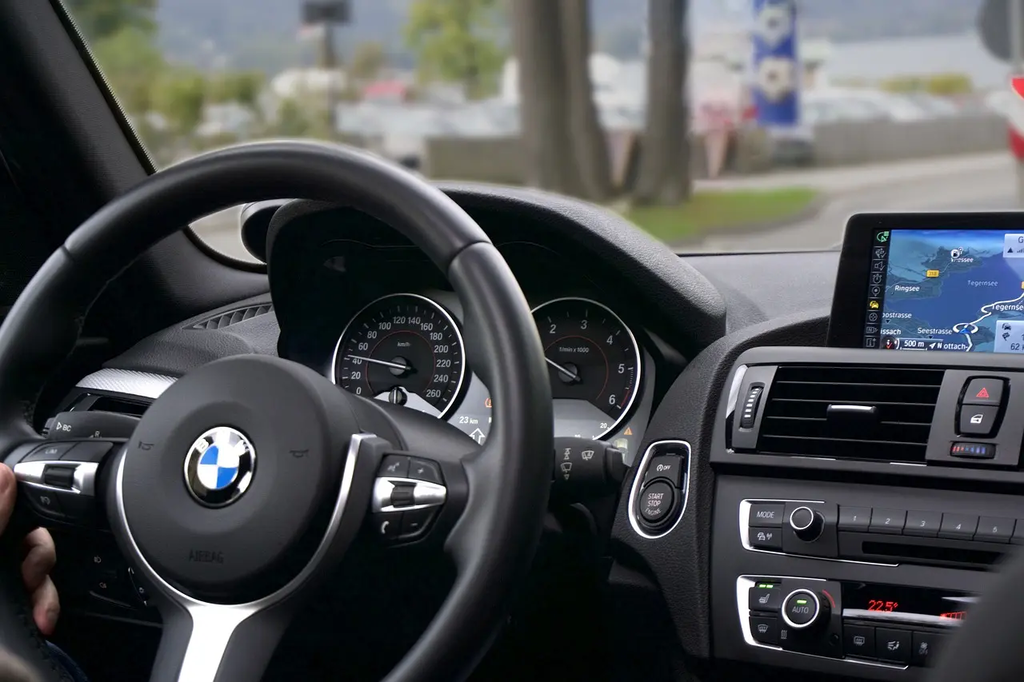
Luxury car brand challenges refer to the competitive landscape among high-end automobile manufacturers, where companies strive to distinguish themselves through superior design, performance, and exclusivity. Car logos play a crucial role in this competition, serving as powerful symbols of prestige, heritage, and innovation. These brands face constant pressure to maintain their luxurious image, adapt to changing consumer preferences, and integrate cutting-edge technology while preserving the unique identity represented by their iconic logos.
Luxury Car Brand Challenges
Luxury car brand challenges refer to the competitive landscape among high-end automobile manufacturers, where companies strive to distinguish themselves through superior design, performance, and exclusivity. Car logos play a crucial role in this competition, serving as powerful symbols of prestige, heritage, and innovation. These brands face constant pressure to maintain their luxurious image, adapt to changing consumer preferences, and integrate cutting-edge technology while preserving the unique identity represented by their iconic logos.
💡 Key Takeaways
- Identify the main challenges luxury car brands face in maintaining exclusivity while growing sales.
- Understand how electrification, advanced technology, and sustainability affect product strategy and pricing.
- Recognize how craftsmanship, service, and brand storytelling differentiate luxury automakers.
- Explore market dynamics, competition, and regulatory factors impacting the global luxury car industry.
❓ Frequently Asked Questions
What unique challenges do luxury car brands face compared to mass-market brands?
They must balance exclusivity with growing demand, control distribution, and sustain premium pricing through limited editions, brand storytelling, and exceptional service.
How does the transition to electric vehicles affect luxury car brands?
It requires new platform engineering, costly battery tech, maintaining performance and driving feel, expanding charging networks, and navigating supply-chain constraints for high-end components.
Why is customer experience pivotal for luxury brands?
A personalized, high-touch ownership journey drives loyalty and justifies premium pricing; this includes bespoke options, premium service, and exclusive events.
What regulatory and geopolitical factors impact luxury car brands?
Emissions standards, tariffs, trade restrictions, and data/sustainability reporting affect product design, pricing, and market access.