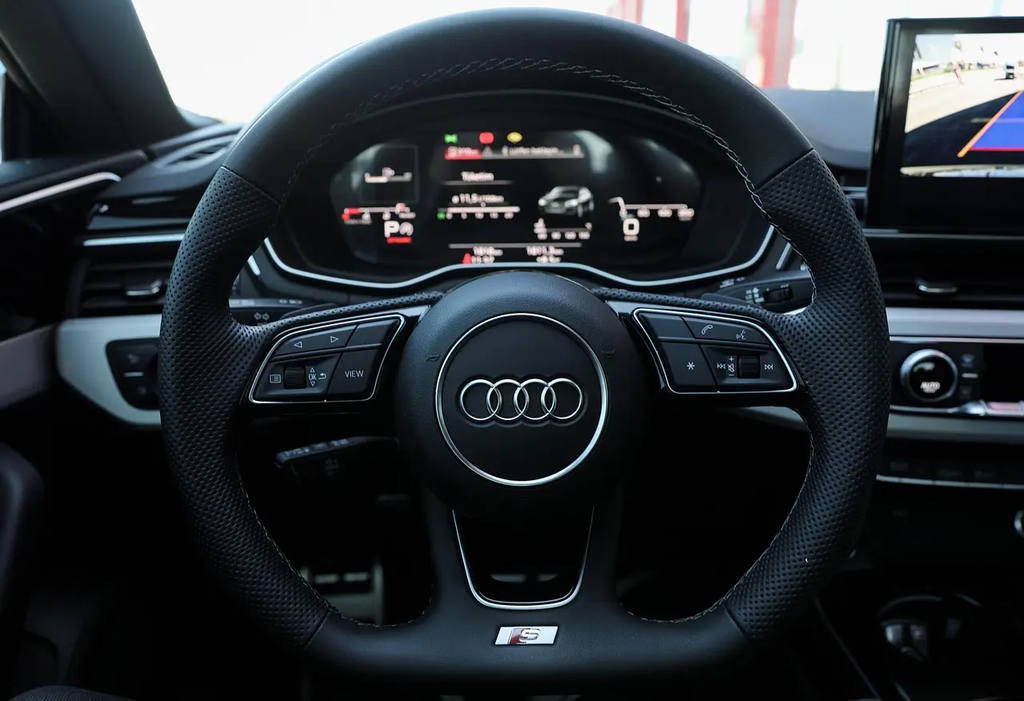
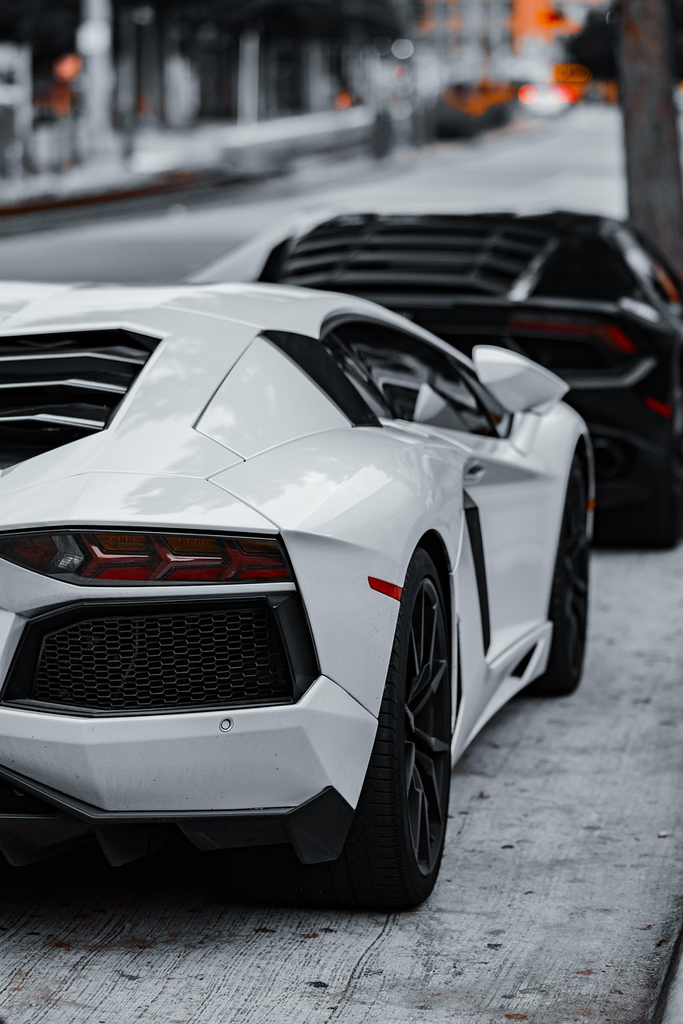
Luxury car brand innovations encompass advancements in design, technology, and comfort, often symbolized by iconic car logos representing prestige and exclusivity. These brands continuously push boundaries with cutting-edge features such as autonomous driving, eco-friendly materials, and personalized experiences. Their logos, like the Mercedes-Benz star or Rolls-Royce’s double R, evoke a sense of luxury and heritage, reinforcing their commitment to excellence and setting them apart in the competitive automotive market.
Luxury Car Brand Innovations
Luxury car brand innovations encompass advancements in design, technology, and comfort, often symbolized by iconic car logos representing prestige and exclusivity. These brands continuously push boundaries with cutting-edge features such as autonomous driving, eco-friendly materials, and personalized experiences. Their logos, like the Mercedes-Benz star or Rolls-Royce’s double R, evoke a sense of luxury and heritage, reinforcing their commitment to excellence and setting them apart in the competitive automotive market.
💡 Key Takeaways
- Identify the key innovations that define luxury car brands, including advances in tech, performance, and design.
- Explain how premium interiors, ergonomics, and infotainment elevate the driver and passenger experience.
- Understand how materials, craftsmanship, and sustainability choices shape luxury branding.
- Compare how luxury brands approach electrification, powertrains, and advanced safety and driver-assistance technology.
❓ Frequently Asked Questions
What counts as an innovation in a luxury car brand?
Innovations are new features, systems, or processes that enhance performance, comfort, safety, efficiency, or prestige, typically unique to premium automakers.
What powertrain innovations are common in luxury brands?
Common innovations include hybrid and electric architectures, plug-in options, high-performance engines, advanced torque-vectoring systems, and regenerative braking.
How do luxury brands innovate with materials and construction?
They use lightweight, strong materials (like carbon fiber and aluminum) in multi-material architectures, plus active aerodynamics, improved sound insulation, and enhanced ride quality.
What software and digital innovations distinguish luxury car brands?
They emphasize over-the-air updates, advanced infotainment and connectivity, AI-driven personalization, sophisticated driver-assistance features, and remote diagnostics.