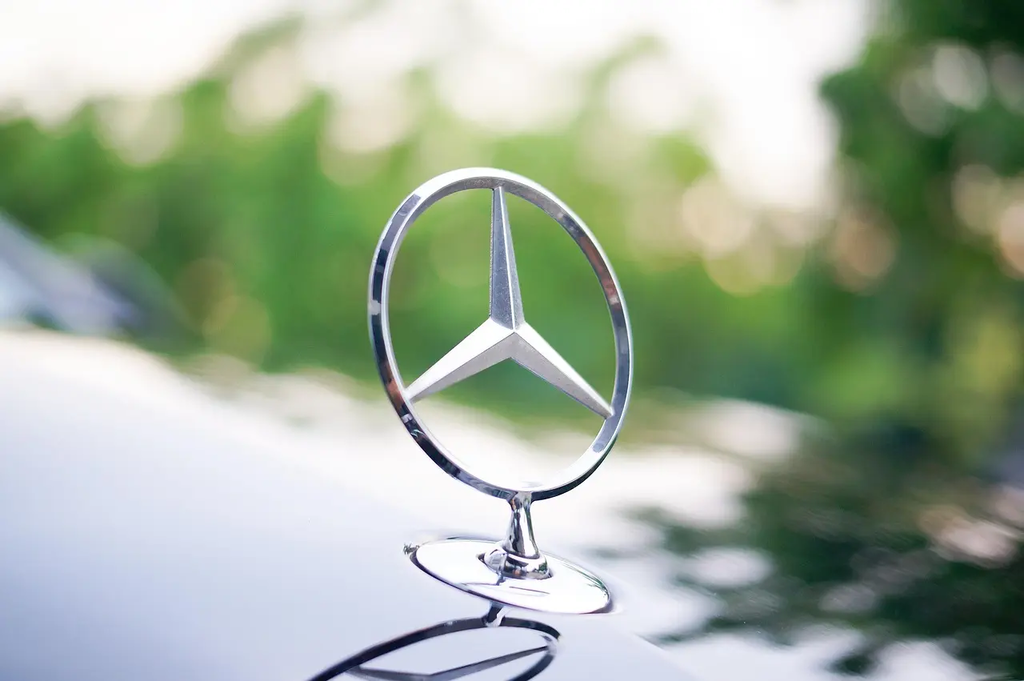
Luxury Car Brand Leadership refers to the dominance and influence of certain premium automobile manufacturers in the global market. These brands, often symbolized by iconic logos like Mercedes-Benz’s three-pointed star or Rolls-Royce’s double R, set industry standards for quality, innovation, and prestige. Their logos not only represent engineering excellence and exclusivity but also serve as powerful status symbols, reinforcing the allure and desirability associated with luxury vehicles.
Luxury Car Brand Leadership
Luxury Car Brand Leadership refers to the dominance and influence of certain premium automobile manufacturers in the global market. These brands, often symbolized by iconic logos like Mercedes-Benz’s three-pointed star or Rolls-Royce’s double R, set industry standards for quality, innovation, and prestige. Their logos not only represent engineering excellence and exclusivity but also serve as powerful status symbols, reinforcing the allure and desirability associated with luxury vehicles.
💡 Key Takeaways
- Understand how luxury car brands define leadership through design, performance, and customer experience.
- Learn how premium automakers differentiate with design language, craftsmanship, and technology leadership.
- Explore strategies for delivering exceptional experiences across sales, service, and ownership.
- Examine brand positioning, pricing, and heritage storytelling to sustain premium appeal.
❓ Frequently Asked Questions
What defines leadership in the luxury car brand space?
It means a brand sets benchmarks in design, performance, craftsmanship, technology, and customer experience, while maintaining strong brand equity and innovation.
What factors help luxury brands stay ahead of the competition?
Heritage and distinctive design, driving performance, cutting‑edge technology (EVs, safety tech, connectivity), meticulous craftsmanship, premium service, and a global brand presence.
How do leading luxury brands differentiate themselves?
They emphasize unique value propositions: e.g., Mercedes‑Benz for comfort and safety, BMW for dynamic driving, Audi for tech and modern styling, Lexus for reliability, Rolls‑Royce for bespoke ultra‑luxury, Ferrari for extreme performance.
What role does customer experience play in brand leadership?
A seamless, personalized ownership journey—from showroom to service—builds loyalty and prestige, reinforcing leadership through trust and positive word-of-mouth.