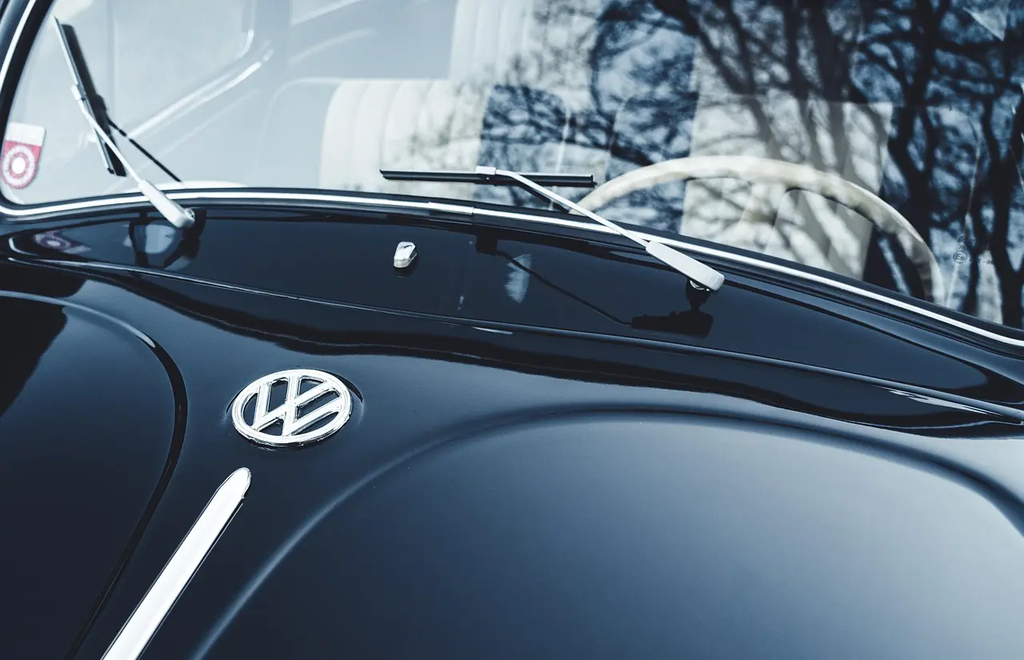
Luxury car logo features typically include elegant design elements, such as sleek lines, metallic finishes, and refined typography, to convey prestige and exclusivity. These logos often incorporate symbols or initials that reflect the brand’s heritage and sophistication. Attention to detail and minimalism are common, emphasizing quality and status. Iconic examples like the Mercedes-Benz star or Rolls-Royce’s double R exemplify how luxury car logos communicate opulence and brand identity at a glance.
Luxury Car Logo Features
Luxury car logo features typically include elegant design elements, such as sleek lines, metallic finishes, and refined typography, to convey prestige and exclusivity. These logos often incorporate symbols or initials that reflect the brand’s heritage and sophistication. Attention to detail and minimalism are common, emphasizing quality and status. Iconic examples like the Mercedes-Benz star or Rolls-Royce’s double R exemplify how luxury car logos communicate opulence and brand identity at a glance.
💡 Key Takeaways
- Identify common luxury car logo design cues such as crests, circular emblems, symmetry, and premium finishes.
- Explain how logo design reflects a brand's heritage, craftsmanship, and sense of exclusivity.
- Understand how color, typography, and materials (gold, chrome, enamel) influence perceived luxury in car logos.
- Compare iconic luxury car logos and interpret the symbolism behind their motifs (e.g., rings, stars, horses, wings) to decode brand identity.
❓ Frequently Asked Questions
What visual elements typically signal a luxury car logo?
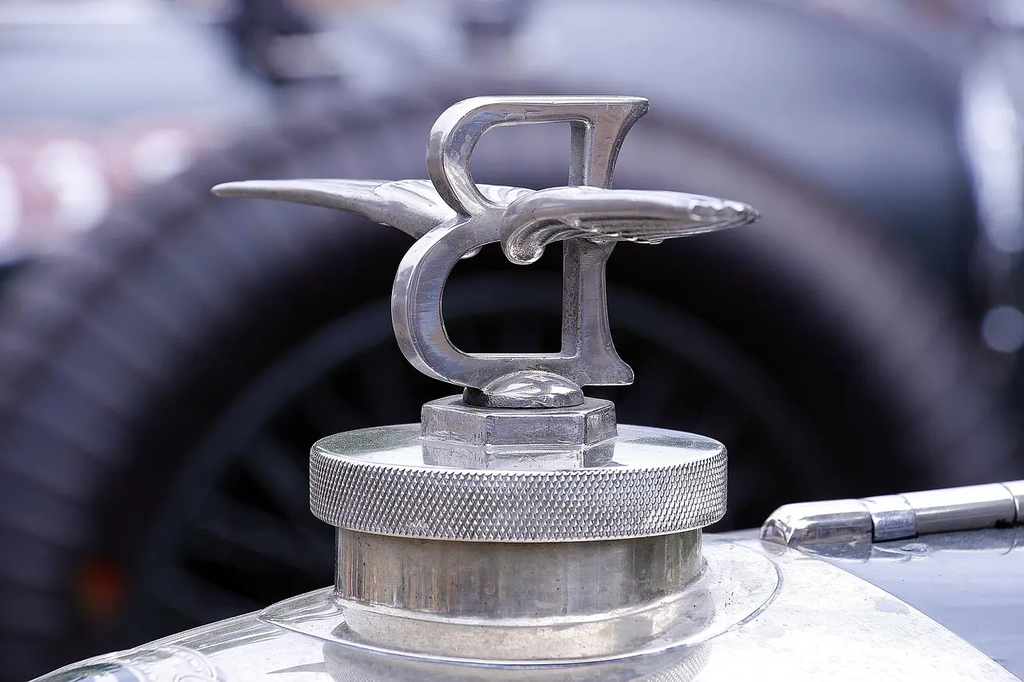
Common signals include heraldic shapes (crests or shields), wings, animal mascots, initials or monograms, and a restrained, high‑quality finish (often metallic or enamel).
Which emblem styles are commonly used by luxury car brands?
Crest/shield emblems, winged motifs, circular rings, and initials/monograms are frequent; luxury logos favor simple, iconic marks over wordy logotypes.
How does color or finish affect the perception of a luxury car logo?
Muted palettes (black, silver, gold) or single-tone designs with chrome or gloss finishes convey sophistication and timeless luxury.
What design traits help identify a logo as belonging to a high-end automotive brand?
Timeless, minimal design with symmetry, high-quality rendering, and cues to heritage (crest, wings, or monogram) signal luxury.