The phrase refers to the historical events when the Maccabees, a group of Jewish rebels, reclaimed the desecrated Second Temple in Jerusalem from Greek-Syrian rule. After their victory, they rededicated the Temple, an act commemorated by the festival of Hanukkah. Central to Hanukkah is the miracle of the oil: although there was only enough consecrated oil to light the Temple’s menorah for one day, it miraculously lasted eight days.
Maccabees, Temple Rededication, and Hanukkah Miracles
The phrase refers to the historical events when the Maccabees, a group of Jewish rebels, reclaimed the desecrated Second Temple in Jerusalem from Greek-Syrian rule. After their victory, they rededicated the Temple, an act commemorated by the festival of Hanukkah. Central to Hanukkah is the miracle of the oil: although there was only enough consecrated oil to light the Temple’s menorah for one day, it miraculously lasted eight days.
💡 Key Takeaways
- Learn who the Maccabees were and the revolt that led to reclaiming the Second Temple from Greek-Syrian rule.
- Understand the rededication of the Temple and its significance in Jewish history and Hanukkah.
- Learn about the Hanukkah miracle of the oil lasting eight days and how it inspired the holiday's traditions.
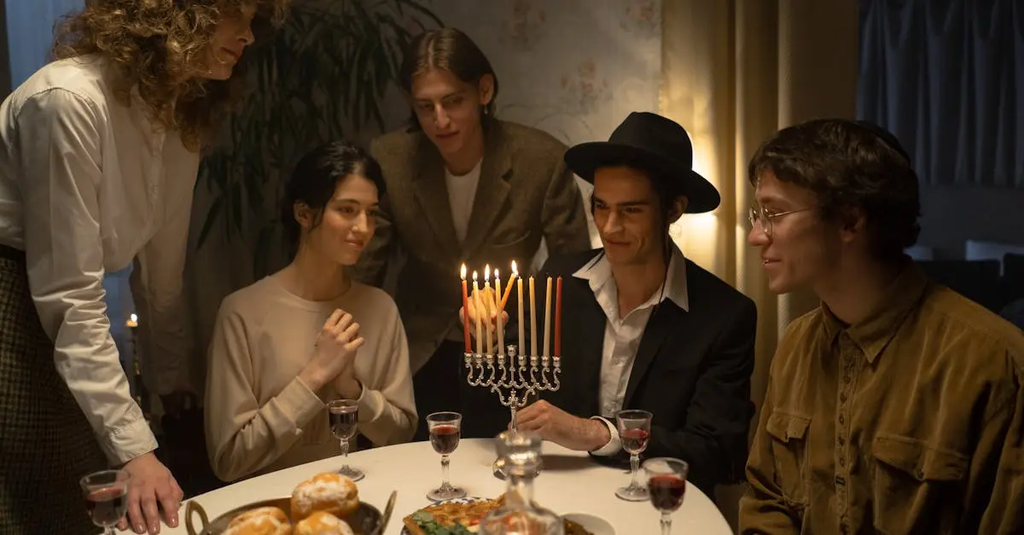
- Recognize common Hanukkah practices (menorah lighting, dreidel, latkes) and how they reflect the festival's historical themes.
❓ Frequently Asked Questions
Who were the Maccabees and what did they do?
A Jewish rebel group led by Judas Maccabeus who defeated the Greek-Syrian rulers, reclaimed the desecrated Second Temple, and initiated its rededication.
What event does Hanukkah commemorate?
The rededication of the Second Temple in Jerusalem after the Maccabean revolt against Greek-Syrian rule.
What is the Hanukkah miracle at the heart of the holiday?
The miracle of the oil: a small amount of holy oil lasted eight days to keep the Temple menorah lit.
How long does Hanukkah last and how is it observed?
Eight days; families light the menorah each night, recite blessings, and share traditional foods and games.
When did the events take place historically?
In the 2nd century BCE, around 164 BCE, during the Maccabean revolt against the Seleucid Empire.