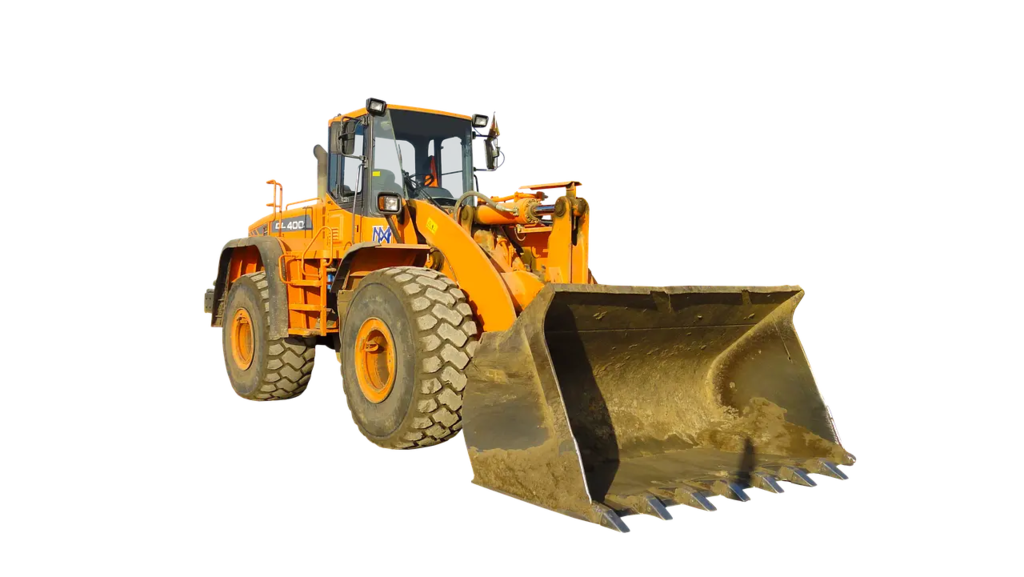
Machine Guidance and BIM-to-Field Layout are digital applications that enhance construction efficiency by integrating Building Information Modeling (BIM) data directly with on-site equipment and layout processes. Machine guidance uses digital models to automate and guide machinery for precise execution, while BIM-to-field layout transfers design information to the field, enabling accurate positioning and installation. Together, they improve accuracy, reduce errors, and streamline construction workflows through real-time, data-driven operations.
Machine Guidance and BIM-to-Field Layout
Machine Guidance and BIM-to-Field Layout are digital applications that enhance construction efficiency by integrating Building Information Modeling (BIM) data directly with on-site equipment and layout processes. Machine guidance uses digital models to automate and guide machinery for precise execution, while BIM-to-field layout transfers design information to the field, enabling accurate positioning and installation. Together, they improve accuracy, reduce errors, and streamline construction workflows through real-time, data-driven operations.
💡 Key Takeaways
- Understand how machine guidance uses BIM data to drive field layout and earthmoving operations.
- Learn the BIM-to-field workflow: from the digital model to machine control data and on-site guidance.
- Compare machine-guided layout with traditional stake-out in terms of accuracy, speed, and rework risk.
- Identify the data and technology requirements for successful machine guidance, including georeferenced BIM, machine control codes, GNSS/RTK, and scanners.
- Recognize common challenges and best practices for implementation, including model quality, interoperability, and QA/QC practices.
❓ Frequently Asked Questions
What is machine guidance in construction?
A technology that uses sensors (GPS/GNSS, total stations, lasers) and software to automatically steer or guide heavy equipment to match the design in BIM or CAD.
What is BIM-to-field layout?
The process of converting BIM design data into on-site layout instructions and machine-control files so field crews can place features accurately in real-world coordinates.
How do BIM, field layout, and machine guidance work together?
BIM provides the design geometry; field layout places that geometry on site; machine guidance uses the data to steer equipment in real time, reducing stakeouts and rework.
What are the main benefits and common challenges?
Benefits include higher accuracy, faster completion, and less rework. Challenges include data interoperability, keeping models and field data synchronized, and training requirements.