Major social platforms are digital spaces where users interact, share content, and build communities. Key examples include Facebook for social networking, Instagram for photo and video sharing, Twitter for real-time updates, LinkedIn for professional networking, and TikTok for short-form videos. Each platform caters to different audiences and purposes, shaping online communication, marketing strategies, and cultural trends globally. Their influence extends to news, entertainment, and business engagement.
Major Social Platforms Overview
Major social platforms are digital spaces where users interact, share content, and build communities. Key examples include Facebook for social networking, Instagram for photo and video sharing, Twitter for real-time updates, LinkedIn for professional networking, and TikTok for short-form videos. Each platform caters to different audiences and purposes, shaping online communication, marketing strategies, and cultural trends globally. Their influence extends to news, entertainment, and business engagement.
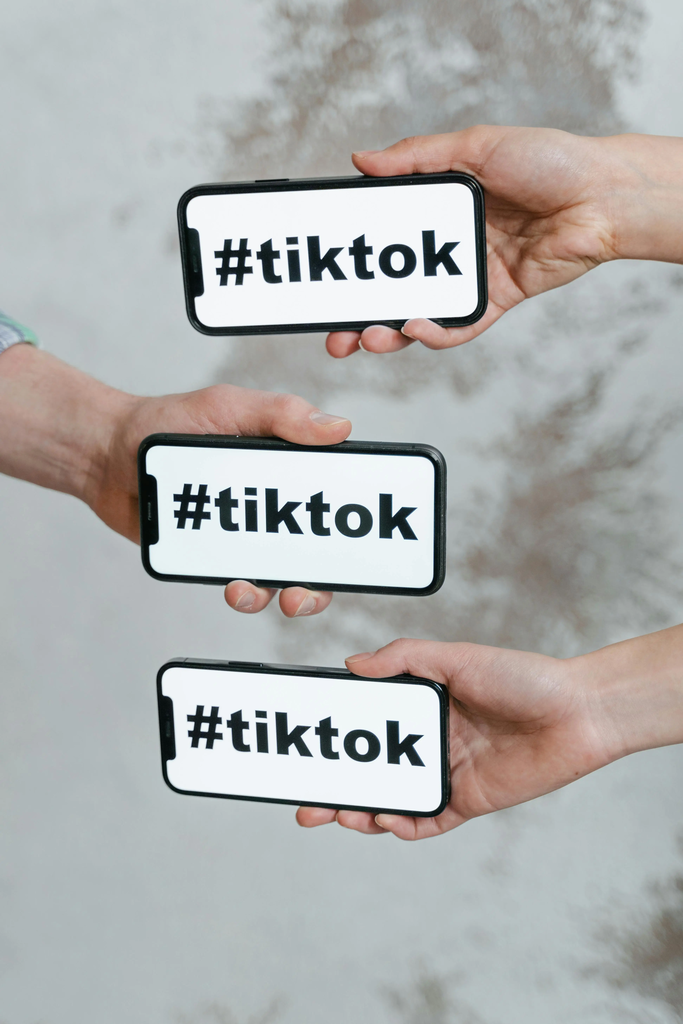
💡 Key Takeaways
- Identify the primary purposes of Facebook, Instagram, Twitter, LinkedIn, and TikTok.
- Compare common content formats (text posts, photos, and short videos) and typical interactions (like, comment, share).
- Explain how each platform supports social networking, professional networking, or creator communities.
- Note privacy, safety, and etiquette considerations when using major platforms.
❓ Frequently Asked Questions
What are major social platforms?
They are digital spaces where users connect, share content, and form communities. Examples include Facebook (social networking), Instagram (photo/video sharing), Twitter (real-time updates), LinkedIn (professional networking), and TikTok (short-form videos).
Which platform is best for professional networking?
LinkedIn is designed for professional connections, job searching, and industry insights.
How do Instagram and TikTok differ in content style?
Instagram centers on photo and video sharing across feeds, stories, and reels; TikTok specializes in short-form, entertaining videos created to match trends.
What is Twitter primarily used for?
Twitter is used for real-time updates, quick posts, and conversations around news, trends, and opinions.
What features make Facebook useful for communities?
Facebook combines profiles, friends, groups, events, and content sharing to connect people and organize around shared interests.