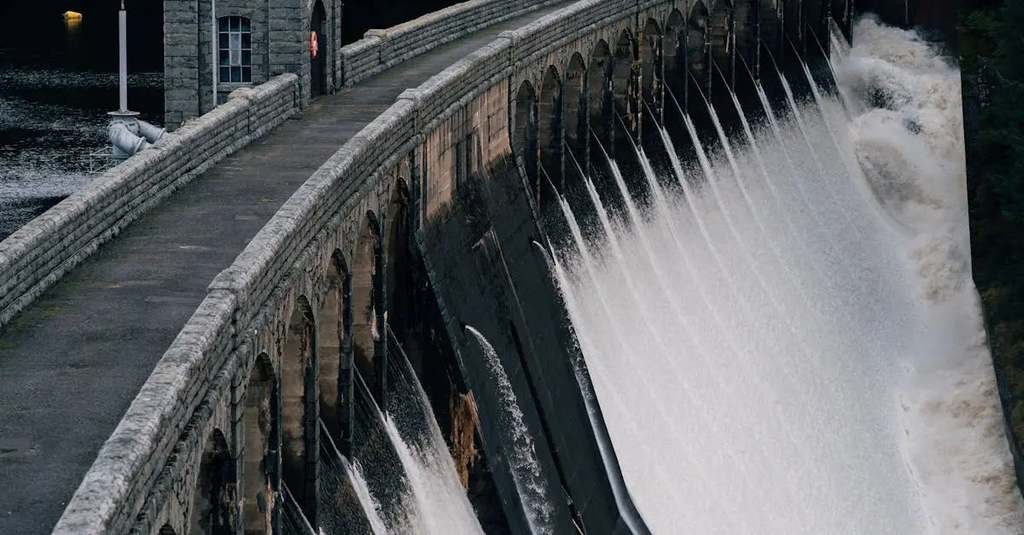
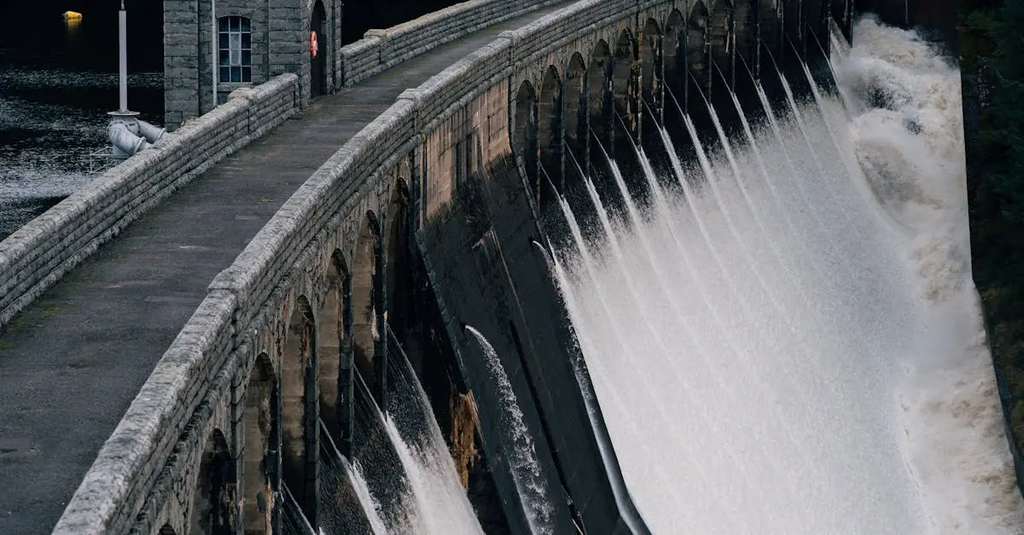
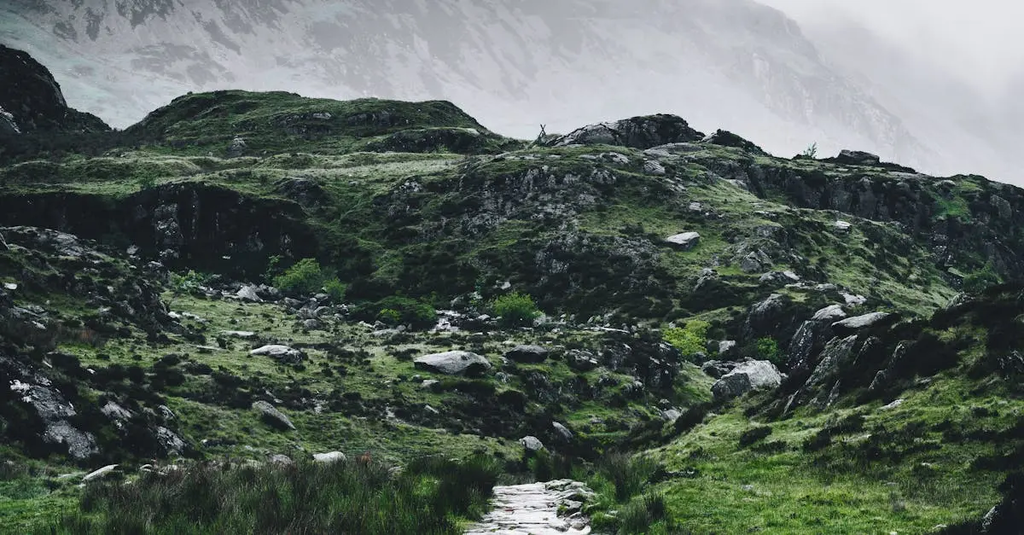
Major UK rivers are significant waterways that flow across the United Kingdom, shaping its landscape and supporting ecosystems, communities, and industries. Notable examples include the Thames, Severn, Trent, Mersey, Clyde, and Tyne. These rivers have historically served as vital transport routes, sources of water, and centers for settlements. They contribute to agriculture, recreation, and energy production, playing a crucial role in the country’s geography, economy, and cultural heritage.
Major UK rivers+50
Major UK rivers are significant waterways that flow across the United Kingdom, shaping its landscape and supporting ecosystems, communities, and industries. Notable examples include the Thames, Severn, Trent, Mersey, Clyde, and Tyne. These rivers have historically served as vital transport routes, sources of water, and centers for settlements. They contribute to agriculture, recreation, and energy production, playing a crucial role in the country’s geography, economy, and cultural heritage.
💡 Key Takeaways
- Name major UK rivers and the regions they flow through (Thames, Severn, Trent, Mersey, Clyde, Tyne).
- Explain how these rivers have shaped landscapes, ecosystems, and local economies (transport, industry, water supply).
- Describe key river features in the UK (drainage basins, estuaries, floodplains) and how they influence navigation and flood risk.
- Recognize the historical role of rivers as transport and trade routes during Britain's industrial era.
❓ Frequently Asked Questions
What makes a river a 'major' UK river?
A major river is long or has a large drainage basin and significant historical, economic, or ecological importance within the UK.
Which rivers are commonly regarded as major UK rivers?
Examples include the Thames, Severn, Trent, Mersey, Clyde, and Tyne.
How have UK rivers shaped transport and industry?
Rivers have served as routes for trade, powered mills and factories, and supported shipbuilding and town development along their banks.
Through which regions do these rivers flow?
Thames: southern England (to London); Severn: Wales and western England (to the Bristol Channel); Trent: Midlands (to the Humber); Mersey: northwest England (to the Irish Sea); Clyde: western Scotland (to the Firth of Clyde); Tyne: northeast England (to the North Sea).
What ecological and community roles do these rivers have today?
They support wildlife habitats, provide water for towns and agriculture, and continue to shape landscapes and local communities.