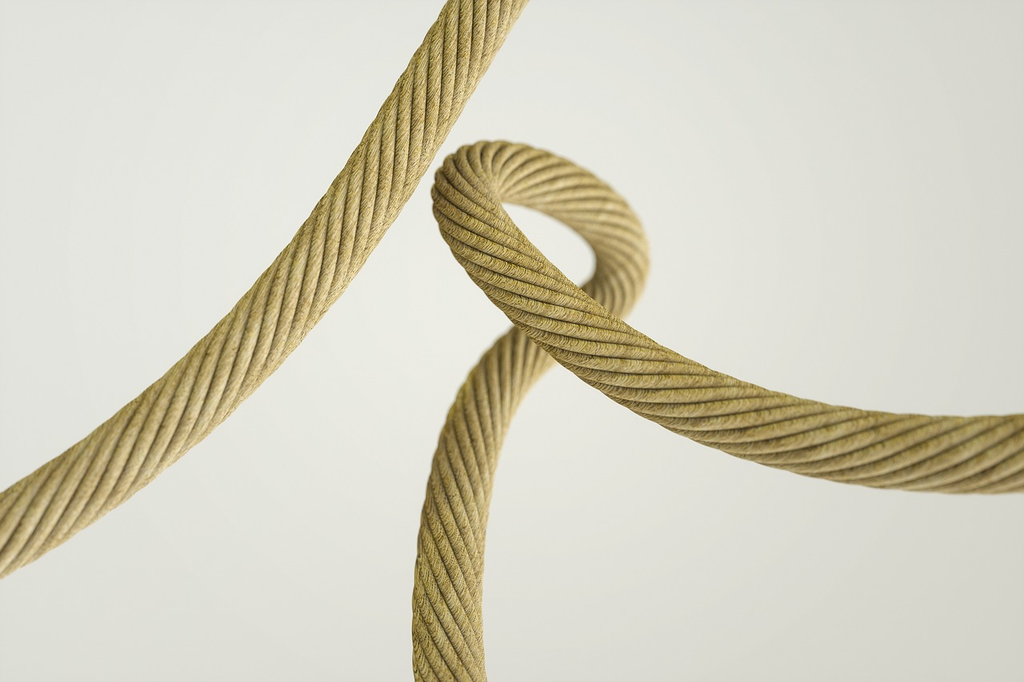
Making rope from natural fibers involves gathering plant materials such as vines, grasses, or bark, then processing them by stripping, twisting, and braiding to create strong, flexible cordage. This skill is vital in survival situations for building shelters, crafting tools, or setting traps. Survival stories often highlight this technique as a testament to resourcefulness and adaptability, showcasing how ancient knowledge and ingenuity can provide essential solutions in challenging environments.
Making Rope from Natural Fibers
Making rope from natural fibers involves gathering plant materials such as vines, grasses, or bark, then processing them by stripping, twisting, and braiding to create strong, flexible cordage. This skill is vital in survival situations for building shelters, crafting tools, or setting traps. Survival stories often highlight this technique as a testament to resourcefulness and adaptability, showcasing how ancient knowledge and ingenuity can provide essential solutions in challenging environments.
💡 Key Takeaways
- Identify common natural fibers used for rope (e.g., hemp, sisal, jute, flax) and their key strengths and limitations.
- Describe the basic rope-making process: preparing fibers, spinning into yarn, and twisting into a laid or braided rope.
- Explain how rope construction (laid vs. braided) and twist direction affect strength and usability.
- Know essential safety and maintenance tips for natural-fiber rope, including inspection and proper storage.
❓ Frequently Asked Questions
What are natural fibers commonly used to make rope?
Common natural fibers include hemp, jute, sisal, flax (linen), cotton, and coconut coir; abaca is also used for strong cords.
How is rope made from natural fibers?
Fibers are prepared and spun into yarn or strands, then twisted together to form rope (3-strand is common). Some ropes are braided instead of twisted.
What is the difference between twisted (laid) rope and braided rope?
Twisted rope is made by twisting fibers into strands and then twisting those strands together; braided rope is formed by interweaving strands. Twisted rope is typically stronger along its length, while braided rope is smoother and more flexible.
What do 'lay' and 'twist' mean in rope making?
Twist describes the direction a strand is spun (often S- or Z-twist). Lay is the overall direction of the rope's twist. These affect knotting, handling, and load behavior.