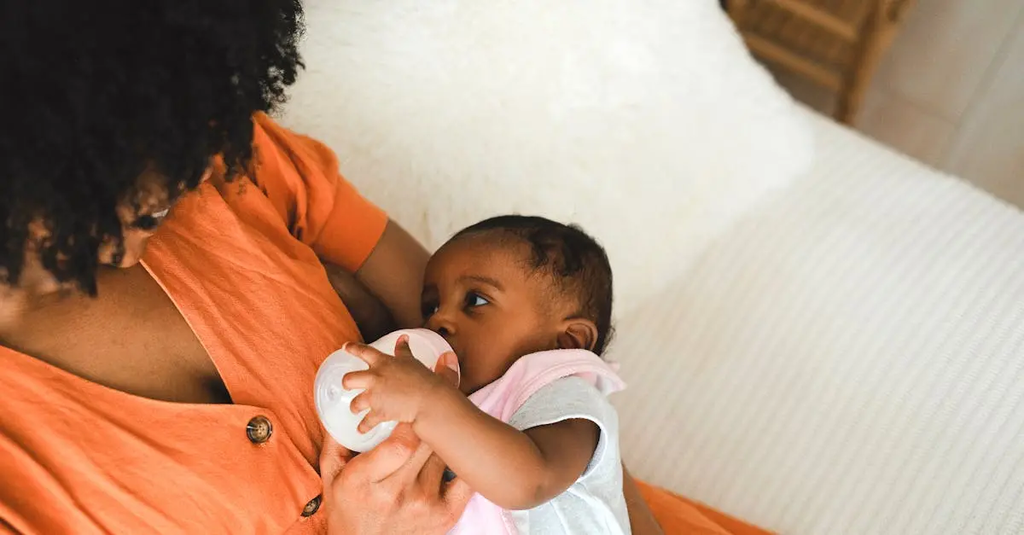
Managing protest vs distress at night during child nutrition and night weaning involves distinguishing between a child’s resistance to change (protest) and genuine emotional or physical discomfort (distress). Effective management requires responding sensitively: offering comfort and reassurance during distress, but allowing brief, age-appropriate protests to help the child adjust to new feeding routines. Recognizing these differences helps caregivers support healthy sleep and nutritional habits while maintaining emotional security.
Managing protest vs distress at night
Managing protest vs distress at night during child nutrition and night weaning involves distinguishing between a child’s resistance to change (protest) and genuine emotional or physical discomfort (distress). Effective management requires responding sensitively: offering comfort and reassurance during distress, but allowing brief, age-appropriate protests to help the child adjust to new feeding routines. Recognizing these differences helps caregivers support healthy sleep and nutritional habits while maintaining emotional security.
💡 Key Takeaways
- Differentiate protest-related risks from personal distress cues at night to respond safely.
- Apply simple de-escalation and calm communication techniques to reduce tension during nighttime events.
- Create a personal night-safety plan with clear routes, meeting points, and exit strategies.
- Recognize signs of acute distress or crisis and know how to seek help from organizers, security, or emergency services.
- Know when to disengage and seek support after a nighttime incident to protect safety and well-being.
❓ Frequently Asked Questions
What is the difference between protest and distress at night?
Protest is intentional, often organized expression of a grievance (signs, chants, banners). Distress is emotional or physical suffering (fear, sadness, confusion) that may appear as agitation or withdrawal and is not about a specific cause.
Which signs are more typical of distress at night than protest?
Uncoordinated behavior, crying or shouting for help, trembling, disorientation, inability to calm down, or seeking immediate assistance rather than conveying a message.
How should you respond safely if you encounter distress or protest at night?
Prioritize safety, approach calmly and slowly, use a respectful, nonjudgmental tone, ask if they’re OK, offer help or a quiet space, and connect them with appropriate resources. If there’s imminent danger, contact emergency services.
When should you involve authorities or professionals?
If there is immediate danger to themselves or others, signs of self-harm or harm to others, or if basic needs can’t be met, seek help from authorities or crisis services.