Manual transmission fundamentals refer to the basic principles and operation of a vehicle’s manual gearbox system. Drivers manually select gears using a clutch pedal and gear stick, allowing direct control over engine power and speed. Mastery involves understanding gear ratios, synchronizing engine and wheel speeds, and smoothly engaging or disengaging the clutch. This system offers greater driver involvement, improved fuel efficiency, and enhanced vehicle control compared to automatic transmissions.
Manual Transmission Fundamentals
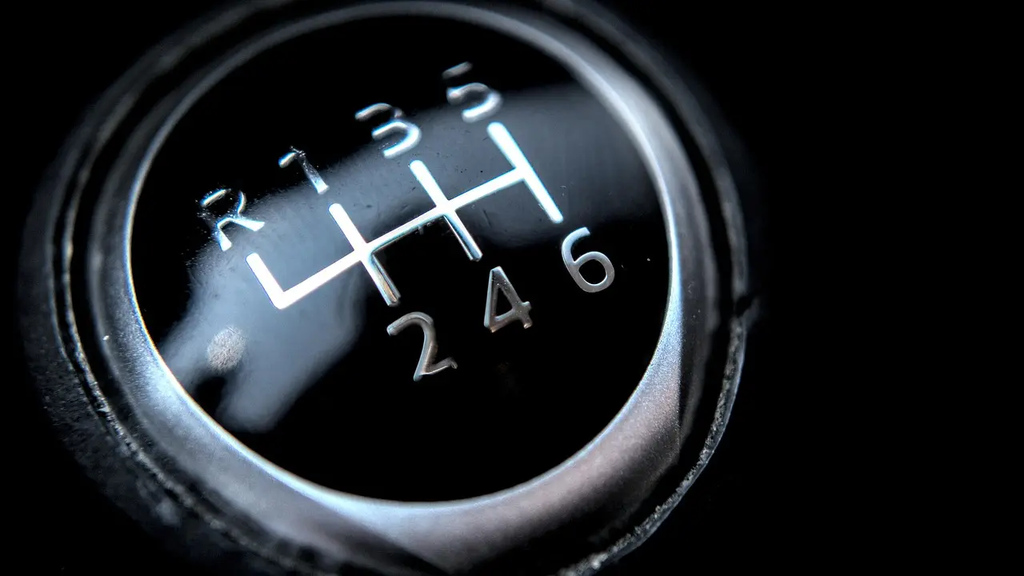
Manual transmission fundamentals refer to the basic principles and operation of a vehicle’s manual gearbox system. Drivers manually select gears using a clutch pedal and gear stick, allowing direct control over engine power and speed. Mastery involves understanding gear ratios, synchronizing engine and wheel speeds, and smoothly engaging or disengaging the clutch. This system offers greater driver involvement, improved fuel efficiency, and enhanced vehicle control compared to automatic transmissions.
💡 Key Takeaways
- Understand how the clutch pedal and gear stick connect the engine to the drivetrain to control power.
- Learn how gear ratios influence engine RPM, acceleration, and fuel efficiency, and when to shift up or down.
- Master smooth clutch control and gear engagement (finding the bite point, easing off the clutch) to avoid stalls and grinding.
- Know how to choose gears for different situations (start, stop-and-go, uphill, cruising) to optimize performance and safety.
❓ Frequently Asked Questions
What is a manual transmission?
A gearbox you operate with a clutch and gear lever to select gears yourself, giving direct control over engine power and speed.
How do you start a manual car and move from a stop?
Press the clutch, start the engine, shift into first gear, then slowly release the clutch while applying light throttle to move forward.
What is rev matching and why is it important?
Rev matching is adjusting engine RPM to match wheel speed when downshifting, producing smoother shifts and reducing drivetrain wear.
How do you know when to shift up or down?
Shift up as the engine reaches a safe mid-range RPM and acceleration is sufficient; shift down when you need more torque or the engine is lugging.
How do you perform a hill start with a manual transmission?
Engage the parking brake, engage the clutch to the bite point, then release the parking brake and apply throttle gradually to move without rolling back.