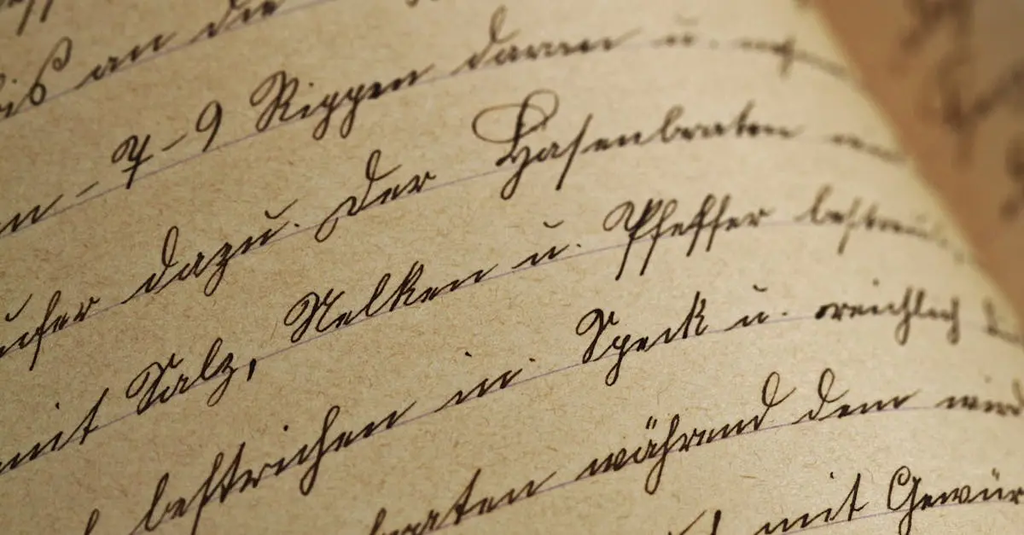
Manuscripts are handwritten documents, often created before the invention of the printing press. Codices refer to ancient books made from pages bound together, replacing earlier scroll formats. Paleography is the study of ancient and historical handwriting, helping scholars read, date, and interpret manuscripts and codices. Together, these terms encompass the preservation, analysis, and understanding of written records from past civilizations, providing valuable insights into history, culture, and language development.
Manuscripts, Codices & Paleography
Manuscripts are handwritten documents, often created before the invention of the printing press. Codices refer to ancient books made from pages bound together, replacing earlier scroll formats. Paleography is the study of ancient and historical handwriting, helping scholars read, date, and interpret manuscripts and codices. Together, these terms encompass the preservation, analysis, and understanding of written records from past civilizations, providing valuable insights into history, culture, and language development.
💡 Key Takeaways
- What manuscripts are and how they were created before printing.
- What codices are and how they differ from scrolls as an ancient book form.
- The basics of paleography: reading, dating, and interpreting historical handwriting.
- Common features of ancient scripts and typical scribal practices found in manuscripts.
❓ Frequently Asked Questions
What is a manuscript?
A handwritten document created before the printing press, often written on parchment, vellum, or paper and copied by scribes.
What is a codex?
An ancient book made of bound pages, replacing scrolls and making it easier to navigate by chapters and sections.
What is paleography?
The study of historical handwriting, used to read, date, and interpret old texts.
How can paleography help date and locate a manuscript?
By analyzing handwriting styles, scripts, materials, and contextual clues like marginalia or colophons to place the text in a historical setting.