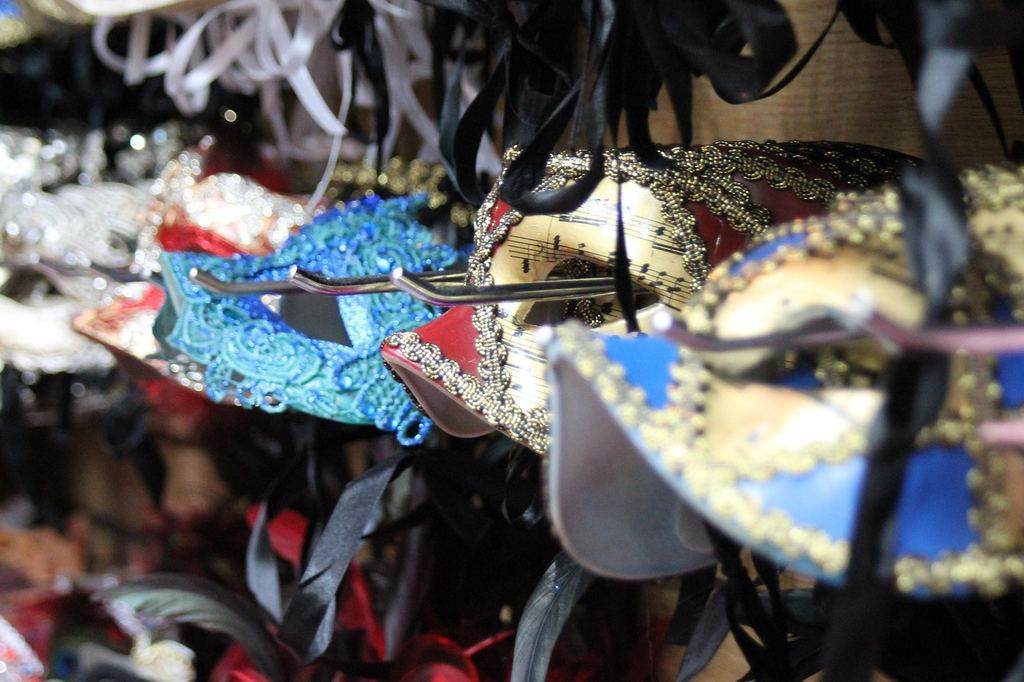
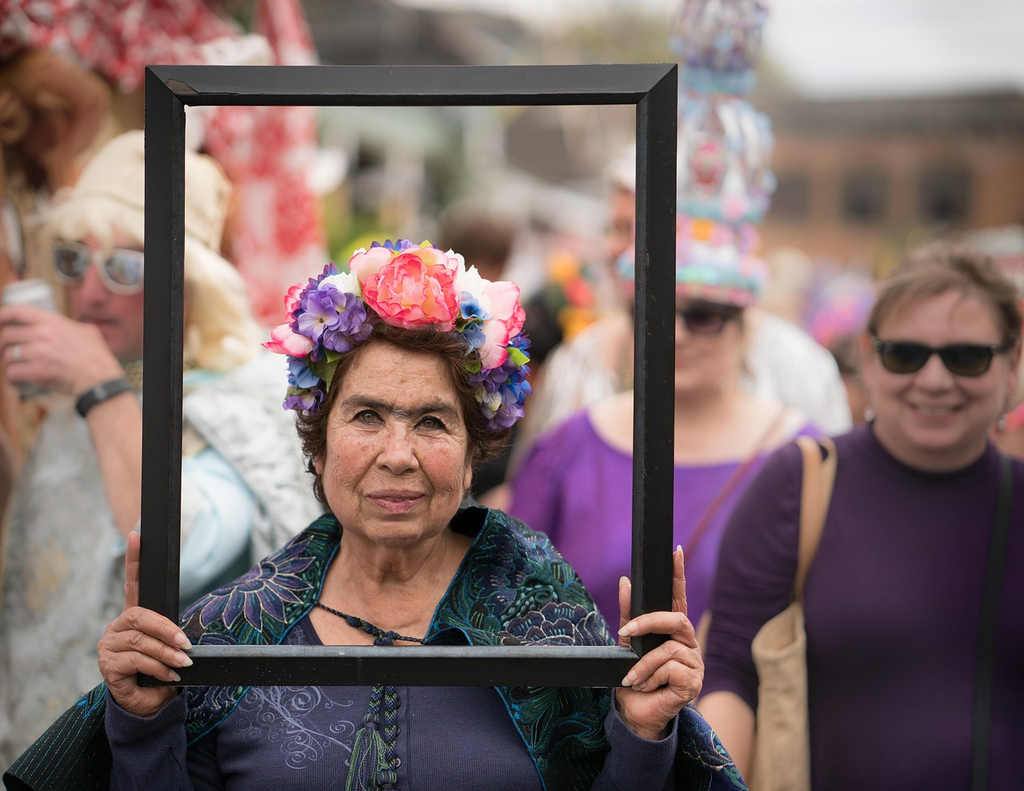
Mardi Gras and Carnival refer to festive celebrations held before the Christian season of Lent, with Mardi Gras meaning "Fat Tuesday" in French. These events are famous for vibrant parades, elaborate costumes, music, and dancing. While Carnival is celebrated worldwide, Mardi Gras is most famously associated with New Orleans, Louisiana. Both traditions involve indulgence and revelry, symbolizing a final celebration before the more somber, reflective period of Lent begins.
Mardi Gras and Carnival
Mardi Gras and Carnival refer to festive celebrations held before the Christian season of Lent, with Mardi Gras meaning "Fat Tuesday" in French. These events are famous for vibrant parades, elaborate costumes, music, and dancing. While Carnival is celebrated worldwide, Mardi Gras is most famously associated with New Orleans, Louisiana. Both traditions involve indulgence and revelry, symbolizing a final celebration before the more somber, reflective period of Lent begins.

💡 Key Takeaways
- Understand the origins of Mardi Gras and how Carnival traditions vary across regions and cultures.
- Recognize common symbols and customs—parades, masquerade masks, beads, and king cake—and what they represent.
- Learn how the dates of Mardi Gras are determined and how Fat Tuesday fits into the Carnival season.
- Discover iconic celebrations worldwide (New Orleans, Rio de Janeiro, Venice) and what makes each one unique.
- Explore the cultural significance, music, attire, and traditional foods associated with Mardi Gras.
❓ Frequently Asked Questions
What is Mardi Gras?
Mardi Gras, meaning 'Fat Tuesday' in French, marks the end of the Carnival season with feasting and celebrations before Lent, famously celebrated in New Orleans.
What is Carnival?
Carnival is a global festival season of parades, costumes, music, and revelry leading up to Lent; customs vary by country.
When is Mardi Gras celebrated?
Mardi Gras falls on Shrove Tuesday, the day before Ash Wednesday; the date changes each year (usually February or March).
What are common Mardi Gras traditions?
Parades with floats, throwing beads to spectators, and wearing masks or colorful costumes; colors often include purple (justice), green (faith), and gold (power).
Where are famous Mardi Gras celebrations held?
Notable celebrations include New Orleans (USA), Rio de Janeiro (Brazil), and Venice (Italy).