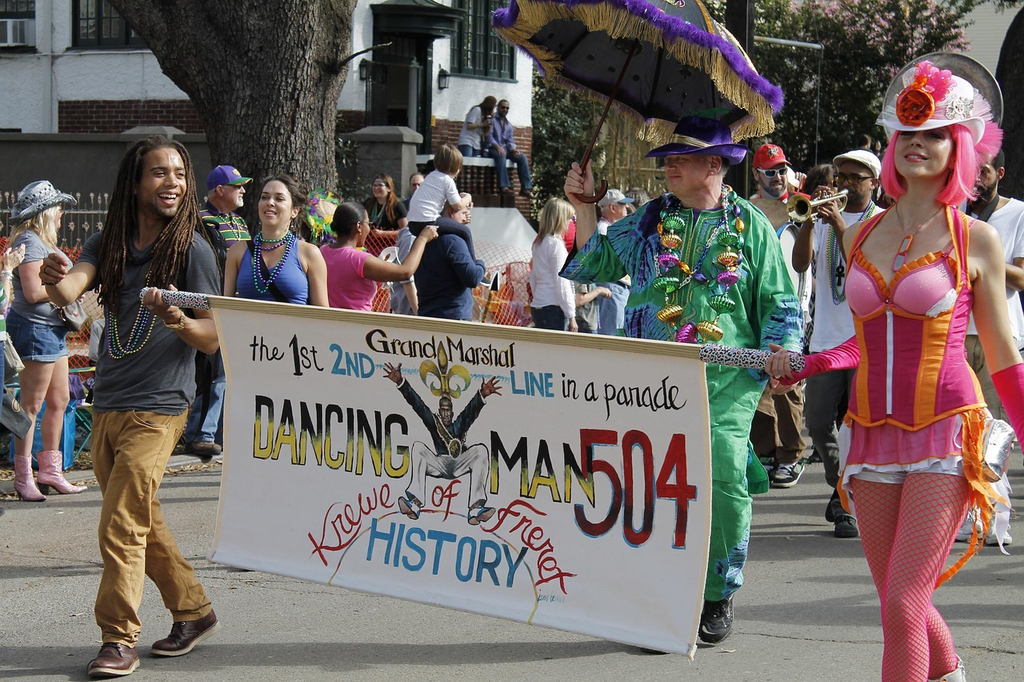
Mardi Gras, also known as "Fat Tuesday," is a festive celebration marking the last day before Lent, a period of fasting and reflection in the Christian calendar. It is characterized by lively parades, music, costumes, and indulgent feasting. The festivities allow people to enjoy rich foods and revelry before the solemn, 40-day observance of Lent begins on Ash Wednesday, leading up to Easter.
Mardi Gras and Lent
Mardi Gras, also known as "Fat Tuesday," is a festive celebration marking the last day before Lent, a period of fasting and reflection in the Christian calendar. It is characterized by lively parades, music, costumes, and indulgent feasting. The festivities allow people to enjoy rich foods and revelry before the solemn, 40-day observance of Lent begins on Ash Wednesday, leading up to Easter.

💡 Key Takeaways
- Understand how Mardi Gras marks the pre-Lent season and leads into Lent.
- Identify key Mardi Gras traditions (parades, masks, King Cake) and the main Lent practices (fasting and abstinence).
- Learn the meanings of Mardi Gras colors and symbols (purple, green, gold) and their significance.
- Explore how Mardi Gras and Lent are celebrated in different regions and how local culture shapes the festivities.
❓ Frequently Asked Questions
What is Mardi Gras?
Mardi Gras, or Fat Tuesday, marks the last day of Carnival before Lent, typically celebrated with feasts, parades, and festive traditions before the fasting period begins.
How are Mardi Gras and Lent connected?
Mardi Gras is the pre-Lent feast day that leads into Ash Wednesday and the 40-day period of Lent, when many Christians fast or give up certain luxuries.
What is Lent?
Lent is a 40-day period of preparation for Easter observed by many Christians, involving fasting, prayer, and acts of almsgiving (Sundays are sometimes counted differently). It begins on Ash Wednesday.
What are common Lent and Mardi Gras traditions?
Mardi Gras traditions include parades, masks, and King Cake; Lent commonly involves fasting or abstaining from certain foods, plus increased prayer and charitable giving, and Ash Wednesday marks the start.