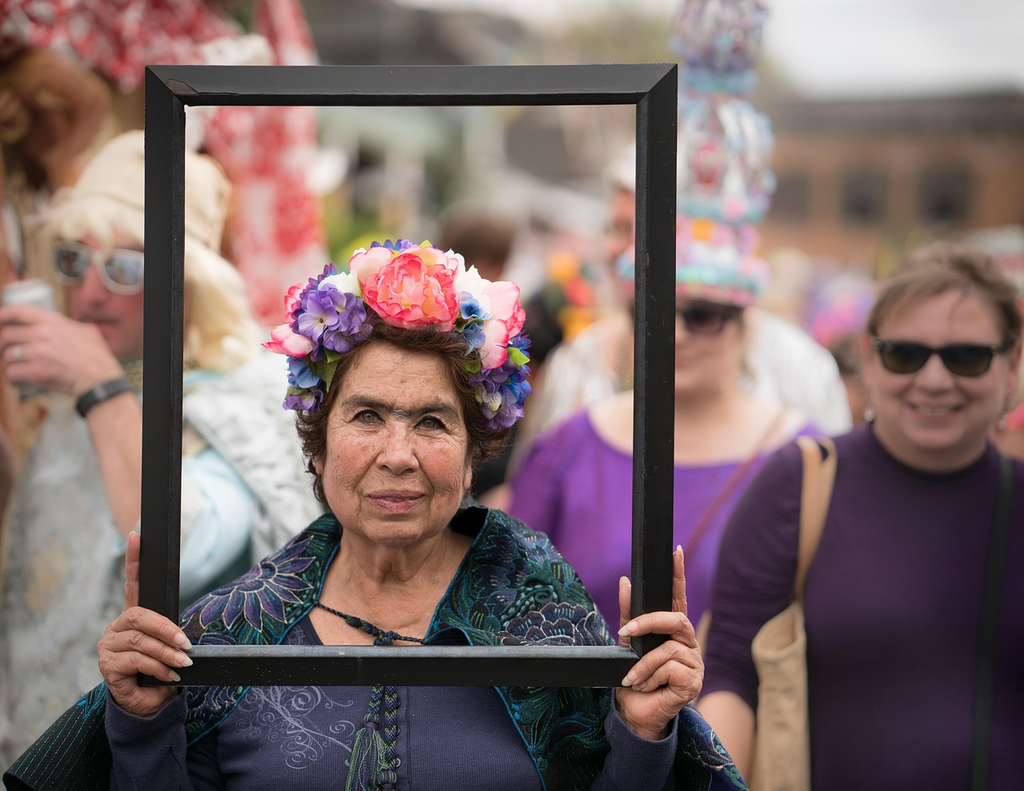
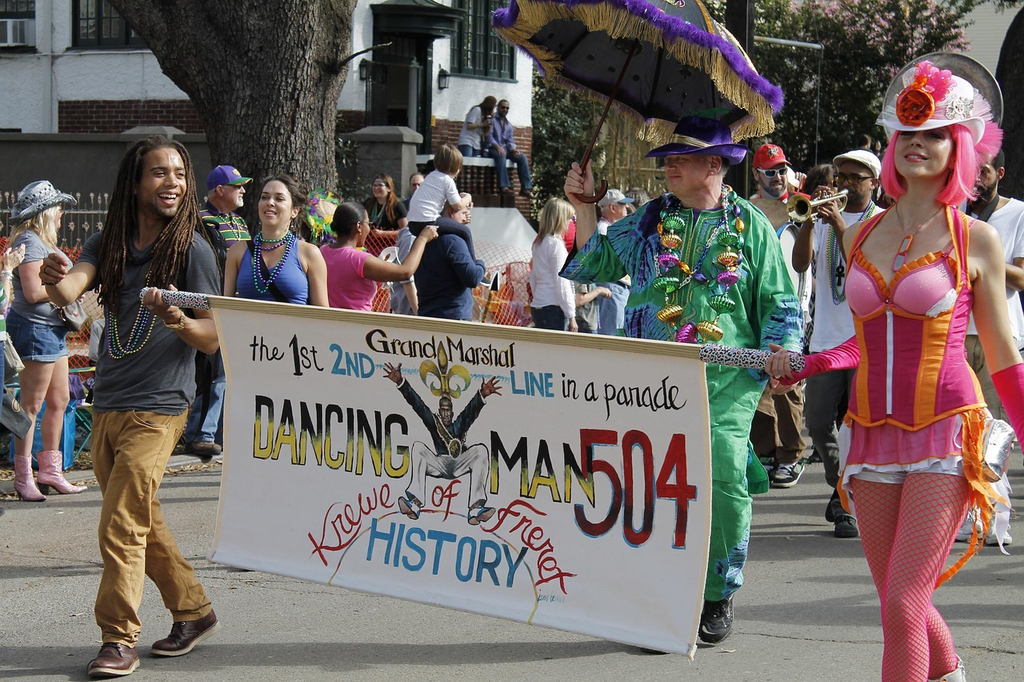
Mardi Gras, traditionally a festive celebration marked by parades and revelry, has increasingly become intertwined with social justice movements. Activists and marginalized communities use the event’s visibility to highlight issues such as racial equality, LGBTQ+ rights, and economic justice. Through themed floats, costumes, and public demonstrations, Mardi Gras serves not only as a cultural celebration but also as a platform for advocating inclusivity, challenging discrimination, and promoting social change within society.
Mardi Gras and Social Justice
Mardi Gras, traditionally a festive celebration marked by parades and revelry, has increasingly become intertwined with social justice movements. Activists and marginalized communities use the event’s visibility to highlight issues such as racial equality, LGBTQ+ rights, and economic justice. Through themed floats, costumes, and public demonstrations, Mardi Gras serves not only as a cultural celebration but also as a platform for advocating inclusivity, challenging discrimination, and promoting social change within society.
💡 Key Takeaways
- Understand the historical roots of Mardi Gras and its connections to race, class, and power.
- See how Mardi Gras krewes and parades have evolved toward greater inclusion and representation.
- Explore the social issues surrounding Mardi Gras, including representation, policing, tourism, and cultural preservation.
- Learn how modern Mardi Gras efforts promote equity, community safety, and responsible celebration.
❓ Frequently Asked Questions
What is Mardi Gras and how is it connected to social justice?
Mardi Gras is a pre-Lenten carnival with parades, beads, and masquerade. Its social justice connection comes from examining how race, inclusion, cultural heritage, and community advocacy shape and are shaped by the celebrations.
How has Mardi Gras history intersected with race and inclusion in New Orleans?
Mardi Gras has deep ties to Black and Creole communities, with cultural contributions like Mardi Gras Indians. At times, groups faced exclusion, but today there is a stronger emphasis on representation, equity, and collaboration with marginalized communities.
What are Mardi Gras Indians and why are they significant to social justice?
Mardi Gras Indians are African American community groups known for their handmade, elaborate costumes and performances. They symbolize cultural resilience, community solidarity, and the ongoing assertion of African American heritage within Mardi Gras.
How can I participate in Mardi Gras in a way that supports social justice?
Attend inclusive events, support local and minority-owned vendors, avoid cultural appropriation, learn the local history, and consider volunteering or donating to community organizations connected to the celebrations.