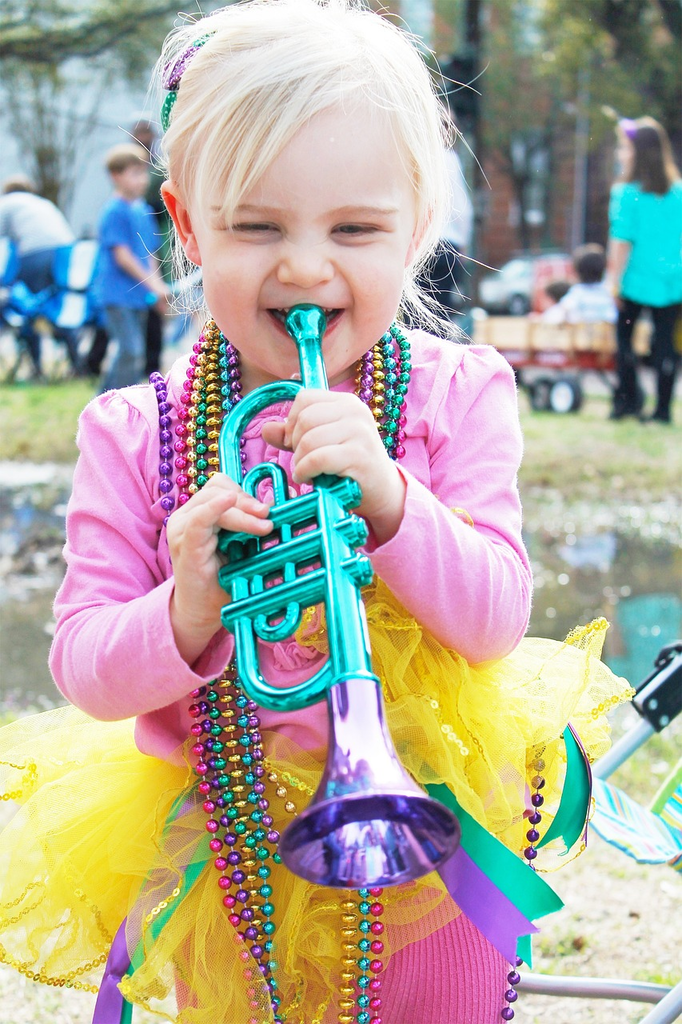
Mardi Gras beads are colorful, often plastic necklaces traditionally thrown from parade floats during Mardi Gras celebrations, especially in New Orleans. These beads come in vibrant colors like purple, green, and gold, symbolizing justice, faith, and power. Revelers eagerly catch and collect them as festive souvenirs. The tradition adds excitement and a sense of community to the festivities, making the beads iconic symbols of Mardi Gras revelry and celebration.
Mardi Gras Beads+50
Mardi Gras beads are colorful, often plastic necklaces traditionally thrown from parade floats during Mardi Gras celebrations, especially in New Orleans. These beads come in vibrant colors like purple, green, and gold, symbolizing justice, faith, and power. Revelers eagerly catch and collect them as festive souvenirs. The tradition adds excitement and a sense of community to the festivities, making the beads iconic symbols of Mardi Gras revelry and celebration.
💡 Key Takeaways
- Learn the cultural symbolism behind Mardi Gras beads and the meaning of their colors (purple, green, gold).
- Explore what beads are made from today and how they’re produced for parades.
- Know safety and etiquette tips for collecting beads at parades (where to stand, how to catch, and responsible disposal).
- Identify common bead designs and how they relate to Mardi Gras traditions.
❓ Frequently Asked Questions
What are Mardi Gras beads and why are they thrown?
Colorful plastic beads (often acrylic) that are tossed from parade floats to spectators as a festive tradition.
What do the colors purple, green, and gold represent on Mardi Gras beads?
Purple stands for justice, green for faith, and gold for power.
What is a 'throw' in a Mardi Gras parade?
An item tossed from a float to the crowd; beads are the most common type of throw.
Are Mardi Gras beads safe for kids and how should I handle them?
Generally safe when used as intended. Supervise children, avoid long strands around necks, and discard any damaged beads.
Can Mardi Gras beads be recycled or reused after the parade?
Yes—beads are often reusable for next year or donation. Recycling options vary by city, so check local guidelines.