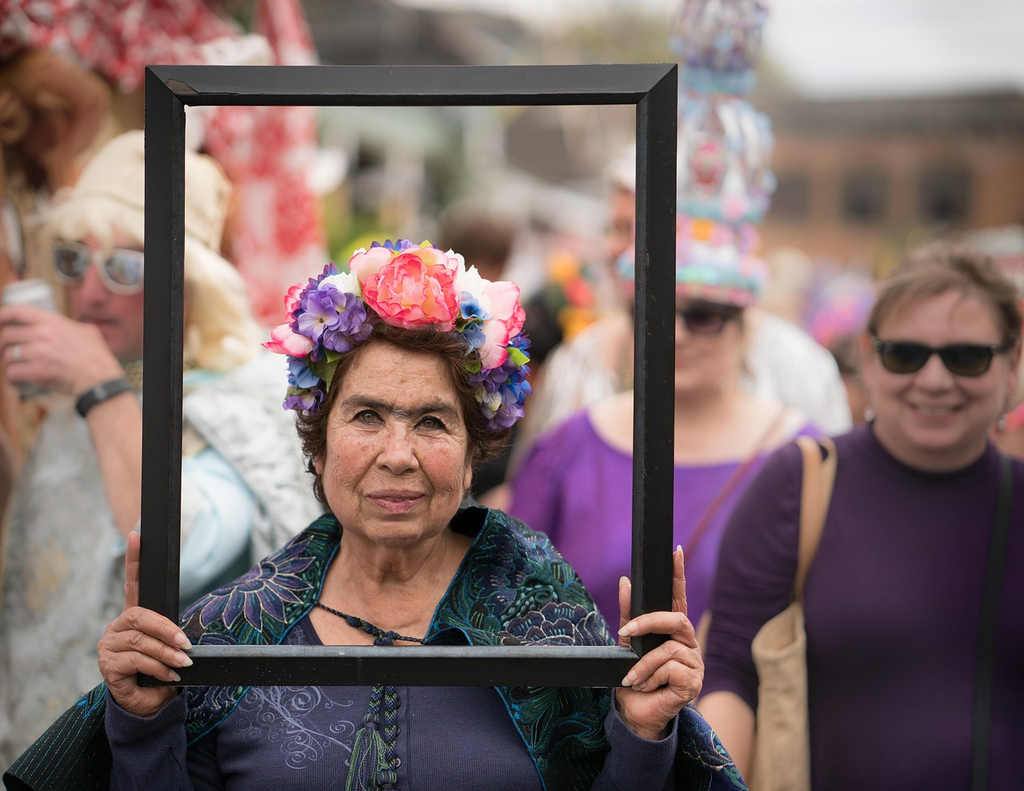
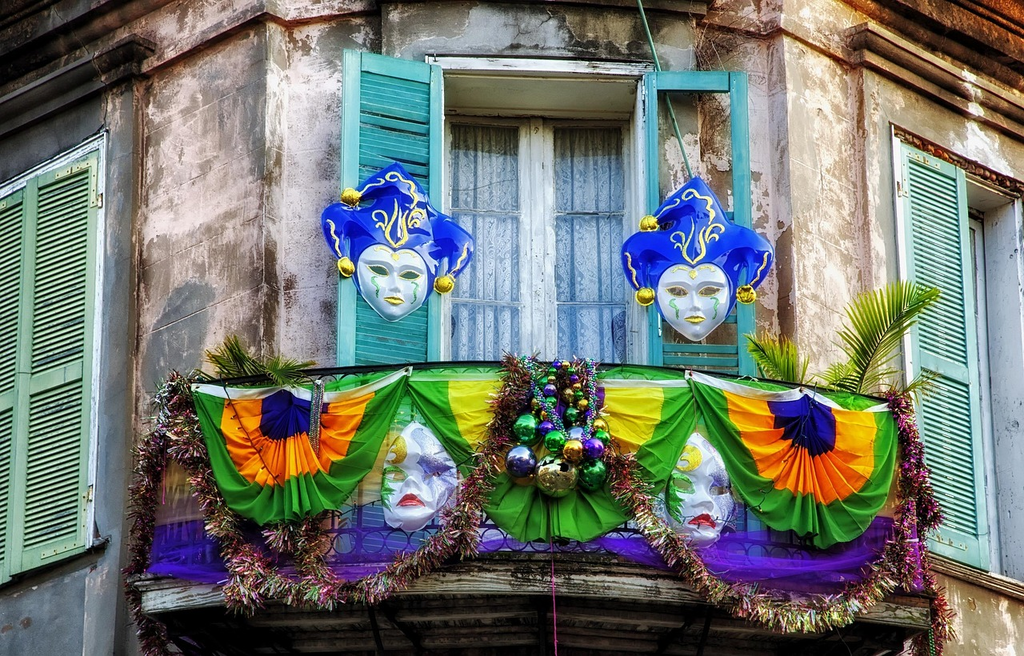
Mardi Gras Celebrations Worldwide refer to vibrant festivals held in various countries before Lent, marked by colorful parades, elaborate costumes, music, and dancing. Originating from European Catholic traditions, these festivities are especially famous in New Orleans, Brazil (as Carnival), and Venice. Participants enjoy masquerades, street parties, and traditional foods, embracing themes of indulgence and revelry before the solemn Lenten season, making Mardi Gras a globally recognized symbol of joy and cultural expression.
Mardi Gras Celebrations Worldwide
Mardi Gras Celebrations Worldwide refer to vibrant festivals held in various countries before Lent, marked by colorful parades, elaborate costumes, music, and dancing. Originating from European Catholic traditions, these festivities are especially famous in New Orleans, Brazil (as Carnival), and Venice. Participants enjoy masquerades, street parties, and traditional foods, embracing themes of indulgence and revelry before the solemn Lenten season, making Mardi Gras a globally recognized symbol of joy and cultural expression.
💡 Key Takeaways
- Explore the origins of Mardi Gras and how the celebration spread globally before Lent
- Compare how cities like New Orleans, Rio de Janeiro, Venice, Nice, and Quebec celebrate with parades, masks, costumes, and music
- Identify common Mardi Gras symbols and foods (colors purple, green, and gold; beads; king cake) and their meanings
- Understand how Mardi Gras dates, traditions, and celebrations influence tourism, culture, and local economies around the world
❓ Frequently Asked Questions
What is Mardi Gras and why is it celebrated?
Mardi Gras is a carnival season ending on Fat Tuesday before Lent, featuring feasting, parades, costumes, and festive traditions rooted in Catholic customs.
When does Mardi Gras occur and how is its date determined?
The date changes each year and falls on Fat Tuesday, the day before Ash Wednesday, signaling the start of Lent.
What are common Mardi Gras traditions in New Orleans?
Beads thrown from floats, grand parades organized by krewe groups, masquerade balls, and King Cake are iconic elements.
Name a famous Mardi Gras celebration outside the United States and a key feature.
Rio de Janeiro Carnival (Brazil) features spectacular samba parades with elaborate floats and competing samba schools in the Sambódromo.