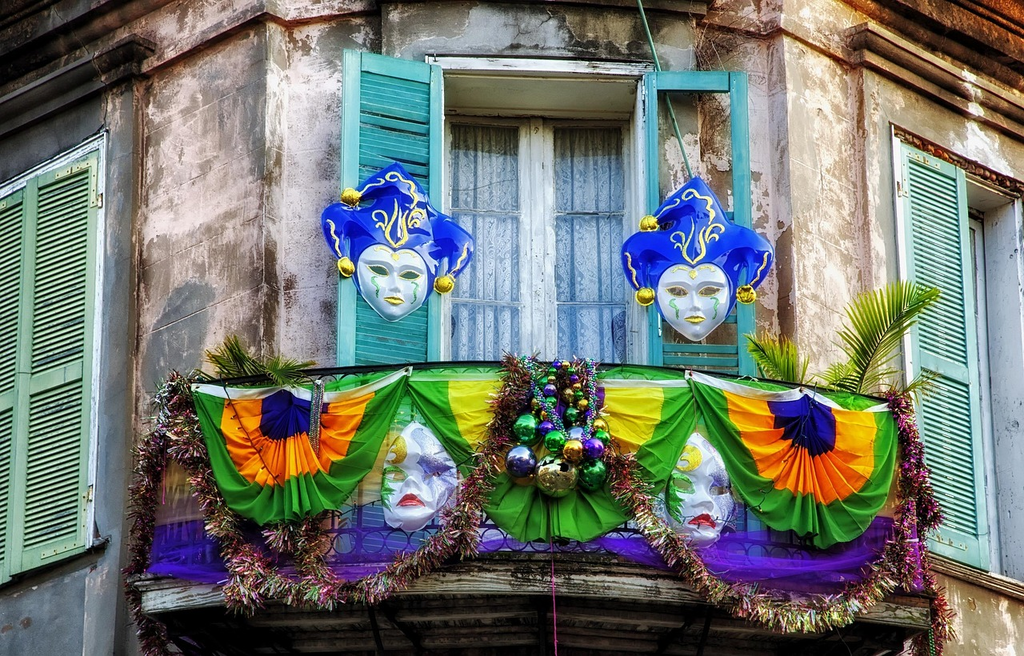
Mardi Gras colors—purple, green, and gold—are iconic symbols of the festive celebration held annually in New Orleans and other locations. Each color carries specific meaning: purple represents justice, green symbolizes faith, and gold stands for power. These vibrant hues are seen in decorations, costumes, beads, and parade floats, creating a lively and unified visual identity that embodies the spirited traditions and communal joy of Mardi Gras festivities.
Mardi Gras Colors+50
Mardi Gras colors—purple, green, and gold—are iconic symbols of the festive celebration held annually in New Orleans and other locations. Each color carries specific meaning: purple represents justice, green symbolizes faith, and gold stands for power. These vibrant hues are seen in decorations, costumes, beads, and parade floats, creating a lively and unified visual identity that embodies the spirited traditions and communal joy of Mardi Gras festivities.
💡 Key Takeaways
- Identify the traditional Mardi Gras colors purple, green, and gold and what each color symbolizes: justice, faith, and power.
- Understand the origins of these colors in Mardi Gras history and their link to the Rex parade.
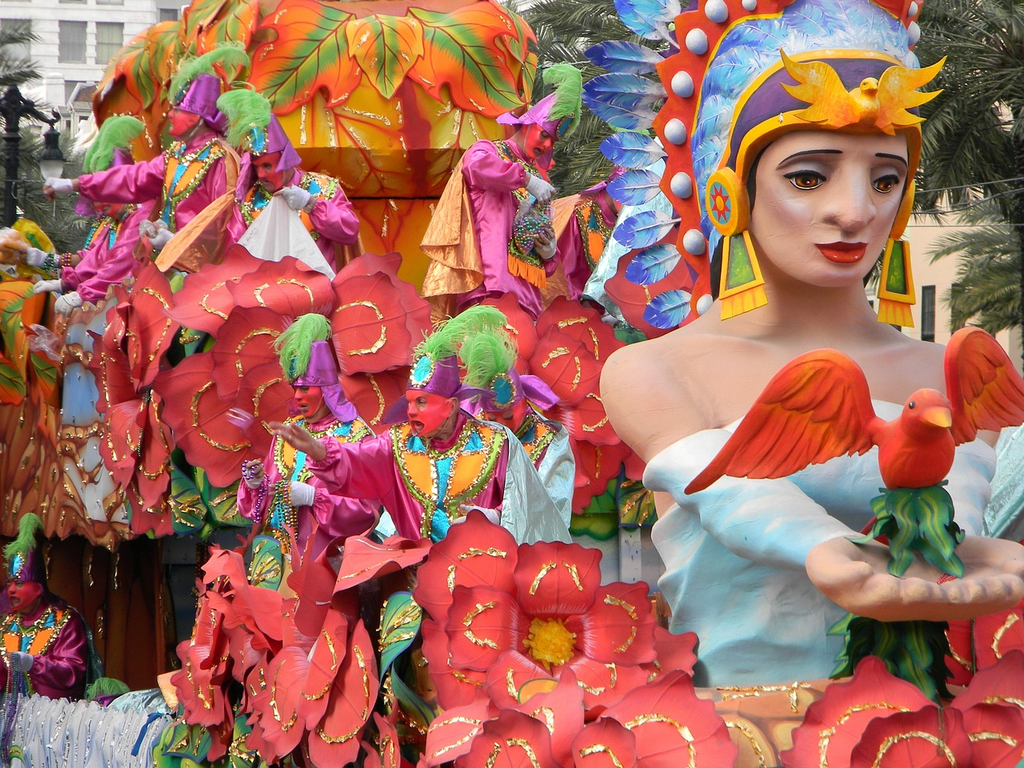
- Recognize how the colors appear in common Mardi Gras items such as beads, masks, costumes, and decorations.
- Apply knowledge of color symbolism to interpret Mardi Gras visuals and quiz content.
❓ Frequently Asked Questions
What are the traditional Mardi Gras colors?
Purple, green, and gold are the classic Mardi Gras colors.
What does each color symbolize?
Purple represents justice, green stands for faith, and gold symbolizes power.
When did these colors become associated with Mardi Gras and who chose them?
They were adopted in the late 19th century by the Rex parade in New Orleans to symbolize justice, faith, and power and to honor visiting royalty.
How are Mardi Gras colors used in celebrations?
They appear in decorations, costumes, beads, floats, and festive accessories.