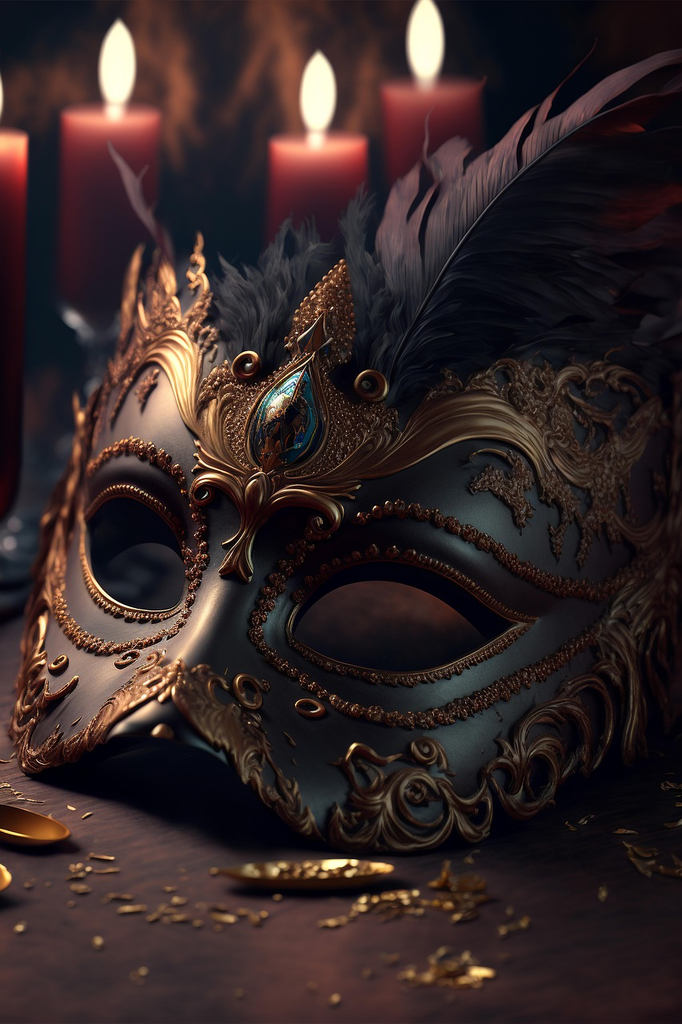
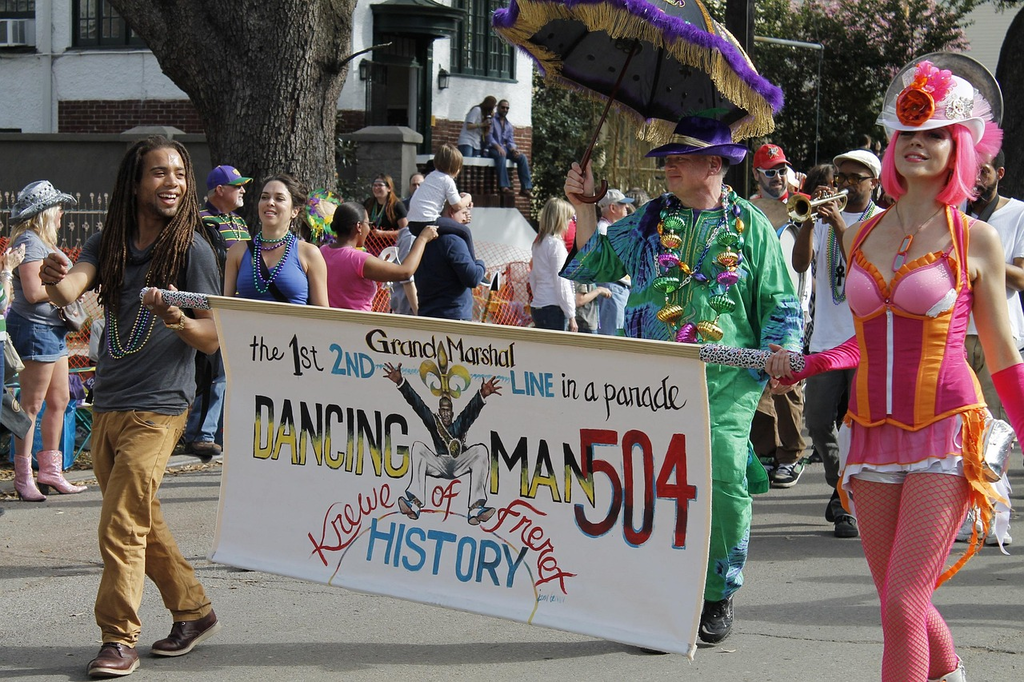
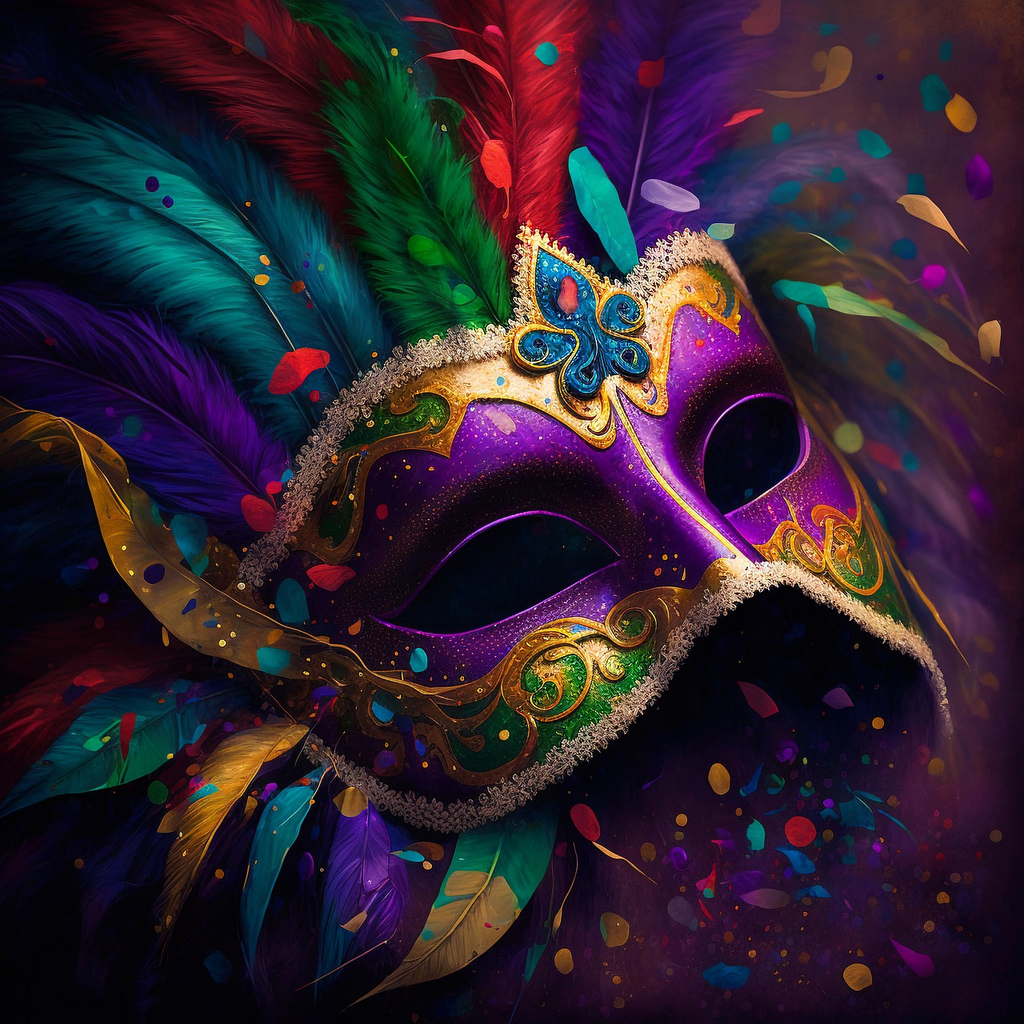
Mardi Gras in Brazil, known locally as "Carnaval," is a vibrant and exuberant festival celebrated with parades, samba music, elaborate costumes, and street parties. Taking place before Lent, it is one of the world’s largest and most famous festivals, especially in cities like Rio de Janeiro and Salvador. The event brings together millions of people to revel in dance, music, and colorful displays, reflecting Brazil’s rich cultural heritage and joyful spirit.
Mardi Gras in Brazil
Mardi Gras in Brazil, known locally as "Carnaval," is a vibrant and exuberant festival celebrated with parades, samba music, elaborate costumes, and street parties. Taking place before Lent, it is one of the world’s largest and most famous festivals, especially in cities like Rio de Janeiro and Salvador. The event brings together millions of people to revel in dance, music, and colorful displays, reflecting Brazil’s rich cultural heritage and joyful spirit.
💡 Key Takeaways
- Understand how Brazilian Carnival (Mardi Gras) is celebrated with samba parades, blocos, and colorful costumes.
- Learn the cultural roots of Brazilian Carnival (African, Portuguese, Indigenous influences) and its pre-Lenten link.
- Identify how Brazilian Carnival differs from other Mardi Gras celebrations (samba schools, large street parades, regional variations).
- Recognize key elements and activities: samba music/dance, floats, costumes, and community celebrations.
❓ Frequently Asked Questions
What is Mardi Gras in Brazil commonly called?
Carnaval—the Brazilian festival before Lent with samba parades, street parties, and colorful costumes.
When does Carnaval usually take place?
In the weeks before Ash Wednesday (Lent), typically February or March, with peak parades over the weekend before Lent.
What are samba schools and baterias?
Samba schools are community groups that design and perform elaborate parades; baterias are the percussion sections that drive the samba rhythm.
What are common Carnaval activities?
Street parties (blocos), grand samba parades, vibrant costumes, dancing, and festive foods and drinks.